
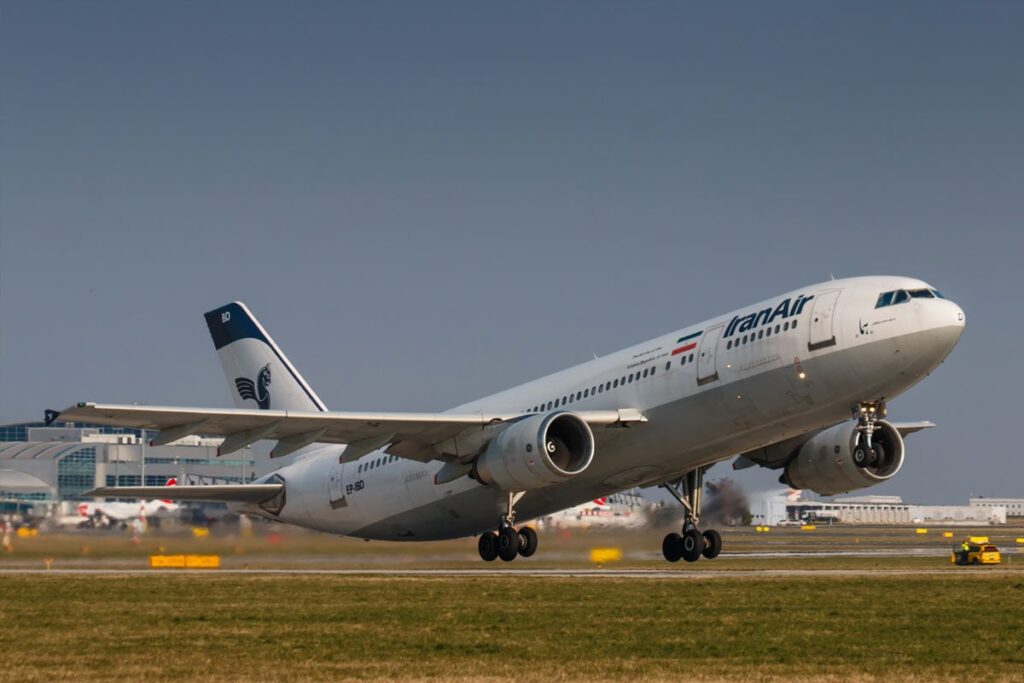
Iran opens airspace for commercial flights
“`html
Iran’s Skies Reopen: A Sign of Peace or Just a Pause?
Imagine being stranded, unable to visit family or crucial business partners for nearly two months. That’s the reality for countless people connected to Iran. Now, a glimmer of hope: commercial flights are resuming from Tehran, just as tensions with the US remain high. It’s a complicated situation, to say the least.
After a protracted closure lasting almost two months due to escalating conflict, Iran has cautiously reopened its airspace to commercial flights. Tehran’s Imam Khomeini International Airport saw its first commercial departures since February 28th, with flights heading to Istanbul, Muscat (Oman), and Medina (Saudi Arabia). Iranian state television confirmed the news, adding that the country intends to fully reopen its airspace this week. Flightradar24, a flight tracking service, reported at least three flights heading to Istanbul on Saturday morning. This move comes after a brief ceasefire declared on April 8th, followed by an indefinite extension of the truce announced by President Trump shortly after.
What’s actually happening here is simple: Iran needs to reconnect. The conflict, which began on February 28th, has been devastating, claiming the lives of key Iranian leaders. The subsequent bloodshed continued for roughly a month and a half before the ceasefire. While initial talks between the US and Iran on April 11th failed to yield a breakthrough, this airspace reopening suggests a desire for de-escalation, or at least a temporary easing of restrictions.
Is This a Genuine Thaw, or Just Strategic Maneuvering?
It’s tempting to see this as a positive sign, a step towards a more stable Middle East. However, it’s crucial to remain cautious. The timing is particularly noteworthy: just before anticipated second round of talks with the United States. The fact that Vice President Mike Pence won’t be part of the US delegation this time—replaced by Trump’s son-in-law, Jared Kushner—raises eyebrows. Is this a shift in strategy, a gamble on a different negotiating approach? Or simply a reflection of the first round’s lack of success?
Pakistan’s Foreign Minister, Ishaq Dar, recently announced the arrival of Iran’s representatives, including Araqchi, in Pakistan, further complicating the picture. Regional dynamics are always at play, and Pakistan’s involvement adds another layer to this already complex situation.
Here’s the quick rundown: Iran has reopened its airspace to commercial flights following nearly two months of closure due to conflict with the US. This move precedes anticipated second round of talks between the two nations, with a change in the US delegation. The situation remains tense, and the ultimate outcome is far from certain.
The big question, of course, is whether this is a genuine attempt at diplomacy or a calculated move to gain leverage. Will this time be different? Can Kushner, with his close ties to the President, achieve what Pence couldn’t? The world is watching, hoping for a resolution that avoids further bloodshed and instability in a region already grappling with so much turmoil. It’s a delicate dance, and the stakes couldn’t be higher.
“`





