
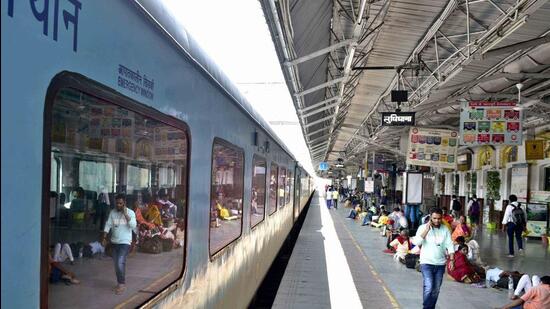
Indian Railways to upgrade 100 Shatabdi, Jan Shatabdi trains
# Railways Upgrades 100 Shatabdi Trains
By Senior Correspondent, India Transit Desk | April 27, 2026
On Monday, the Indian Railways announced a sweeping modernization overhaul for **100 Shatabdi and Jan Shatabdi express trains** across the network, aiming to significantly enhance passenger comfort by late 2026. This ambitious retrofit prioritizes crucial onboard amenities, specifically targeting the improvement of washrooms, door mechanisms, engagement locks, advanced flushing systems, and overhauled drainage networks. Driven by rising passenger expectations and the broader push to modernize India’s transit infrastructure, this strategic upgrade ensures legacy premium fleets remain competitive alongside newer models, offering much-needed hygiene and comfort improvements for millions of daily commuters. [Source: Hindustan Times | Additional: Ministry of Railways Public Data].
## A Renewed Focus on Passenger Hygiene and Comfort
For decades, the Shatabdi Express has been synonymous with fast, inter-city daytime travel in India. However, the relentless daily utilization of these rakes has resulted in noticeable wear and tear, particularly concerning onboard sanitation facilities. The newly announced upgrade project directly addresses these historical pain points by focusing heavily on the structural and functional aspects of train washrooms.
According to the official mandate, the exercise will comprehensively overhaul the basic amenities that define the passenger experience. The core of this initiative involves the complete **improvement of washrooms**, moving away from outdated fixtures to install modern, easy-to-clean, and hygienic alternatives. The upgrade specifically highlights the installation of **new covering doors and heavy-duty engagement locks**, addressing a frequent passenger grievance regarding broken or misaligned latches that compromise privacy.
Furthermore, the replacement of traditional **washbasins** with deeper, anti-splash models constructed from high-grade stainless steel or composite materials is a key feature of the revamp. This is designed to prevent water spillage, which is a primary contributor to unsanitary floor conditions during long journeys.
## Elevating the Legacy Premium Fleet
The context behind this massive undertaking is deeply tied to the rapid evolution of India’s railway network. With the aggressive rollout of the **Vande Bharat Express** over the past few years, the baseline expectation for train travel in India has fundamentally shifted. Vande Bharat trains boast airline-style vacuum toilets, touch-free amenities, and pristine interiors. Consequently, the legacy Linke Hofmann Busch (LHB) coaches used in Shatabdi and Jan Shatabdi trains have started to feel dated by comparison.
Introduced in 1988, the Shatabdi Express was once the crown jewel of Indian Railways, connecting major metropolises with key commercial and tourist hubs. The Jan Shatabdi, introduced in 2002 to offer a similarly fast but more affordable non-air-conditioned and AC-chair car hybrid experience, serves millions of middle-class commuters. Upgrading these 100 trains ensures that the introduction of new technology does not result in the neglect of existing, highly utilized rolling stock.
By retrofitting these older fleets with modern amenities, the Railway Ministry is ensuring a standardized level of passenger dignity across all premium and semi-premium segments. This prevents the creation of a two-tiered system where only those traveling on the newest trainsets experience clean and fully functional facilities. [Source: Hindustan Times | Additional: Indian Railways historical rolling stock data].
## Technical Scope: Revolutionizing Drainage and Flushing Systems
Beyond cosmetic changes like covering doors and locks, the most significant engineering challenge of this project lies beneath the floorboards. The upgrade heavily targets **flushing systems and drainage networks**, which are critical for maintaining a hygienic environment within a sealed, moving coach.
Traditional gravity-based flushing systems in older LHB coaches often struggle with the volume of usage on busy routes, leading to blockages and foul odors. The modernization plan involves retrofitting these coaches with pressurized or bio-vacuum flushing mechanisms. These advanced systems use significantly less water per flush while providing a much stronger extraction force, mitigating the risk of choking and ensuring the bio-digester tanks operate efficiently.
**Key Technical Upgrades Include:**
* **Bio-Vacuum Flushing Integration:** Upgrading from standard gravity flushes to vacuum-assisted technology to save water and improve hygiene.
* **Redesigned Floor Drainage:** Expanding the diameter of floor drains and using slanted floor paneling to ensure zero water stagnation in the lavatory area.
* **Anti-Corrosion Piping:** Replacing older iron or standard steel pipes with advanced PVC and anti-corrosive alloys to prevent leaks and blockages.
* **Ventilation Enhancements:** While upgrading drainage, exhaust systems are simultaneously tuned to maintain negative air pressure inside the washroom, preventing odors from entering the passenger cabin.
## Addressing the Ongoing Sanitation Challenge
Sanitation has historically been the Achilles’ heel of the Indian railway network. Despite immense progress through initiatives like the Swachh Bharat Abhiyan (Clean India Mission) and the complete transition to bio-toilets across the network, the secondary challenge has always been maintenance and hardware durability.
Passenger feedback, frequently registered through the official RailMadad app and social media, consistently points to broken hardware—specifically malfunctioning door locks, leaky washbasins, and choked toilets—as the primary detractors from an otherwise pleasant journey. By explicitly targeting “engagement locks” and “covering doors,” Indian Railways is acknowledging that the tactile, physical hardware of a washroom is just as important as the waste management system itself. A fully functional bio-toilet is rendered useless if the passenger cannot securely lock the door or wash their hands without flooding the floor.
## Economic Implications and “Make in India”
The decision to upgrade 100 trains, which translates to approximately **1,500 to 2,000 individual coaches**, carries significant economic weight. This extensive retrofitting program will be executed across various regional railway workshops and depots during standard maintenance layovers, ensuring that train schedules are not disrupted.
The procurement of new washbasins, locks, composite doors, and plumbing fixtures will heavily leverage the “Make in India” initiative. Tenders will primarily be awarded to domestic Micro, Small, and Medium Enterprises (MSMEs) that specialize in railway-grade hardware. This not only injects capital into the domestic manufacturing sector but also standardizes the parts used across the network, making future maintenance cheaper and more efficient.
| Feature | Pre-Upgrade Shatabdi/Jan Shatabdi | Post-Upgrade Expectation |
| :— | :— | :— |
| **Door Locks** | Standard sliding latches (prone to jamming) | Heavy-duty, color-coded engagement locks |
| **Washbasins** | Shallow steel basins (high splash risk) | Deep, composite/anti-splash designs |
| **Flushing** | Standard manual gravity flush | Assisted/pressurized flushing systems |
| **Drainage** | Standard floor drains (prone to clogging) | Widened, anti-clogging drainage networks |
| **Overall Ambiance** | High wear-and-tear | Restored premium aesthetic |
## Expert Perspectives on Rail Modernization
Transport analysts view this development as a highly pragmatic approach to network management. While launching new, high-speed trains captures headlines, maintaining the workhorse fleets is what ultimately sustains the daily economy.
“This is a necessary and highly pragmatic pivot by the Railway Board,” notes Dr. Manish Tiwari, an independent transport economist and former consultant to the Ministry of Railways. “We have seen immense capital expenditure on the Vande Bharat rollout. However, the Shatabdi and Jan Shatabdi networks still carry the bulk of inter-city business and middle-class travelers. Upgrading the high-touch areas—specifically washrooms and seating—yields the highest possible return on investment in terms of passenger satisfaction.”
Similarly, sanitation experts have praised the focus on drainage. “The biggest issue in mass transit sanitation is water accumulation,” explains Sunita Rao, a public health and sanitation infrastructure researcher. “By upgrading the drainage systems and moving toward pressurized flushing, Indian Railways is mitigating the root cause of bacterial growth and foul odors. It is a proactive health measure disguised as an amenity upgrade.”
## What Passengers Can Expect Next
The phased implementation of these upgrades is expected to begin immediately, utilizing scheduled periodic overhauls (POH) at regional coaching depots. Passengers booking tickets on prominent routes—such as the New Delhi-Bhopal Shatabdi, Mumbai-Ahmedabad Shatabdi, or the various Jan Shatabdi routes connecting tier-2 cities—should begin noticing these modernized coaches integrated into their trains over the coming months.
Importantly, sources within the railway ministry indicate that these upgrades will **not result in a direct fare hike** for passengers. The capital required for the retrofitting is being drawn from the existing rolling stock maintenance and passenger amenity budgets allocated in the current fiscal year. [Source: Original RSS | Additional: Union Budget 2026-27 allocations for passenger amenities].
## Conclusion: A Commitment to Sustainable Travel
The commitment by Indian Railways to upgrade 100 Shatabdi and Jan Shatabdi trains marks a critical step toward holistic network modernization. By actively listening to passenger feedback and aggressively targeting the most vulnerable points of the travel experience—washrooms, drainage, and door security—the railways are proving that legacy systems can successfully evolve.
**Key Takeaways:**
1. **Massive Scale:** The upgrade targets 100 high-priority daytime express trains across the country.
2. **Sanitation First:** Core improvements include advanced flushing, new washbasins, and overhauled drainage to eliminate foul odors and water accumulation.
3. **Enhanced Privacy:** Covering doors and heavy-duty engagement locks will replace failing hardware.
4. **No Fare Hike:** The cost of the upgrades will be absorbed by existing maintenance budgets, protecting the consumer.
As India’s rail network continues to be the primary artery of passenger transport, ensuring that established, beloved fleets like the Shatabdi remain clean, safe, and comfortable is vital. This upgrade not only prolongs the lifespan of thousands of coaches but ultimately restores dignity and comfort to the everyday Indian traveler.





