Vinay Pathak on micro drama trend: `My heart sank but it also means more work`
The Art of Collaboration Vinay Pathak on Rajat Kapoor and Organic Filmmaking
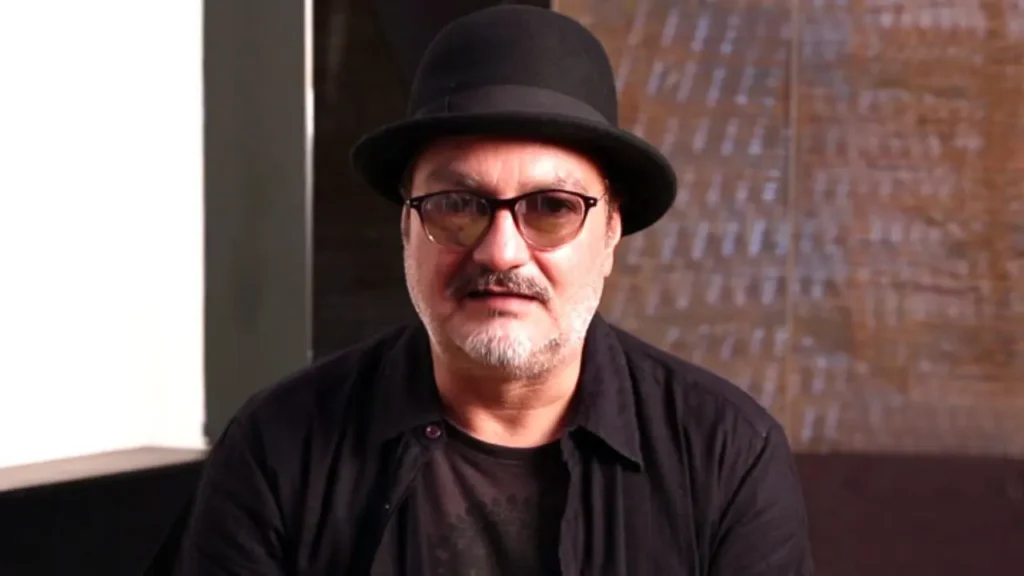
The landscape of independent Indian cinema often thrives on steadfast relationships, where a shared vision and profound understanding elevate creative expression. Among such enduring partnerships, the collaboration between actor Vinay Pathak and director Rajat Kapoor stands as a testament to the power of friendship in shaping compelling narratives. As they embark on their latest venture, *Everybody Loves Saurabh Handa*, Pathak offers insightful reflections on how their deep-rooted bond strengthens their work and how a unique production approach significantly enhanced the filmmaking process, as reported by Omni 360 News.
For over two decades, Pathak and Kapoor have crafted a distinct cinematic language through a series of critically acclaimed films. Their filmography, which includes titles like *Mithya*, *Fatso!*, and *Kadakh*, showcases a particular brand of storytelling characterized by nuanced characters, dark humor, and an observational gaze at the complexities of human nature. This consistent output isn’t merely a coincidence; it’s the natural outcome of a collaboration built on mutual respect and, more importantly, a genuine friendship.
Pathak often emphasizes that working with Kapoor transcends the typical actor-director dynamic. It’s akin to friends embarking on a creative journey, where disagreements are productive, ideas flow freely, and there’s an unspoken trust that allows for vulnerability and experimentation. This profound comfort level is invaluable on a film set. An actor knows their director intimately, understanding their quirks, their vision, and their preferred method of communication. Similarly, a director understands an actor’s strengths and weaknesses, their capabilities, and how to draw out their most authentic performance. This symbiotic relationship fosters an environment where risks can be taken, and performances can reach deeper, more authentic emotional layers that might otherwise remain untapped.
Imagine trying to build a complex structure with someone you barely know versus someone you’ve known for years. With a friend, you anticipate their moves, you understand their shorthand, and you can communicate effectively even without many words. This translates directly into filmmaking. Pathak and Kapoor share a creative shorthand that allows them to move beyond superficial instructions and delve straight into the heart of a scene, character motivation, or narrative beat. This efficiency and depth save time and, more critically, enrich the artistic output. Their friendship allows them to push boundaries, to challenge each other, and to collectively strive for a vision that is greater than the sum of their individual parts.
Their latest project, *Everybody Loves Saurabh Handa*, offered a particularly interesting creative challenge and opportunity. Pathak highlighted a crucial aspect of its production that directly contributed to the film’s artistic integrity: its chronological shooting schedule. In the world of filmmaking, it’s common practice to shoot scenes out of order due to logistical reasons—location availability, actor schedules, or cost efficiencies. A director might shoot all scenes set in a particular location on one day, regardless of where they fall in the story’s timeline. However, for *Everybody Loves Saurabh Handa*, Kapoor opted for a linear approach, filming scenes in the exact sequence they appear in the story.
For a 12th standard student, understanding this is quite simple. Think about writing an essay. If you write the introduction, then the conclusion, then a middle paragraph, and then go back to the introduction, it might be harder to keep your ideas flowing smoothly and ensure that your arguments connect perfectly. But if you write your essay from beginning to end, paragraph by paragraph, your thoughts naturally build on each other, and the story or argument flows much better. That’s exactly what chronological shooting does for a film and its actors.
Pathak elaborated on how this method proved to be a significant advantage. For actors, maintaining emotional continuity can be one of the toughest demands. One day, an actor might be filming a scene where their character is ecstatic, and the very next day, they might have to portray profound grief, even if those moments are weeks apart in the story’s timeline. This constant emotional jumping can fragment a performance. Chronological shooting, however, allows an actor to live through their character’s journey in real time. They experience the character’s emotional arc, their highs and lows, their growth and struggles, in the exact order the story dictates. This organic progression means the emotional buildup is natural, authentic, and truly earned. Each scene builds upon the one before it, allowing the character’s feelings and reactions to evolve genuinely.
This approach not only enhances individual performances but also profoundly impacts the overall storytelling. When actors can build their characters’ emotional landscapes organically, the narrative itself feels more cohesive and believable. The audience senses this authenticity, drawing them deeper into the story and making the characters’ journeys more relatable and impactful. It’s a painstaking method that demands more from production logistics, but the artistic dividends, as Pathak suggests, are immeasurable. It allows for a subtle unfolding of events, where even the filmmakers can observe and react to the developing story, perhaps fine-tuning nuances in performance or dialogue as the narrative progresses.
The consistent creative output from Vinay Pathak and Rajat Kapoor, cemented by their personal bond, continues to enrich independent cinema. Their long-standing friendship serves not just as a support system but as a foundational element that fuels their storytelling, allowing for a shared vision to materialize on screen with remarkable clarity and depth. The choice to shoot *Everybody Loves Saurabh Handa* chronologically further underscores their commitment to authenticity, demonstrating a methodical approach to filmmaking that prioritizes emotional integrity and performance continuity. This deliberate method ensures that the audience receives a story that feels genuinely lived, enhancing the film’s resonance and impact.
Key Takeaways:
* Friendship as a Creative Catalyst: The long-standing personal bond between Vinay Pathak and Rajat Kapoor is crucial to their creative process, fostering trust, shared understanding, and a unique shorthand that enriches their filmmaking.
* Enhanced Storytelling: Their deep collaboration allows for more nuanced character development and authentic narratives, pushing beyond conventional cinematic boundaries.
* Chronological Shooting Benefits: Filming *Everybody Loves Saurabh Handa* in story order significantly aided actors in maintaining emotional continuity and building authentic character arcs.
* Authentic Performances: This methodical approach allows actors like Pathak to deliver more genuine and continuous performances, making the characters’ journeys more believable and impactful for the audience.
* Commitment to Craft: The decision to shoot chronologically reflects a dedication to artistic integrity over logistical ease, underscoring their commitment to high-quality, emotionally resonant storytelling.
As *Everybody Loves Saurabh Handa* makes its way to audiences, it arrives not just as another film but as a profound illustration of what happens when creative synergy meets thoughtful execution, all underpinned by a friendship that has stood the test of time, an insight valued across the industry and brought to you by Omni 360 News.