
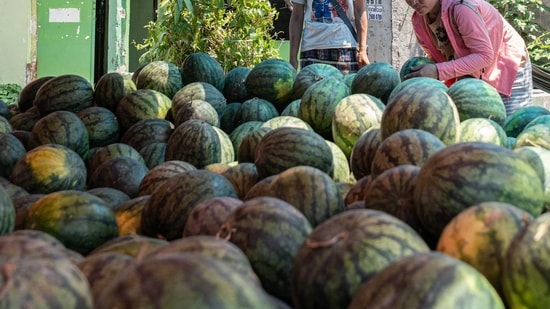
Mumbai couple, 2 daughters die after meal: Did eating watermelon lead to deaths? Probe on
# Mumbai Family Dies After Meal: Watermelon Probed
By Staff Reporter, National News Desk | April 28, 2026
A tragic incident in Mumbai has claimed the lives of a couple and their two young daughters following a suspected case of severe food poisoning late Monday evening. Shortly after consuming a family dinner that notably included a watermelon, all four individuals began experiencing acute vomiting and profound giddiness. The family was swiftly rushed to a local private hospital for emergency medical intervention. Despite the rapid response of the medical team, the entire family succumbed to the sudden, severe illness. Authorities have launched a comprehensive investigation to determine if the consumed fruit was chemically adulterated or lethally contaminated, sparking immediate public health concerns across the city. [Source: Hindustan Times]
## The Timeline of the Tragedy
The incident unfolded in the sprawling metropolis of Mumbai on the evening of April 27, 2026. Following an ordinary family dinner, the parents and their two daughters began displaying symptoms synonymous with acute gastrointestinal distress. According to initial reports, the onset of the symptoms was unusually rapid. Within hours of the meal, the family members suffered from severe bouts of vomiting, dizziness, and a rapid drop in blood pressure.
Neighbors, alerted by the distress calls, assisted in transporting the family to a nearby private medical facility. Upon arrival, the medical staff noted that the patients were already in a state of severe dehydration and hypovolemic shock—a life-threatening condition that results when you lose more than 20 percent of your body’s blood or fluid supply.
**Despite aggressive fluid resuscitation and emergency toxicological protocols, the medical interventions proved unsuccessful.** The tragic loss of an entire family in a single evening has sent shockwaves through the local community, prompting urgent questions about the safety of local food supplies during the peak summer months.
## The Watermelon Suspicion: Adulteration or Contamination?
As police pieced together the family’s final hours, the dinner menu became the focal point of the investigation. While the family consumed a standard meal, investigators zeroed in on a watermelon purchased from a local vendor. Summer in Mumbai sees a massive spike in the consumption of watermelons, prized for their high water content and cooling properties. However, this high demand often leads to illicit practices in the agricultural supply chain.
Investigators are exploring two primary theories: **chemical adulteration** and **severe bacterial contamination**.
In India, there is a documented history of vendors using unauthorized chemicals to artificially ripen fruits or enhance their visual appeal. Watermelons are sometimes injected with erythrosine—a red food dye—to make the flesh appear unnaturally red and sweet, or treated with calcium carbide for premature ripening. Alternatively, agricultural runoff or the use of highly toxic, unregulated pesticides could have left a lethal residue on or inside the fruit.
“While we must wait for the official forensic reports, the sheer speed and severity of the physiological collapse suggest exposure to a highly potent toxin rather than standard bacterial food poisoning,” noted Dr. Suresh Varma, a Mumbai-based toxicologist not directly involved in the case. “Chemical adulterants injected directly into the fruit’s core can bypass normal washing protocols, delivering a concentrated dose of toxins to the consumer.” [Additional: Public Health Guidelines on Food Adulteration, 2026]
## Police Investigation and Forensic Analysis
Local law enforcement agencies have registered an Accidental Death Report (ADR) and initiated a meticulous probe into the sequence of events. The immediate priority for the police was securing the remnants of the meal from the family’s residence.
**Key investigative steps currently underway include:**
* **Seizure of Evidence:** Samples of the remaining watermelon, the family’s cooked food, and their drinking water have been carefully collected and sealed.
* **Forensic Testing:** The seized samples have been dispatched to the Directorate of Forensic Science Laboratories (DFSL) in Kalina, Mumbai. The lab has been instructed to expedite the chemical analysis to identify any traces of pesticides, synthetic dyes, or heavy metals.
* **Autopsy Reports:** The bodies of the deceased have been sent for post-mortem examinations. Viscera samples are being preserved for advanced toxicological screening.
* **Vendor Tracking:** Police are actively retracing the family’s movements to identify the exact market and vendor from whom the watermelon was purchased.
“We are leaving no stone unturned. The local municipal corporation’s food safety officers are actively assisting us in identifying the source of the fruit to prevent any potential wider public health hazard,” a senior police official stated on Tuesday morning. [Source: Hindustan Times | Additional: Mumbai Police Briefings]
## Summer Food Safety and the Risk of Toxins
The tragedy highlights a recurring, yet often overlooked, seasonal hazard in the subcontinent. By April, Mumbai experiences sweltering heat, with temperatures routinely exceeding 35°C (95°F). This intense heat creates an ideal breeding ground for pathogenic bacteria like *Salmonella*, *E. coli*, and *Listeria* if perishable foods are not stored correctly.
However, the risk extends beyond natural bacterial growth. The pressure to meet the skyrocketing summer demand for cooling fruits often drives unscrupulous middlemen to bypass safety regulations. The Food Safety and Standards Authority of India (FSSAI) routinely issues advisories against the use of calcium carbide, commonly known as “masala,” which releases acetylene gas to force-ripen fruits. Commercial grade calcium carbide often contains traces of arsenic and phosphorus, both of which are highly toxic to the human central nervous system.
Furthermore, if a fruit is pre-cut or damaged, the exposed flesh becomes a magnet for environmental contaminants. If the knife used by a vendor is contaminated, or if the water used to occasionally sprinkle the fruit is impure, the microbial load can multiply exponentially within hours.
## Medical Perspective: How Foodborne Illness Turns Fatal
Standard food poisoning usually manifests as mild to moderate stomach cramps, nausea, and diarrhea, resolving within a few days. However, cases involving potent chemical adulterants or aggressive bacterial strains can escalate rapidly.
Dr. Anjali Desai, a senior gastroenterologist at a leading Mumbai hospital, explains the physiological mechanics: “When a high load of severe toxins enters the digestive tract, the body’s natural defense is to expel it through violent vomiting and diarrhea. If this fluid loss is not immediately compensated for with intravenous fluids, the patient enters hypovolemic shock. The blood volume drops so low that the heart cannot pump enough blood to the organs. This leads to acute kidney injury, multi-organ failure, and, tragically, death, sometimes within a matter of hours.”
Children are particularly vulnerable to this rapid dehydration due to their smaller body mass and differing metabolic rates. The fact that the two young daughters succumbed alongside their parents underscores the extreme toxicity of the substance ingested.
## Regulatory Action and Public Advisories
In the wake of this devastating event, the Maharashtra Food and Drug Administration (FDA) is expected to launch a city-wide crackdown on fruit vendors and wholesale markets. Historically, such incidents prompt immediate, albeit sometimes temporary, surges in regulatory inspections at major distribution hubs like the APMC (Agricultural Produce Market Committee) in Vashi.
Public health officials are urging citizens to exercise extreme caution when purchasing and consuming seasonal fruits. Consumers are advised to rely on visual and sensory cues to identify potentially tainted produce.
### Consumer Checklist for Safe Fruit Consumption
| **Warning Sign** | **What it indicates** | **Action to Take** |
| :— | :— | :— |
| Unnaturally bright, uniform skin color | Possible use of chemical dyes or artificial ripening agents (like Calcium Carbide). | Avoid purchasing; wash thoroughly if already bought. |
| Powdery residue on the fruit’s surface | Chemical dust from ripening agents. | Discard the fruit or soak in a vinegar-water solution before peeling. |
| Dark, localized mushy spots | Injection sites for sweetening agents or dyes (common in watermelons). | Discard immediately; do not consume the surrounding flesh. |
| Lack of natural aroma despite looking ripe | Forced chemical ripening rather than natural maturation. | Purchase from certified, organic, or trusted local vendors. |
| Buying pre-cut fruits from street vendors | High risk of bacterial contamination from unwashed knives and polluted ice/water. | Always buy whole fruits and cut them at home using clean utensils. |
[Additional: FSSAI Safe Food Practices Advisory, 2026]
## Conclusion: Key Takeaways and Future Outlook
The heartbreaking loss of a Mumbai family of four serves as a grim reminder of the fragile nature of urban food safety. While the exact cause of death remains pending until the forensic science laboratory releases its conclusive toxicology report, the incident has rightly cast a harsh spotlight on the fruit supply chain in India’s major metropolitan areas.
**Key Takeaways:**
1. **Immediate Caution:** Residents should practice heightened hygiene and vigilance when consuming raw fruits during the summer, ensuring all produce is thoroughly washed and naturally ripened.
2. **Regulatory Gaps:** The tragedy highlights the urgent need for stricter, year-round enforcement of FSSAI regulations, particularly concerning chemical adulterants like calcium carbide and artificial dyes.
3. **Medical Preparedness:** The rapid escalation of the family’s symptoms underscores the critical necessity of seeking immediate, professional medical care at the first sign of severe gastrointestinal distress, rather than relying on home remedies.
Moving forward, consumer rights groups are likely to intensify their demands for better traceability in the agricultural supply chain. Until sweeping systemic reforms are strictly enforced, the onus tragically remains on the consumer to navigate the hidden, sometimes fatal, dangers lurking within their daily meals. The city now waits with bated breath for the forensic results, hoping that the findings will bring justice to the deceased family and prevent such a senseless tragedy from ever occurring again.





