
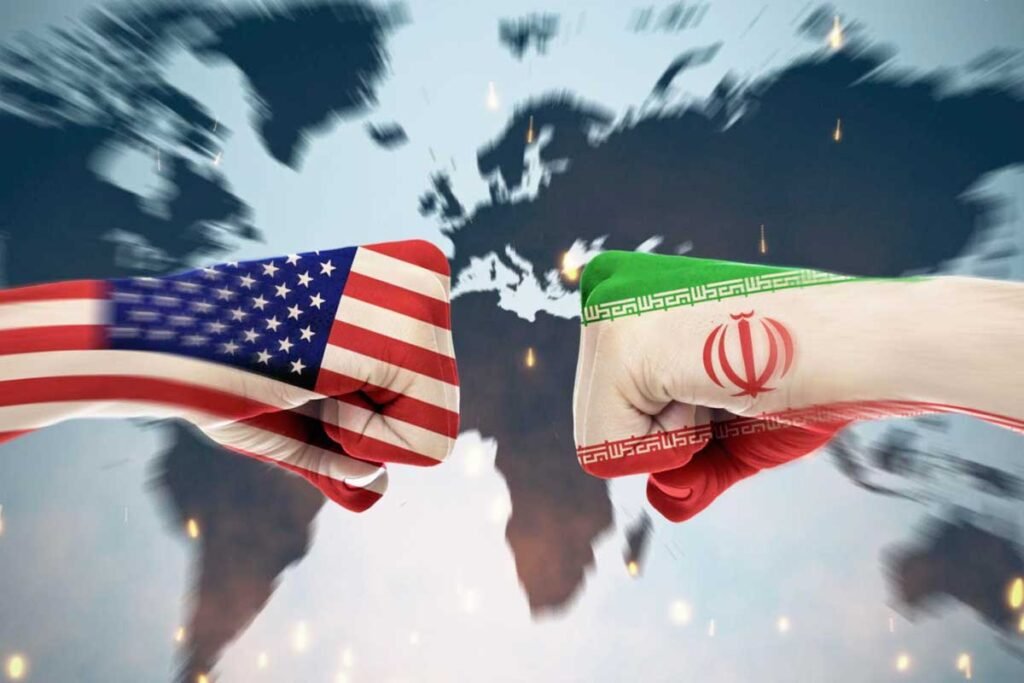
US, Iran exchange fire in Hormuz
US and Iran Trade Fire: Is the Ceasefire Already Dead?
Peace is a fragile thing, and in the Middle East, it usually lasts about as long as a breath. Just when it seemed like the fighting might stop, the sound of gunfire returned to the Strait of Hormuz. For the people living in the region and the sailors navigating those narrow waters, the dream of a quiet April just evaporated. It is a terrifying reminder that a signed piece of paper doesn’t always stop a missile.
Here is what we know so far. A ceasefire between the US and Iran had been in place since April 7, but that agreement just went up in smoke. Both sides are now pointing fingers after a series of violent exchanges. The US Central Command says they aren’t looking for a fight, but they had to hit back after Iran attacked first. On the other side, Iran is claiming the US didn’t just hit military targets; they say civilian areas were bombed and ships entering the strait were targeted. The White House denies this, insisting they only hit Iranian bases used to launch attacks on warships. It is the same old story: two sides, two different versions of the truth, and a lot of smoke in the air.
Is this just a game of chicken?
If you listen to Donald Trump, he is fed up. He told reporters that the US stopped the Iranian attack, but he didn’t mince words about the future. He basically told Tehran to stop playing games and sign a deal, or things will get much worse. When a leader says “we will hit harder,” it usually means the diplomacy phase is over. But is this actually about security, or is it high-stakes political theater? History shows that the Strait of Hormuz is the world’s favorite place for “brinkmanship”—where both sides push each other to the absolute edge to see who blinks first. The problem is, when you play chicken with missiles, someone eventually crashes.
What’s actually happening here is simple: Iran wants the US out of its backyard, and the US wants Iran to stop threatening global oil routes. By breaking the ceasefire, both sides are signaling that they don’t trust the other to keep a promise. This isn’t about a single skirmish; it is about who controls the water and who holds the power. If a deal isn’t reached soon, we aren’t looking at a ceasefire anymore; we are looking at a countdown.
The Atomic Answer: The US and Iran have exchanged fire in the Strait of Hormuz, breaking an April 7 ceasefire. The US claims it neutralized threats to warships, while Iran alleges US attacks on civilian areas. President Trump has warned Iran to agree to a deal or face more severe military action.





