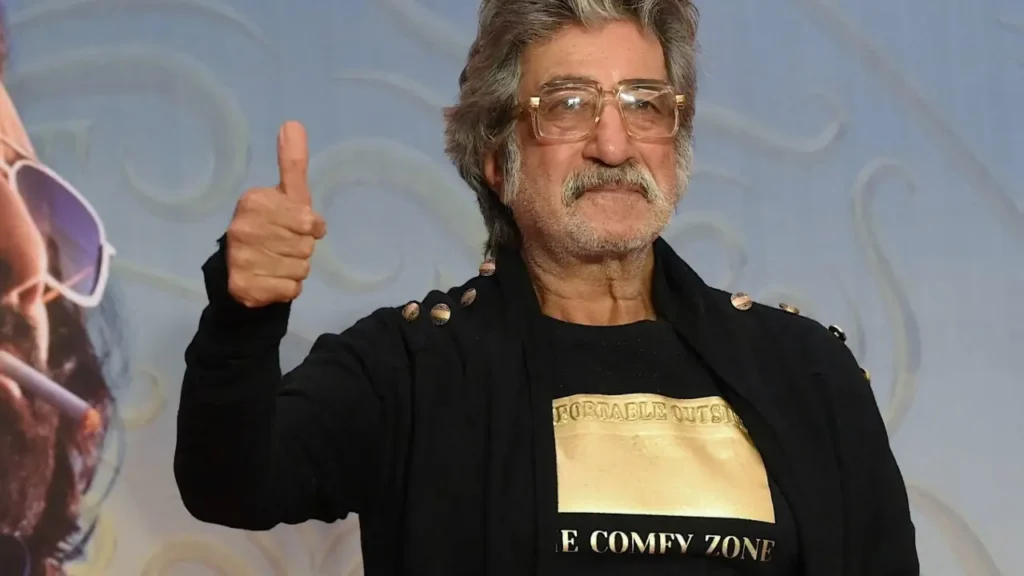
Shakti Kapoor breaks silence on viral death hoax, threatens cyber complaint
Actor Shakti Kapoor Dispels Viral Death Rumors Plans Complaint
In an age where digital whispers can erupt into roaring falsehoods, veteran actor Shakti Kapoor recently found himself at the epicenter of a distressing online hoax. Viral reports falsely claimed the beloved artist had passed away, sending shockwaves through his fanbase and the entertainment industry. However, Kapoor has swiftly and emphatically debunked these baseless rumors, confirming he is “healthy and happy” and vowing to take legal action against those responsible for the malicious spread of unverified information.
The incident serves as a stark reminder of the volatile nature of online discourse and the serious implications of unchecked digital speculation. False news, often spread through instant messaging applications and social media platforms, bypasses traditional journalistic verification, creating an environment ripe for misinformation. While local entertainment news outlets, much like Omni 360 News, strive to bring factual and verified stories to their readers, the rapid-fire nature of digital sharing often outpaces these efforts.
Kapoor, known for his versatile roles spanning decades, expressed his dismay at the irresponsible reporting. “I am absolutely fine, healthy and happy,” the actor reportedly told several media platforms, including regional entertainment blogs that picked up on the story. “Such rumors cause immense distress to my family and loved ones. It is deeply irresponsible to spread unverified news, especially concerning someone’s well-being.” His voice, familiar to generations of moviegoers, conveyed a mix of frustration and concern.
This isn’t an isolated incident; public figures frequently fall victim to similar death hoaxes. However, Kapoor’s decisive response marks a significant stand against such digital malfeasance. He has made it clear that he intends to file a formal complaint against the individuals or entities behind the fabrication. This move, while challenging in the vast digital landscape, underscores the gravity of spreading defamatory and hurtful content. Legal experts often highlight the difficulties in tracing the origin of viral content, yet such complaints serve as an important deterrent and a public assertion of rights.
Understanding the Digital Echo Chamber
For many, especially younger audiences still navigating the complexities of online information, understanding how such hoaxes gain traction is crucial. Imagine information as a pebble dropped into a pond. A genuine news report is like a single ripple, carefully expanding. A fake report, however, often starts as multiple pebbles dropped simultaneously by various anonymous sources, creating chaotic, overlapping ripples that quickly cover the entire surface, making it hard to see the original, true ripple.
These hoaxes often exploit an audience’s emotional response or pre-existing biases. They thrive on curiosity and the human tendency to share startling information without pausing to verify. This is where the role of responsible media, like Omni 360 News, becomes paramount – acting as a filter and a reliable source in an otherwise turbulent information stream. It’s about taking the extra step to confirm facts before presenting them.
The Human Cost of Online Misinformation
Beyond the legal ramifications, the emotional toll on individuals and their families is immense. Receiving news of a loved one’s false demise can lead to severe anxiety, panic, and distress. Kapoor’s statement, “My children and wife were naturally worried,” encapsulates this very real human impact. It’s a reminder that behind every public persona is a private individual with a family who feels the brunt of such careless actions.
The digital space offers incredible opportunities for connection and information sharing, but it also demands a heightened sense of responsibility from its users. Verifying sources, cross-referencing information, and exercising critical judgment before sharing are not just good practices; they are essential for fostering a healthier, more trustworthy online environment. The impulse to be the first to share news should always be tempered by the commitment to share *accurate* news.
Shakti Kapoor’s experience underscores a broader societal challenge: how to balance freedom of speech with accountability for its misuse. His decision to pursue legal action sends a powerful message that spreading malicious falsehoods online will not go unchallenged. It is a call for greater vigilance, both from platforms that host content and from individuals who consume and share it.
Key Takeaways:
- Shakti Kapoor is alive and well, vigorously refuting fake death reports.
- The veteran actor plans legal action against those spreading the hoax.
- Online misinformation causes significant distress to public figures and their families.
- It is crucial for users to verify information before sharing, especially sensitive news.
- The incident highlights the ongoing battle against unverified digital content and the importance of responsible news sources like Omni 360 News.
As the digital landscape continues to evolve, the responsibility to cultivate an environment of truth and respect falls on all of us. Shakti Kapoor’s stand is not just about his personal well-being; it’s a vital call for integrity in the vast, interconnected world of online information.