
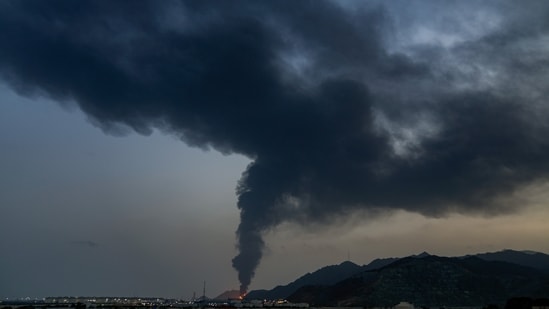
‘Don’t go out for photos, videos': Indian embassy's advisory to nationals in UAE amid Iran war| India News
UAE Embassy Warns Against Unsanctioned Filming Key Takeaways
A recent advisory, reiterated by diplomatic missions of the United Arab Emirates, underscores a critical aspect of public conduct within the nation’s borders: the strict prohibition against unauthorized filming at incident locations and within airport premises. This guidance, a consistent message from UAE authorities, serves as a crucial reminder for both residents and visitors about the country’s robust legal framework designed to uphold privacy, maintain public order, and ensure operational safety. For readers of Omni 360 News, understanding these regulations is paramount for a seamless and respectful experience in the UAE.
The warning is not new, but its renewed emphasis highlights the ongoing commitment of the UAE government to deter activities that could compromise individual privacy, obstruct emergency services, or pose security risks. The digital age, with its ubiquitous smartphones and instant sharing capabilities, has made such regulations more pertinent than ever. What might seem like an innocent act of capturing a moment can, in the UAE, carry significant legal consequences.
The Foundation of the Warning: Privacy and Public Order
At its core, the UAE’s stance on unauthorized filming is rooted in deeply held cultural values regarding privacy and the nation’s comprehensive legal system. The act of photographing or video recording individuals or private incidents without explicit consent is often viewed as a violation of personal space and dignity. This is particularly true when it comes to sensitive situations such as accidents, emergency responses, or security incidents, where individuals may be vulnerable or distressed.
The Cybercrime Law, specifically Federal Decree Law No. 34 of 2021, is a cornerstone of this regulatory framework. Article 44, among others, addresses the unauthorized capturing, transmitting, or publishing of images or videos of individuals without their consent. This law extends to various scenarios, including filming people in public places, if the intent or outcome is to expose their private life or cause harm. The penalties for contravention can be severe, including substantial fines and imprisonment. This legal backing provides the serious context to the embassy’s advisories.
Understanding “Incident Locations”
The term “incident locations” encompasses a broad range of scenarios where unauthorized filming is explicitly discouraged and potentially illegal. These typically include:
* Traffic Accidents: Bystanders filming accident scenes can impede emergency services, distress victims, or violate the privacy of those involved. Such footage can also be misused or misinterpreted.
* Emergency Services Operations: Filming police, ambulance, or civil defense personnel during their duties, especially in emergency situations, can obstruct their work, create distractions, and compromise sensitive operations.
* Security Incidents: Any situation involving public security, whether a minor disturbance or a more serious event, falls under this category. Filming can inadvertently disclose sensitive information, aid perpetrators, or cause panic.
* Public Disturbances or Protests: While rare, any gathering that could be perceived as a public disturbance would be an incident location where filming is prohibited to maintain order and prevent the spread of misinformation.
The overarching principle here is the protection of individuals’ privacy during moments of vulnerability and ensuring that official responders can perform their duties without interference or undue public scrutiny.
Filming Inside Airports: A Security Imperative
Airports, by their very nature, are highly sensitive environments with stringent security protocols. The prohibition against unauthorized filming inside airports is a global standard, but the UAE reinforces this with its own robust laws. This restriction covers a multitude of areas within airport premises, from check-in counters and security checkpoints to boarding gates and baggage claim areas.
The reasons are manifold:
* Security Risks: Filming could inadvertently capture sensitive security infrastructure, personnel, or operational procedures that should remain confidential.
* Passenger Privacy: Airports are crowded spaces, and individuals have a right to privacy while traveling. Unauthorized filming can intrude upon this.
* Operational Efficiency: Security personnel and airport staff need to operate without distraction or obstruction. Filming can hinder their duties.
* Data Protection: Capturing images of official documents, screens, or other sensitive information belonging to individuals or the airport authority can lead to data breaches.
This specific mention in the embassy’s warning emphasizes the UAE’s unwavering commitment to maintaining the highest levels of safety and security in its critical infrastructure.
Implications for Residents and Tourists
This advisory from the UAE’s diplomatic representatives carries significant weight for everyone in the country. For tourists, it means being mindful of local customs and laws, which may differ significantly from their home countries. What might be permissible elsewhere—like filming a traffic accident for social media—is strictly prohibited and carries serious penalties in the UAE.
For residents, the warning is a continuous reminder of their obligations under national law. Social media usage, while widespread, must always adhere to these legal boundaries. Sharing images or videos that violate privacy or public order laws, even if not personally filmed, can still lead to legal action. Ignorance of the law is not considered a valid defense.
Navigating the Rules: Practical Advice
To avoid inadvertently falling foul of these regulations, Omni 360 News advises the following:
1. Always Seek Consent: If filming or photographing individuals, especially in private or sensitive situations, always ask for their explicit permission first.
2. Exercise Discretion in Public: While general tourist photography is usually permissible, be aware of your surroundings. Avoid filming individuals who appear uncomfortable or who are clearly engaged in private moments.
3. Respect Emergency Scenes: If you encounter an accident or emergency, prioritize safety and avoid filming. Allow emergency services to do their work unimpeded.
4. Abide by Airport Rules: Assume filming is generally prohibited in airports unless explicitly stated otherwise by airport authorities or staff.
5. Understand Local Laws: Familiarize yourself with the UAE’s Cybercrime Law and other relevant regulations regarding public conduct and media use.
6. Report, Don’t Record: If you witness something you believe warrants official attention, report it to the authorities rather than filming and sharing it.
Key Takeaways:
* The UAE enforces strict laws against unauthorized filming, particularly at incident locations and within airports.
* These laws protect individual privacy, maintain public order, and ensure operational safety for emergency and security services.
* The UAE Cybercrime Law (Federal Decree Law No. 34 of 2021) is the primary legal framework, with penalties including fines and imprisonment for violations.
* “Incident locations” include traffic accidents, emergency service operations, and security incidents.
* Filming in airports is largely prohibited due to security and privacy concerns.
* Both residents and tourists must understand and comply with these regulations to avoid legal repercussions.
* Always seek consent before filming individuals, respect emergency scenes, and prioritize reporting incidents to authorities over recording them.
The UAE’s commitment to public safety and individual privacy is reflected in these clear directives. By understanding and respecting these rules, everyone can contribute to a safe, secure, and respectful environment, in line with the nation’s broader vision for its society. This ongoing communication from diplomatic missions ensures that crucial information reaches a global audience, fostering informed and responsible behavior within the UAE.





