
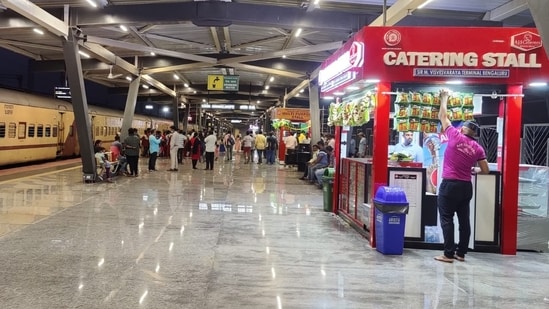
IRCTC asks catering licensees to adopt contingency plans over possible LPG shortage| India News
West Asia Tensions Spur Global Energy and Shipping Advisory
A significant advisory has been issued, not as an alarm, but as a prudent, forward-looking step. This measure comes amid deep concerns that the ongoing conflict in West Asia could cast a long shadow over global energy supplies and the intricate network of logistics that underpins daily life. For people everywhere, this ripple effect could touch everything from the price at the fuel pump to the timely arrival of everyday goods.
The heart of the matter lies in West Asia’s undeniable importance to the world’s economy. The region is a primary supplier of oil and natural gas, fueling industries and homes across continents. Moreover, crucial maritime routes, including the Suez Canal and the Red Sea, traverse this area, serving as indispensable arteries for international trade. When stability in this vital region falters, these essential pathways for commerce and energy are immediately scrutinized for potential vulnerabilities.
Understanding the Energy Impact
Consider the world’s economic machinery, powered significantly by oil. A substantial portion of this vital resource originates from West Asia. Should the conflict intensify or spread, there’s a tangible risk of disruptions to oil production or, critically, to the secure transit of oil tankers through key waterways. This isn’t merely an abstract concern for large corporations; it has direct, tangible consequences for local economies. When the reliability of oil supplies becomes uncertain, market prices typically rise. This increase translates directly into higher fuel costs for commuters and businesses, pushing up operational expenses for transportation and manufacturing, and ultimately impacting the cost of goods consumers purchase. Reports from various local news sources often highlight how such geopolitical events can lead independent petrol stations to face steeper wholesale prices or compel local delivery services to revise their budgets and routes.
Logistics and Supply Chain Vulnerabilities
Beyond energy, the advisory also underscores potential vulnerabilities in global logistics. Think of the vast array of products that define modern life—electronics, apparel, even perishable food items. A majority of these goods embark on extensive journeys across oceans aboard immense container ships. The stability of key maritime routes is paramount for these journeys. Should conflict make these established shipping lanes hazardous, maritime companies may be forced to reroute their vessels, opting for longer, more costly journeys around continents. This inevitably leads to significant delays in delivery schedules and a noticeable surge in shipping expenses. For instance, a local retailer anticipating a shipment of seasonal merchandise might encounter considerable delays, impacting their inventory and customer satisfaction. Manufacturers, regardless of their scale, could face critical shortages of essential parts, disrupting their production cycles. Omni 360 News has consistently observed how even minor rerouting decisions can trigger widespread effects across complex global supply chains, affecting everything from the automotive sector to the seasonal retail market.
A Precautionary Approach
Ultimately, this advisory acts as a clear signal, urging both governmental bodies and private enterprises to meticulously review and bolster their contingency plans. It encourages exploring alternative supply routes, diversifying energy sources where feasible, and strategically building up reserves. This is a strategy rooted in preparedness, not panic. By proactively acknowledging and understanding these potential challenges now, various sectors can aim to significantly reduce the severity of future disruptions. This forward-thinking stance is crucial for maintaining global economic stability and minimizing adverse shocks should the situation in West Asia escalate further. It represents a collective endeavor to safeguard the uninterrupted flow of goods and energy that forms the backbone of contemporary society.
Key Takeaways:
* The advisory serves as a proactive measure against potential disruptions to energy and logistics.
* West Asia’s critical role in global oil, gas, and shipping lanes makes it central to these concerns.
* Potential impacts include increased fuel prices for consumers and businesses, alongside delays in product delivery due to shipping route adjustments.
* Governments and businesses are urged to engage in thorough preparation and contingency planning.
* The overarching goal is to mitigate economic impacts before they fully materialize, ensuring greater resilience.





