
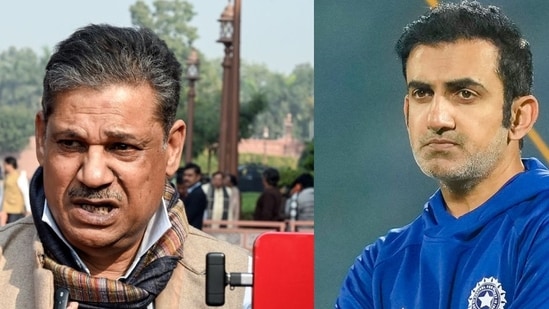
Explained: The Kirti Azad controversy after India’s T20 World Cup triumph and how Team India responded| India News
Politician’s Cricket Tweet Ignites Debate Over Indian Team Leadership Key Takeaways Omni 360 News
The digital landscape buzzed recently as a prominent cricketer-turned-politician stirred a significant controversy with a pointed tweet. The social media post, widely circulated and dissected, took aim at key figures in Indian cricket: Team India captain Suryakumar Yadav, coach Gautam Gambhir, and the influential International Cricket Council (ICC) Chairman, Jay Shah. The incident has reignited discussions about the intersection of sports, politics, and public accountability.
The politician, known for their outspoken views and deep roots within the cricketing world before entering public life, did not mince words. While specifics of the tweet, now deleted from some platforms but widely screenshotted, focused on perceived shortcomings in team strategy, player performance, and administrative oversight, the underlying message challenged the current direction of Indian cricket. Targeting individuals like Suryakumar Yadav, a dynamic player currently leading the national side, and Gautam Gambhir, a World Cup winner now guiding the team from the dugout, immediately escalated the matter. The inclusion of Jay Shah, son of a senior political figure and a pivotal administrator in global cricket, added another layer of complexity, hinting at broader issues of governance and influence within the sport.
Sources close to local cricket associations, speaking anonymously, indicated a mixed reaction. While some expressed frustration over recent team performances, echoing sentiments of the politician, others worried about the public criticism undermining team morale and creating unnecessary pressure. A local cricket pundit from Mumbai noted, “Publicly lambasting players and coaches, especially before crucial series, can be counterproductive. It fuels unnecessary drama when focus should be on the game.” This reflects a sentiment often found in smaller news outlets and fan forums, where the immediate impact on the sport’s spirit is closely observed.
For those unfamiliar with the power dynamics, Jay Shah holds a significant position as the ICC Chairman, making him a central figure in international cricket governance. His involvement in the Board of Control for Cricket in India (BCCI), the sport’s governing body in India, further amplifies any criticism directed his way. Suryakumar Yadav, as captain, carries the immense expectations of a cricketing nation, while Gautam Gambhir, as coach, is responsible for guiding the team’s tactical approach and player development. A tweet from a former player, now a politician, carries weight due to their past achievements and current political platform.
This episode highlights the delicate balance between freedom of expression and the responsibility that comes with public office, particularly when commenting on national icons and institutions. It sparks crucial conversations about who gets to critique and how, especially when political figures use their platform to comment on non-political domains. The long-term effects on team dynamics and administrative confidence remain to be seen, but the immediate impact is a visible crack in the public perception of unity within Indian cricket.
Key Takeaways:
1. A cricketer-turned-politician’s tweet directly challenged India’s cricket leadership.
2. The targets – captain, coach, and a top administrator – signify broad concerns.
3. The incident reignites debate on sports-politics interplay and public criticism.
4. Local sentiments show a divided opinion on the appropriateness of such public remarks.
Omni 360 News will continue to monitor developments in this unfolding story, providing comprehensive coverage from various perspectives.





