
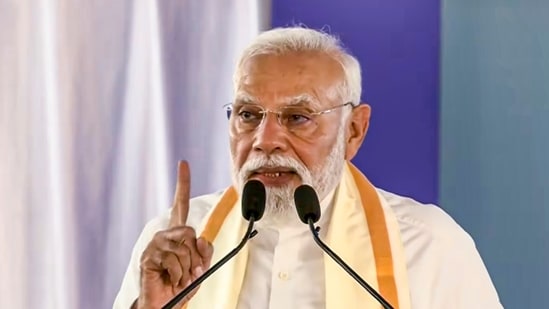
'Indians won't be left stranded': PM Modi on nationals stuck in US-Iran warzones| India News
Government’s Close Watch Indian Nationals in West Asia
The welfare of millions of Indian nationals residing and working across West Asia remains a paramount concern for New Delhi. Prime Minister Narendra Modi recently reiterated the government’s unwavering commitment, stating that the situation in the region is being closely monitored, and extensive coordination efforts are underway to support the vast Indian diaspora. This proactive stance underscores India’s deep-rooted responsibility towards its citizens abroad, particularly in a region marked by dynamic geopolitical shifts and economic currents.
West Asia, often referred to as the Middle East, serves as a vital economic hub and a second home for approximately nine million Indians. These individuals contribute significantly to the economies of their host countries, working across various sectors from oil and gas to healthcare, construction, and services. Their remittances also form a crucial lifeline for countless families back in India, making their safety, security, and well-being a strategic imperative for the Indian government.
The pronouncements from the highest levels of government reflect an understanding of the intricate challenges faced by Indians in the region. Geopolitical tensions, economic uncertainties, and even localized social shifts can impact the lives of expatriate communities. Thus, “monitoring the situation” is not a passive observation but a robust, multi-layered approach involving continuous intelligence gathering, diplomatic engagements, and direct communication channels with Indian communities.
Understanding the Government’s Multi-pronged Approach
When the Prime Minister speaks of “coordinating efforts,” it encompasses a comprehensive network of government agencies and diplomatic missions. The Ministry of External Affairs (MEA), through its embassies and consulates across West Asian nations—including Saudi Arabia, the United Arab Emirates, Qatar, Kuwait, Oman, and Bahrain—stands at the forefront of these endeavors. These missions act as the first point of contact and crucial support systems for Indian nationals.
One of the key mechanisms is the regular engagement with host country governments. Indian diplomats work tirelessly to foster strong bilateral relations, which in turn facilitates smoother resolution of issues concerning Indian workers. This includes advocating for fair labor practices, addressing contractual disputes, ensuring humane working conditions, and providing legal assistance where necessary. Agreements on labor mobility and social security are often negotiated to create a more secure environment for the Indian workforce.
Furthermore, the Indian Community Welfare Fund (ICWF), managed by Indian missions abroad, plays a critical role. This fund provides emergency assistance to Indian nationals in distress, covering expenses for medical emergencies, legal aid, shelter for victims of abuse, and even repatriation of mortal remains. Such provisions offer a safety net, ensuring that no Indian national is left stranded or helpless in a foreign land due to unforeseen circumstances. Omni 360 News recognizes the essential nature of these grassroots support systems.
Reasons for Heightened Vigilance
The current regional landscape necessitates this heightened vigilance. While specific incidents are not always the sole driver, a general environment of geopolitical fluidity in West Asia, including ongoing conflicts, trade route disruptions, and evolving economic policies, means that the lives of foreign nationals can be indirectly affected. For instance, any downturn in the oil market can lead to job losses, or changes in local labor laws might require new adjustments for expatriates. The government’s proactive monitoring aims to anticipate such challenges and formulate timely responses.
Digital platforms and outreach programs also form a crucial part of the coordination efforts. Indian missions often maintain active social media channels and helplines to disseminate information, issue advisories, and respond to queries from the community. Initiatives like the MADAD portal allow Indian citizens to register grievances online, ensuring that concerns are addressed systematically. This digital connectivity ensures that communication is a two-way street, fostering a sense of security and belonging among the diaspora.
Empowering the Indian Diaspora
Beyond crisis management, the government’s long-term vision includes empowering the Indian diaspora. This involves promoting skill development, facilitating ethical recruitment practices to prevent exploitation, and encouraging community organizations to play a larger role in supporting their members. Many Indian associations in West Asia work closely with embassies, serving as vital bridges between the government and the community, amplifying voices, and extending help on the ground.
The commitment articulated by PM Modi reassures millions of Indian families both at home and abroad. It signals that their contributions are valued, their safety is prioritized, and their well-being is a core tenet of India’s foreign policy. For a 12th-grade student, understanding this means realizing that India doesn’t just look inward; it actively cares for its citizens wherever they may be, using diplomacy, welfare funds, and constant communication to ensure their security and prosperity in a complex world.
Key Takeaways
* The Indian government is actively monitoring the situation in West Asia to safeguard its vast diaspora.
* Coordination efforts involve diplomatic engagement, welfare funds, and direct support through embassies.
* The Indian Community Welfare Fund (ICWF) provides crucial emergency assistance to nationals in distress.
* Digital platforms and community organizations are vital for communication and grassroots support.
* India’s proactive approach underscores its commitment to the welfare of its citizens globally, particularly in economically vital regions like West Asia.
The Prime Minister’s consistent focus on the Indian diaspora in West Asia reflects a mature foreign policy that intertwines economic interests with humanitarian responsibility. It’s a continuous, evolving effort to ensure that Indians contributing to the prosperity of other nations do so with dignity, security, and the unwavering backing of their home country.





