
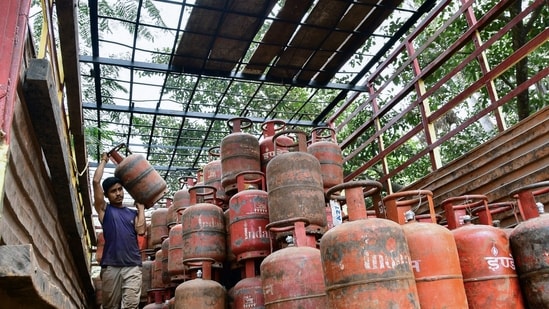
'Don't panic, please': Govt urges consumers not to panic book LPG cylinders amid shortage fears| India News
Government Confirms Ample LPG Supplies Avoid Hasty Bookings
In a significant reassurance to households across the nation, the government has firmly declared that the country holds sufficient stocks of Liquefied Petroleum Gas (LPG) to meet consumer demands. This statement comes amidst a period where concerns about commodity availability often lead to anxious consumer behavior, particularly regarding essential household fuels. Officials have urged the public to refrain from making unnecessary or multiple bookings, emphasizing that such actions can inadvertently strain the delivery system and create artificial backlogs. This message is critical for maintaining a smooth supply chain for millions of families reliant on cooking gas.
Understanding the Assurance
The core of the government’s message is simple yet crucial: there is no shortage of LPG. This assurance is built upon a robust supply chain that includes both domestic production and strategic imports. India, a major consumer of LPG, has sophisticated logistical networks designed to distribute cylinders efficiently to urban and rural areas. Government agencies, alongside public and private oil marketing companies, continuously monitor stock levels at various points—from import terminals and bottling plants to local distribution hubs. This vigilant oversight ensures a steady flow of cylinders, anticipating demand fluctuations and proactively managing inventories.
A significant part of this stability stems from long-term import contracts and a diversified procurement strategy, which mitigates risks associated with global market volatility. Furthermore, investments in enhancing bottling plant capacities and improving last-mile delivery infrastructure have strengthened the system’s resilience. This comprehensive approach forms the bedrock of the government’s confidence in the current supply situation.
The Ripple Effect of Unnecessary Bookings
While the government’s assurance aims to calm nerves, the instinct to “stock up” or book multiple cylinders out of apprehension can, ironically, create issues. When a large number of consumers book LPG cylinders unnecessarily—for instance, when their current cylinder is still half-full, or by placing multiple orders through different channels—it sends distorted demand signals through the system.
Imagine a local gas agency. Normally, it processes a predictable number of bookings daily. If suddenly, bookings surge by 20-30% due to panic, the agency’s delivery infrastructure, which includes vehicles and personnel, gets overwhelmed. This doesn’t mean there aren’t enough cylinders in the larger supply chain, but rather that the local distribution capacity is stretched beyond its immediate limits. Consequently, genuine bookings for households that have truly run out of gas might experience delays.
Local distributors often report that such spikes in bookings lead to longer waiting times, frustrated customers, and increased operational pressure on their staff. It diverts resources that could otherwise be used for efficient, timely deliveries to those most in need. This artificial demand can also inflate perceived waiting periods, further fueling anxiety among consumers who then feel compelled to book even earlier, perpetuating the cycle.
A Call for Prudent Consumer Behavior
The government’s plea to avoid unnecessary bookings is not just about logistics; it’s also about fostering a sense of community responsibility. Every unnecessary booking occupies a spot in the delivery queue and consumes resources that could be directed elsewhere. Consumers are encouraged to book their next cylinder only when their current one is genuinely nearing depletion.
Many households now use a combination of primary and standby cylinders. The best practice, according to distributors, is to book a refill when the standby cylinder is put into use, giving ample time for the delivery of the replacement. Digital booking platforms and mobile apps offer convenient ways to track booking status, eliminating the need for multiple attempts or inquiries. Utilizing these tools effectively can help manage expectations and avoid redundant orders.
Local Impact and Omni 360 News Perspective
From the perspective of Omni 360 News, the situation underscores the delicate balance between national policy and local reality. While central assurances are vital, the experience on the ground often shapes public perception. Local news outlets sometimes highlight specific instances of delivery delays in certain neighborhoods, which can then be misconstrued as a nationwide shortage. It’s crucial for consumers to distinguish between localized logistical hiccups and an actual scarcity of the commodity itself.
Local gas agencies, often small businesses deeply integrated into their communities, play a pivotal role in this. They are the frontline responders, managing direct consumer interaction, and bearing the brunt of both genuine demand and panic-induced surges. Their efficiency directly impacts household routines. When the public cooperates by booking responsibly, these local agencies can operate more smoothly, ensuring everyone gets their supply in a timely manner.
The message from the government is a clear directive to trust the system and act rationally. It’s a call for collective responsibility, where prudent individual actions contribute to the stability and efficiency of a vital national supply network.
Key Takeaways
* The government confirms the nation holds ample LPG stocks, assuring continuous supply.
* Concerns about shortages are unfounded due to robust domestic production and import strategies.
* Unnecessary or multiple bookings by consumers can strain local delivery systems and cause delays.
* Consumers are urged to book refills only when needed, typically when their standby cylinder is put to use.
* Responsible booking behavior helps ensure smooth and timely deliveries for all households.
* The efficiency of the LPG supply chain relies on both government management and public cooperation.
Ultimately, the availability of cooking gas is fundamental to daily life. By heeding the government’s advice, consumers can contribute to a more efficient and reliable delivery system, ensuring that this essential commodity remains accessible to everyone without undue stress or delay. The message is clear: the gas is there, let’s ensure it reaches every kitchen without creating unnecessary bottlenecks.





