
India monitoring 28 merchant ships in Persian Gulf, 10 million Indians in West Asia| India News
Protecting Indian Seafarers Amid West Asia Volatility
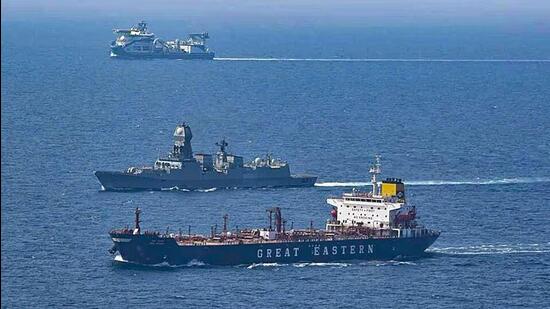
India’s unwavering commitment to its citizens’ safety shines through as the nation actively monitors the welfare of its seafarers navigating the tense waters of the Persian Gulf. With geopolitical ripples from the ongoing Iran-US friction creating an unpredictable environment, New Delhi has intensified its vigilance over 28 merchant ships carrying more than 770 Indian seafarers in this critical maritime region.
For those perhaps still in school, imagining the Persian Gulf as a busy highway for ships might help. This maritime route is vital, connecting countries that rely heavily on goods transported by sea. When two major nations like Iran and the United States have disagreements, it can make this crucial highway risky. India, being a country with a significant number of its citizens working on these ships, has to be extra careful to ensure their safety and well-being.
The Ministry of External Affairs (MEA) has confirmed the continuous surveillance, establishing a dedicated framework to keep track of these vessels and their crews. This proactive stance underscores the government’s priority in safeguarding the lives and livelihoods of its maritime workforce, a significant contributor to global trade and India’s economy. These seafarers, many hailing from coastal states like Kerala, Goa, and Tamil Nadu, often spend months away from their families, facing unique challenges even in peaceful times. The added layer of geopolitical tension amplifies their vulnerability, a reality keenly felt by their loved ones back home.
Government’s Vigilance and Proactive Measures
New Delhi’s strategy involves a multi-pronged approach to secure its citizens. Indian diplomatic missions across the region, particularly those in Iran, the UAE, Saudi Arabia, and other Gulf nations, are working tirelessly. These missions serve as crucial contact points, offering assistance and real-time updates to seafarers and their companies. The MEA maintains close coordination with international maritime organizations and regional partners to ensure a safe passage corridor for Indian-flagged or Indian-crewed vessels.
Advisories are regularly issued, guiding Indian shipping companies and seafarers on safe navigation practices, designated routes, and emergency protocols. These advisories are not mere formalities; they are lifelines, equipping seafarers with essential knowledge to navigate potential hazards. Furthermore, dedicated helplines have been established, allowing seafarers and their families to report concerns or seek immediate assistance, providing a crucial link during times of uncertainty.
Assistance for Stranded Indians in West Asia
Beyond the high seas, India’s humanitarian efforts extend to its citizens stranded or facing difficulties across West Asia. The escalating regional instability has, at times, led to travel disruptions, employment uncertainties, and logistical challenges for the vast Indian diaspora in the Gulf. Indian embassies and consulates are actively involved in providing comprehensive consular services, facilitating emergency travel documents, and coordinating with local authorities to address specific grievances.
In instances where Indian nationals find themselves in distress due to unforeseen circumstances, the government has been swift to act. This includes repatriation efforts, providing temporary shelter, and offering legal aid where necessary. Local community organizations, often comprising Indian expatriates themselves, play a vital role in complementing these official efforts, forming a robust support network. Omni 360 News has observed firsthand the deep sense of community and solidarity among Indians in these regions, which often proves invaluable during crises.
The Human Dimension
For families in India, every news update from the Persian Gulf carries immense weight. The sight of their loved ones’ ships navigating precarious routes can be a source of constant worry. The government’s transparent communication and swift response mechanisms aim to alleviate some of this anxiety, reassuring families that their concerns are heard and acted upon. The seafarers themselves demonstrate remarkable courage, continuing their vital work under challenging conditions, embodying the spirit of resilience that defines the Indian maritime community.
Understanding the Conflict’s Impact
To put it simply, when big countries have disagreements, it creates ripples that can affect everyone. The Persian Gulf is strategically important because a significant portion of the world’s oil and gas passes through it. Any tension or increased military presence in this area can make commercial shipping risky. Ships might face delays, higher insurance costs, or even direct threats. This is why India’s proactive monitoring is so vital; it’s about anticipating these risks and preparing for them, ensuring the supply chain for essential goods isn’t disrupted and, most importantly, protecting its people.
The broader context of the Iran-US conflict, though complex, centers on various geopolitical interests, sanctions, and regional influence. Its direct impact on maritime safety underscores the interconnectedness of global affairs, where distant political decisions can have immediate, tangible consequences for individuals thousands of miles away.
Conclusion
India’s diligent oversight of its seafarers and citizens in West Asia exemplifies a nation committed to the welfare of its diaspora. The ongoing monitoring of merchant ships in the Persian Gulf, coupled with comprehensive support for stranded individuals, is a testament to New Delhi’s proactive and compassionate foreign policy. As regional dynamics continue to evolve, the collective efforts of the government, diplomatic missions, and the Indian community remain crucial in navigating these turbulent times, ensuring the safety and well-being of every Indian national.
Key Takeaways
* India’s Proactive Vigilance: New Delhi is closely monitoring 28 merchant ships with over 770 Indian seafarers in the Persian Gulf due to Iran-US tensions.
* Multi-pronged Government Strategy: The Ministry of External Affairs (MEA) is utilizing diplomatic missions, issuing advisories, and establishing helplines to ensure maritime safety.
* Assistance Beyond Seafarers: Comprehensive support systems are in place for all Indian nationals facing difficulties or being stranded across West Asia, including consular services and repatriation efforts.
* Human Element at Core: The efforts prioritize the well-being of seafarers and the peace of mind of their families back home, acknowledging the human cost of geopolitical instability.
* Regional Instability’s Impact: Geopolitical friction in the Persian Gulf directly affects commercial shipping and the safety of individuals working in the region, making India’s monitoring crucial.





