
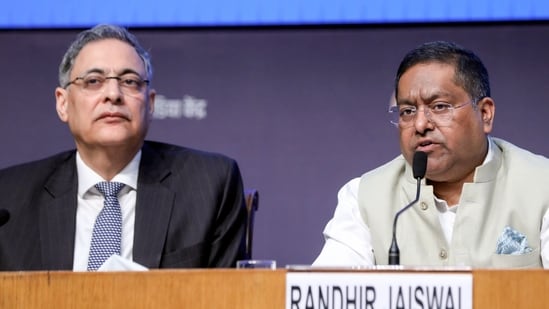
India assisting return of its citizens from Iran via Armenia, Azerbaijan, says MEA| India News
Indian Embassy in Tehran Maintains Full Operations Amid Heightened Vigilance Omni 360 News Key Takeaways for Nationals
In a significant update for Indian nationals residing in or planning travel to Iran, the Ministry of External Affairs (MEA) has confirmed that the Indian Embassy in Tehran remains fully operational and is maintaining a state of high alert. This assurance comes amidst an evolving geopolitical landscape that often sees regional tensions ebb and flow, making proactive diplomatic communication crucial. For readers of Omni 360 News, understanding the implications of such statements is key to navigating international developments.
Understanding “Fully Operational”
When a diplomatic mission, like the Indian Embassy in Tehran, states it is “fully operational,” it means all essential services and functions are being carried out without interruption. This is a vital piece of information for Indian citizens abroad. It signifies that the embassy continues to provide a comprehensive range of consular services, which include:
* Passport and Visa Services: Processing renewals, new applications, and various types of visas for those intending to travel to India.
* Emergency Assistance: Offering help in situations like lost passports, medical emergencies, or legal issues.
* Attestation Services: Verifying documents for various purposes, such as education or employment.
* Community Engagement: Remaining a point of contact for the Indian diaspora, organizing events, and addressing community concerns.
For Indian expatriates and students in Iran, this ensures a steady line of support and access to critical administrative functions. It reassures them that their government’s representation in the country is robust and accessible, even during times that may warrant increased caution.
The Meaning of “High Alert”
The phrase “on high alert” carries significant weight in diplomatic and security circles. It indicates an enhanced state of readiness and vigilance. This typically translates into several proactive measures:
* Increased Security Protocols: The embassy likely has reinforced its internal and external security measures to safeguard its premises and personnel. This could involve stricter access controls and heightened surveillance.
* Constant Monitoring of the Situation: Embassy staff, particularly those in political and intelligence wings, would be closely monitoring local and regional developments. This involves tracking news, government statements, and ground realities to assess potential risks.
* Contingency Planning: While always a part of diplomatic operations, a “high alert” status means contingency plans for various scenarios—from natural disasters to security incidents—are reviewed, updated, and potentially put into a higher state of readiness. This includes plans for citizen evacuation if such an extreme measure ever becomes necessary, though this is always a last resort.
* Internal Communication: There would be enhanced communication channels within the embassy and with the MEA in New Delhi to ensure swift information exchange and coordinated responses.
It is important to understand that “high alert” is a precautionary measure, reflecting a heightened awareness of potential risks, rather than an immediate declaration of danger. It demonstrates the embassy’s commitment to the safety and well-being of its staff and all Indian nationals within its jurisdiction.
Navigating a Complex Geopolitical Landscape
Iran holds strategic importance due to its geographical location and significant role in regional energy dynamics. The broader West Asian region has frequently experienced periods of heightened tension, often influenced by international relations, energy politics, and internal developments. India maintains a nuanced and independent foreign policy, balancing its various interests in the region, including energy security, trade, and the welfare of its large diaspora.
The MEA’s statement underscores India’s commitment to maintaining its diplomatic presence and protecting its citizens even amidst such complexities. It reflects a mature approach to international relations, prioritizing stability and the welfare of its people.
Key Takeaways for Indian Nationals in Iran
1. Embassy is Fully Functional: All consular and administrative services are available as usual. Do not hesitate to contact the embassy for routine or emergency needs.
2. Heightened Vigilance: The embassy is actively monitoring the situation. This means enhanced safety protocols are in place for your protection.
3. Stay Informed: Indian nationals should regularly check the Indian Embassy in Tehran website and official MEA advisories for any updates or specific instructions. For reliable news and context, platforms like Omni 360 News provide valuable insights.
4. Register with the Embassy: If you haven’t already, register your presence with the embassy. This helps them reach out to you in case of any emergency or important announcements.
5. Exercise Caution: While no specific travel ban or immediate threat is indicated, it is always prudent to exercise caution, avoid large gatherings, and be aware of your surroundings in any foreign country experiencing regional sensitivities.
The MEA’s communication serves as a crucial signal of stability and preparedness. It ensures that Indian citizens abroad know their government is vigilant, operational, and dedicated to their security, providing a measure of calm amidst global uncertainties.





