CBI arrests DGCA deputy director, senior executive of private firm in bribery case| India News
# CBI Arrests DGCA Official in Bribery Case
**By National Desk Correspondent, The Aviation Chronicle**
**April 20, 2026**
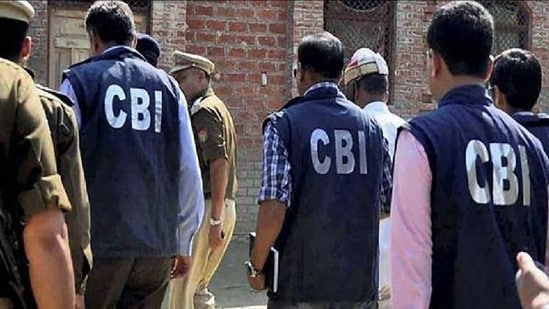
In a major crackdown on systemic corruption within India’s aviation regulatory framework, the Central Bureau of Investigation (CBI) arrested a Deputy Director of the Directorate General of Civil Aviation (DGCA) and a senior corporate executive on Sunday, April 19, 2026. The arrests followed a coordinated trap operation in New Delhi, where Bharat Mathur, a Senior Vice President of a prominent private aviation firm, was allegedly caught red-handed offering a bribe of ₹2.5 lakh to the DGCA official. The illicit payment was reportedly intended to expedite the clearance of pending operational files, raising severe questions about regulatory integrity at the highest levels. [Source: Hindustan Times].
## Anatomy of the CBI Trap Operation
The Central Bureau of Investigation operates with a high degree of precision when targeting corruption within central regulatory bodies. According to preliminary reports, the agency had been monitoring the communications between the corporate executive and the regulatory official following a credible tip-off regarding a persistent cash-for-clearance nexus.
The CBI registered a First Information Report (FIR) under relevant sections of the Prevention of Corruption Act, 1988 (as amended in 2018), setting the stage for a classic trap operation. Independent witnesses were requisitioned, and chemically treated currency notes amounting to ₹2.5 lakh were prepared. When Bharat Mathur, identified as a Senior Vice President of a major corporate group, allegedly handed over the bribe to the DGCA Deputy Director, CBI operatives moved in to make the arrests. The chemical wash of the official’s hands subsequently tested positive, confirming the physical exchange of the illicit funds.
Following the arrests, the investigating agency launched simultaneous search operations at the residential and official premises of both the accused. These searches are critical for unearthing further evidentiary material, including digital devices, unaccounted cash, and internal files that may point to a broader, more entrenched syndicate of regulatory manipulation. [Source: Hindustan Times | Additional: CBI Standard Operating Procedures for Trap Cases].
## The Corporate Connection and Regulatory Bottlenecks
The involvement of a high-ranking corporate executive like Bharat Mathur sheds light on the immense pressure private aviation operators face regarding regulatory compliance. The DGCA is the statutory body responsible for regulating civil aviation in India, handling everything from the issuance of Air Operator Certificates (AOCs) and Non-Scheduled Operator’s Permits (NSOPs) to the approval of flight manuals and safety audits.
In the highly capital-intensive aviation sector, time is directly proportional to massive financial expenditures. A grounded aircraft or a delayed operational permit can cost a corporate group millions of rupees in lease rentals, parking fees, and lost revenue opportunities. This high-stakes environment inadvertently creates a vulnerability where corporate entities may resort to “speed money” or outright bribery to bypass bureaucratic red tape and fast-track their files.
While ₹2.5 lakh may seem like a relatively small amount in the context of multi-billion-dollar aviation conglomerates, it often represents a normalized, routine transaction—a “facilitation fee” designed to move a specific file from one desk to another. The arrest of a Senior Vice President underscores a severe lapse in corporate governance and ethical compliance within the unnamed major corporate group. [Source: Hindustan Times | Additional: Public Analysis on Indian Aviation Economics].
## Digitization vs. The “Last Mile” Human Interface
Over the past several years, the Ministry of Civil Aviation has heavily promoted the eGCA (e-Governance in Directorate General of Civil Aviation) portal. Launched to ensure transparency, accountability, and the ease of doing business, the portal digitized hundreds of services, aiming to eliminate the physical interface between the regulator and the stakeholders.
However, this recent bribery scandal exposes the limitations of digital infrastructure when not coupled with strict behavioral oversight. Despite the eGCA system, the “last mile” of regulatory approval often requires a physical signature, a subjective safety assessment, or discretionary file movement by mid-level and senior bureaucrats.
“Digitization is a vital tool, but it is not a panacea for corruption if discretionary powers remain unchecked,” notes Dr. Manish Sharma, an independent aviation safety and regulatory analyst. “When an official has the power to raise arbitrary queries or delay an approval indefinitely, the system is ripe for exploitation. Corporate players, driven by the urgency of operational deadlines, often become willing participants in this illicit ecosystem.” [Source: Independent Expert Analysis].
## Implications for India’s Aviation Safety Posture
Beyond the immediate financial and legal ramifications, systemic corruption within the DGCA poses a severe threat to aviation safety. The regulator’s primary mandate is to ensure that airlines, charter operators, and flying training organizations adhere to strict international safety protocols outlined by the International Civil Aviation Organization (ICAO).
When regulatory clearances are bought rather than earned, the integrity of safety audits is compromised. If a bribe was paid to overlook a deficiency in an aircraft’s maintenance log, or to fast-track the approval of an under-qualified pilot, the end result is a direct threat to passenger lives. While it remains unclear exactly which files were being cleared in exchange for the ₹2.5 lakh bribe, the CBI’s investigation will undoubtedly scrutinize the safety implications of the compromised paperwork.
Historically, the US Federal Aviation Administration (FAA) has downgraded India’s safety ranking when it found the DGCA lacking in adequate oversight mechanisms. While India has since recovered and maintained top-tier safety ratings leading up to 2026, scandals involving high-ranking officials threaten to invite renewed international scrutiny, potentially affecting the global operations of Indian carriers. [Source: Historical Context of FAA/ICAO Audits].
## The Legal Framework: Prevention of Corruption Act
The arrests of both the bribe taker and the bribe giver highlight the rigorous application of the amended Prevention of Corruption (PoC) Act. Previously, anti-corruption laws in India predominantly focused on the public servant receiving the illicit gratification. However, modern legal frameworks hold corporate entities and their executives equally accountable.
**Key Legal Provisions Invoked:**
* **Section 7 of the PoC Act:** Applies to the DGCA Deputy Director for obtaining an undue advantage with the intention to perform a public duty improperly.
* **Section 8 of the PoC Act:** Directly targets Bharat Mathur for giving an undue advantage to induce a public servant to perform their duty improperly.
* **Corporate Liability:** If the investigation proves that Mathur acted with the consent or connivance of the company’s board, the corporate entity itself could face severe financial penalties and potential blacklisting from government contracts.
Both accused are expected to be produced before a Special CBI Court at the Rouse Avenue court complex in New Delhi. The CBI will likely seek custodial remand to interrogate them further, aiming to unearth whether this was an isolated incident or part of an organized syndicate involving other DGCA officials and corporate liaisons.
## Moving Forward: Restoring Faith in the Regulator
The Ministry of Civil Aviation is expected to take a grim view of the incident. Standard administrative procedures dictate that the arrested DGCA official will be immediately suspended pending the outcome of the criminal investigation.
To restore faith in the regulatory body, the government must undertake a comprehensive internal vigilance audit. This involves reviewing all files cleared by the arrested official over the past several years, cross-referencing them against established safety standards to ensure no compromised aircraft or operators are currently flying.
Furthermore, corporate India must recognize the shifting landscape of regulatory enforcement. The days of utilizing deep pockets to grease the wheels of bureaucracy are increasingly fraught with severe legal peril. Companies must invest in robust internal compliance and anti-bribery management systems to prevent their executives from engaging in illegal practices.
## Conclusion
The CBI’s decisive action in arresting a DGCA Deputy Director and corporate Senior Vice President Bharat Mathur over a ₹2.5 lakh bribe is a watershed moment for India’s aviation sector in 2026. [Source: Hindustan Times]. It serves as a stark reminder that despite technological advancements like the eGCA portal, the human element remains a critical vulnerability in the fight against corruption.
**Key Takeaways:**
1. **Zero Tolerance:** The CBI’s trap operation highlights an aggressive, zero-tolerance approach toward corruption in critical regulatory bodies.
2. **Corporate Accountability:** The arrest of a Senior VP emphasizes that bribe givers are facing the same severe legal consequences as corrupt public servants.
3. **Safety First:** The DGCA must urgently review all clearances granted by the accused official to ensure that passenger safety has not been compromised by corporate bribery.
As India’s aviation market continues its exponential growth trajectory, maintaining an unimpeachable, transparent, and globally respected regulatory environment is not just an administrative requirement—it is the foundational pillar of the industry’s future success.