West Bengal Assembly Election: EC controls food price for poll officers
“`html
Election Workers’ Meals: Commission Sets Prices!
5,000 election workers in West Bengal just received a rather unusual memo. It’s not about polling procedures or security protocols. It’s a detailed menu – and price list – for their meals during the upcoming elections. Yes, you read that right. The Election Commission has dictated exactly what they’ll eat and how much it will cost.
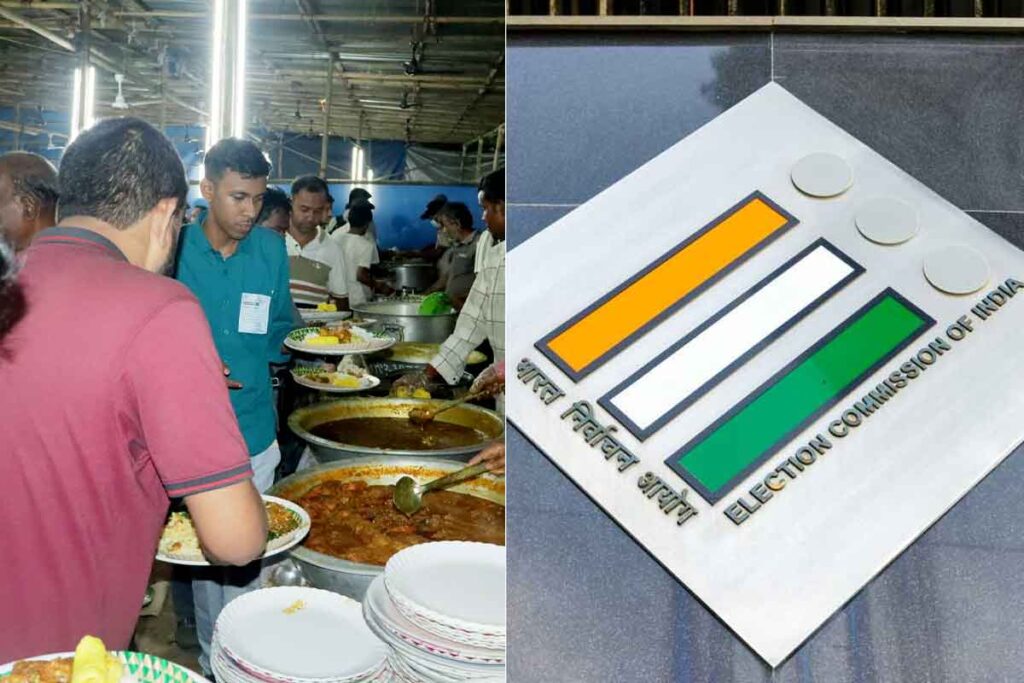
The specifics are quite something. Forget packed lunches or grabbing a quick bite. Election workers are expected to purchase their food from self-help groups (SHGs) operating near polling booths. And the Commission has set maximum prices for everything, from a simple cup of red tea to a plate of chicken and rice. Apparently, even election sustenance needs oversight.
Is This Bureaucracy Gone Too Far?
It’s easy to chuckle at the image of a price list for election worker meals. But dig a little deeper, and it raises some serious questions. Is this level of control really necessary? While the intention – ensuring fair pricing and preventing exploitation – is admirable, the execution feels heavy-handed. It’s a prime example of bureaucracy at its most… detailed. It also shifts responsibility onto these already stretched self-help groups, who now have to manage both cooking and adhering to strict pricing guidelines.
What’s actually happening here is simple: the Election Commission wants to control costs for the thousands of people working long hours at polling stations. They’ve decided the best way to do that is to set prices for everything from chai to chicken curry. The menu itself is extensive, offering a range of options. Think red tea (6-7 rupees), muri-ghugni (30 rupees), rice, lentils, vegetables, fish, and even chicken. For those with a bigger appetite, a whole piece of rohu fish will set you back 90 rupees, while a plate with three pieces of chicken costs 100 rupees. Even water isn’t free – half a liter costs 10 rupees, and a full liter, 20 rupees.
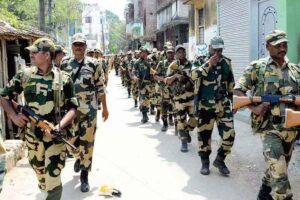
The prices vary slightly from district to district, and so does the honorarium paid to election officials. Presiding officers in Purulia receive around 3020 rupees, while first polling officers get 2170 rupees. In Hooghly, these figures are significantly higher, reflecting regional differences in costs. Even central forces stationed at polling booths will be buying their meals from these SHGs, though their food is prepared by company cooks.
Atomic Answer: The Election Commission of India has mandated a detailed food menu and price list for election workers in West Bengal to control costs. Workers must purchase meals from self-help groups, with prices capped for everything from tea to full meals. This move aims to ensure fair pricing but has sparked debate about excessive bureaucracy.
Beyond the immediate cost implications, this situation highlights a broader issue: the increasing complexity of election management. While ensuring transparency and fairness is crucial, it shouldn’t come at the expense of common sense and practicality. One wonders if a simpler approach – perhaps providing a basic food allowance – would have been more effective and less prone to generating headlines about price-controlled election meals.
Ultimately, the success of this initiative will depend on how smoothly it’s implemented. Will the self-help groups be able to cope with the added pressure? Will election workers feel adequately fed and supported during their long shifts? And will this elaborate system actually achieve its goal of cost control, or will it simply add another layer of complexity to an already intricate process?
“`