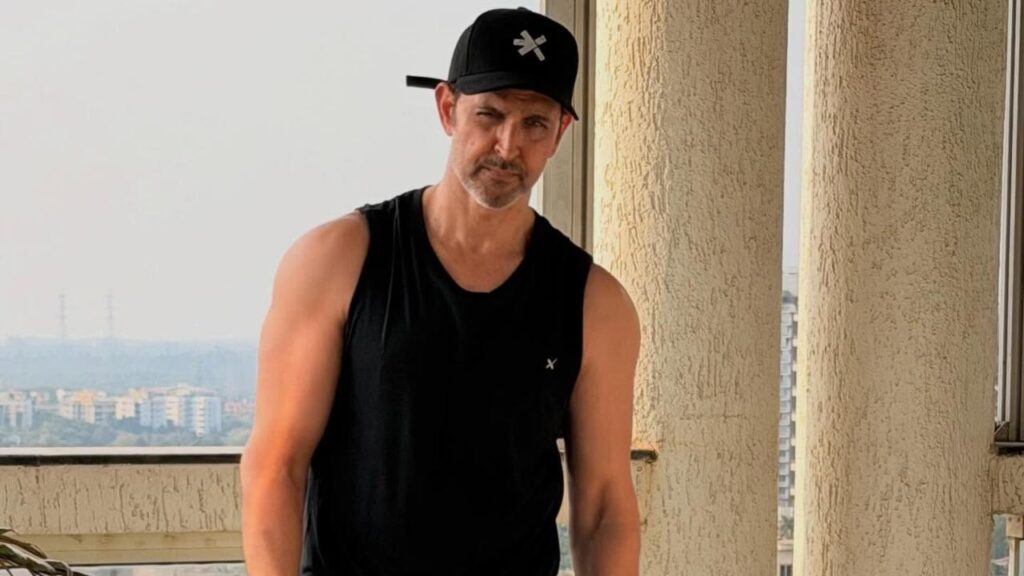
Fan asks Hrithik Roshan if he backed War 2 in VFX debate; actor responds
Hrithik Roshan Addresses VFX Standards Amidst Industry Dialogue Key Takeaways
In the bustling landscape of Indian cinema, where visual effects (VFX) increasingly define big-screen spectacle, a significant conversation has emerged regarding their quality and execution. Recently, actor Hrithik Roshan weighed in on these ongoing discussions, particularly addressing fan speculation concerning his upcoming film, *War 2*, in the context of the wider *Ramayana* VFX debate. His insights, shared through recent interactions, offer a rare glimpse into the complex realities of film production.
The actor’s statements arrived at a time when the visual quality of major motion pictures, notably the much-discussed glimpses of the upcoming *Ramayana* project, has become a hot topic among audiences and industry watchers. Fans often scrutinize every frame, holding films to increasingly high international standards for visual immersion. VFX, or visual effects, are essentially computer-generated imagery used to create scenes that are either impossible to film practically or to enhance existing footage. When executed well, they seamlessly blend into the narrative, making fantastical elements feel real. However, when the output falls short, it can detach the audience from the story, leading to widespread disappointment, as seen in some recent examples.
Hrithik Roshan, known for his commitment to cinematic excellence, clarified his perspective on the matter. He underscored that the original *War* (often referred to as *War 1* by fans) achieved an almost “perfect” standard in its visual effects. This reflects a production environment where possibly ample time and resources were dedicated to perfecting every digital detail, resulting in a seamless and impactful visual experience that resonated with viewers.
However, the actor candidly acknowledged that *War 2* might face different circumstances. He indicated that the sequel could be “affected by time constraints,” implying that the demanding schedules inherent in large-scale productions can sometimes limit the extensive post-production required to polish complex VFX sequences to absolute perfection. This is a common challenge in the film industry, where release dates and tight production windows often dictate the pace, sometimes at the expense of meticulous refinement.
Conversely, when discussing his recent film, *Fighter*, Hrithik Roshan praised its visual effects for their commitment to “realism.” This suggests a conscious decision by the filmmakers to prioritize effects that enhance the authentic portrayal of aerial combat and other action sequences, making them believable rather than overly stylized or fantastical. Achieving realism in VFX often requires a different kind of precision, ensuring that the digital elements look indistinguishable from real-world footage.
Key Takeaways:
* Industry Challenges: Hrithik Roshan’s comments highlight the constant balancing act between creative ambition, available time, and resources in film production. High-quality VFX require significant investment in both talent and time.
* Fan Expectations: The public’s growing awareness and expectation for superior VFX push filmmakers to elevate their craft, but also create pressure when these expectations aren’t met.
* Defining Quality: The discussion around *War 1*, *War 2*, and *Fighter* illustrates that “good VFX” can mean different things – from visually spectacular and flawless to realistically integrated and believable, depending on the film’s genre and intent.
* Actor’s Perspective: Such direct engagement from leading actors offers valuable transparency, helping audiences understand the complexities behind the scenes beyond just the finished product.
This discourse, captured by *Omni 360 News*, serves as a crucial reminder that filmmaking is a collaborative and often challenging endeavor. While audiences yearn for breathtaking visuals, the realities of production schedules, budgets, and creative choices constantly shape the final outcome. Hrithik Roshan’s clarification underscores an industry striving to meet ever-evolving visual standards while navigating the practicalities of bringing grand cinematic visions to life. This ongoing dialogue will undoubtedly continue to shape how visual effects are approached and appreciated in Indian cinema for years to come.