
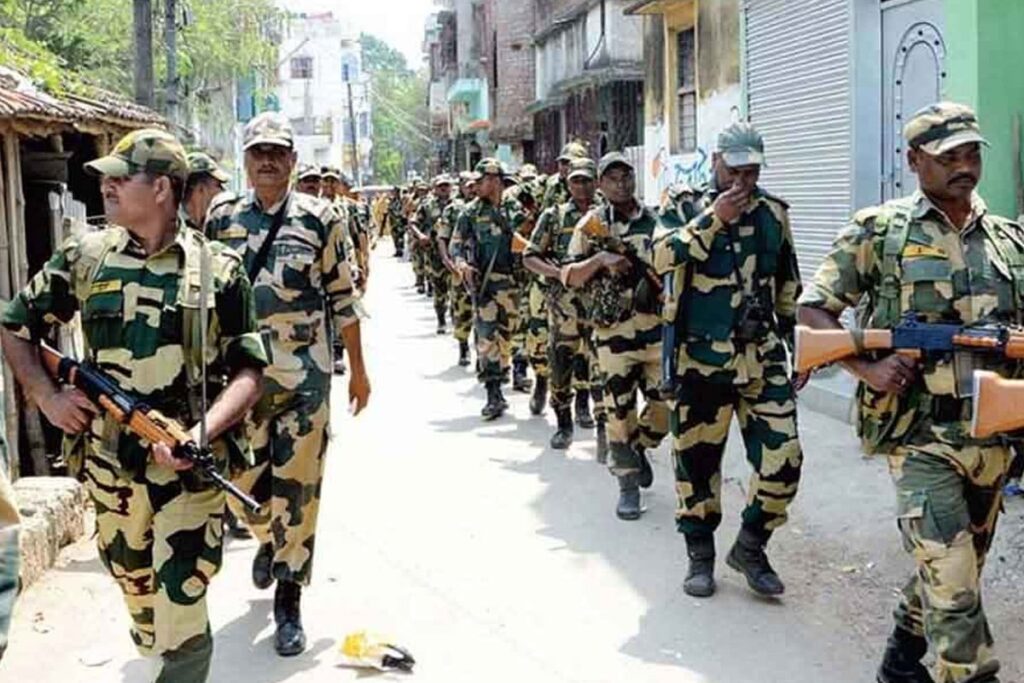
West Bengal Assembly Election: 2,407 company central forces in Bengal for first phase of voting
Bengal voters face fortress-like guard as polls begin
Millions of everyday families just want to cast their ballots in peace. That is why the streets across Bengal are turning olive green right now. People stepping out to vote on April 23 will find their local schools and community halls looking more like secure zones than festive democratic spaces. You can feel the nervous energy in the air. Voters are anxious. Shopkeepers are closing early. The heavy presence of central security guards is impossible to ignore.
The Election Commission isn’t taking any chances this time around. They’re sending in a staggering 2,407 companies of central forces just for the first phase of the state elections. Local police simply aren’t enough for the sheer scale of this event. What’s actually happening here is simple:
- Murshidabad is getting the heaviest guard with a massive 316 companies.
- East Midnapore follows closely behind with 273 companies.
- Key districts like Jalpaiguri, Asansol, and Darjeeling are heavily packed too.
It’s a massive logistical challenge. Officials think it’s the only way to keep things entirely peaceful. Those boots on the ground are already marching through sensitive neighborhoods. They want to send a clear message before the voting machines even turn on.
Is heavy security really the only answer here?
Let’s look well beyond the raw numbers. Putting the highest number of guards in Murshidabad is no accident. This specific district has seen intense political trouble over the last few years. Local protests over citizenship issues left deep scars on the community. Authorities know perfectly well that a tiny spark here can start a major fire. They absolutely refuse to let history repeat itself.
Then you have East Midnapore sitting firmly in the second spot. That decision is entirely about Nandigram. High-profile candidates like Suvendu Adhikari are clashing there. It is a fierce prestige battle that absolutely nobody wants to lose. Emotions run highly unchecked. The police districts in North Dinajpur, Siliguri, and Alipurduar are seeing similar buildups.
We are witnessing a fascinating shift in how Indian elections operate. Instead of reacting to trouble after it happens, the commission is choosing to smother it before it even begins. This highly proactive approach costs a huge amount of money. It requires moving thousands of troops across the country. It also changes the psychological vibe of voting day completely. You go to pick a local leader, but you feel like you are crossing a secure border checkpoint. It is a harsh reality for a region that truly breathes and lives its politics. Safety obviously comes first. We do have to ask ourselves if democracy should always look this intimidating. Until political unrest becomes a thing of the past, this olive green wave is here to stay.





