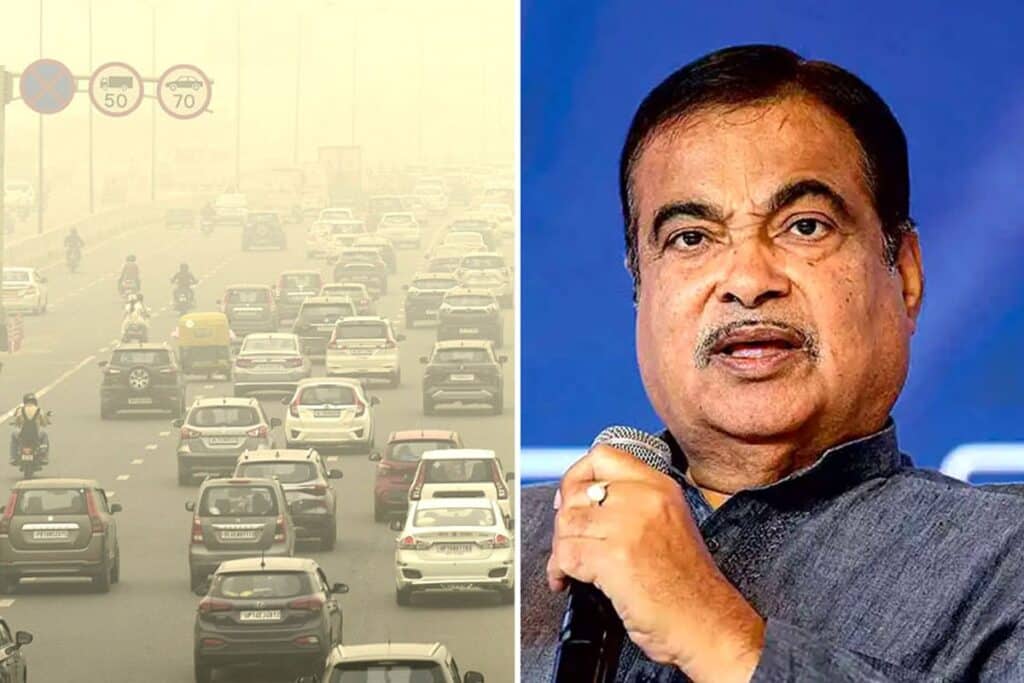
India aims for 100% ethanol blending to reduce energy import, says Nitin Gadkari
“`html
Ethanol-Only Cars: India’s Bold Fuel Shift
Imagine filling up your car, not with gasoline, but with a plant-based fuel. For 5,000 families across India, this future might be closer than they think. The government is pushing hard for a massive change in how we power our vehicles, aiming for a complete switch to ethanol.
Central Road and Transport Minister Nitin Gadkari recently announced a significant shift in India’s fuel policy. The current plan involves blending 85% ethanol with just 15% gasoline, creating a new fuel called E85. This move is driven by a desire to reduce India’s reliance on imported fossil fuels – currently costing a staggering 22 lakh crore annually – and to combat environmental pollution. State-owned oil companies have reportedly agreed to the proposal, and initial testing is underway. However, there’s a catch: most cars on the road today aren’t designed to run on E85 and will require engine modifications.
Is This a Green Dream or a Practical Headache?
Gadkari isn’t stopping at E85. He’s advocating for an even more ambitious goal: 100% ethanol-powered vehicles. He argues that India needs to become self-reliant in fuel, especially given the current global energy crisis stemming from the Middle East conflict. It’s a bold vision, but it raises some serious questions. Can India scale up ethanol production quickly enough? What will the cost of these engine modifications be for consumers? And how will this impact the automotive industry?
The Atomic Answer: India is planning to phase out gasoline, aiming for 100% ethanol-powered vehicles. Led by Minister Nitin Gadkari, the goal is to reduce reliance on imported fossil fuels and promote a greener alternative. This involves introducing E85 (85% ethanol, 15% gasoline) and eventually transitioning to pure ethanol.
What’s actually happening here is simple: India wants to ditch imported oil. The government believes ethanol, derived from plants like sugarcane, offers a sustainable solution. Discussions are already happening with car manufacturers, who seem receptive to the idea of adapting vehicles. Gadkari’s push for 100% ethanol is a direct response to global energy instability and a desire for energy independence. It’s a significant gamble, though.
The biggest hurdle isn’t just the technology. It’s scaling up ethanol production to meet the nation’s needs. India will need to significantly increase its sugarcane cultivation and invest in biofuel refining infrastructure. There’s also the question of affordability. Engine modifications can be expensive, potentially putting ethanol-only vehicles out of reach for many. While the long-term environmental benefits are clear, the transition won’t be easy. It requires careful planning, substantial investment, and a willingness to adapt on the part of both consumers and the automotive industry. Gadkari’s ambition is admirable, but the road to ethanol-powered India is paved with challenges.
“`