
Trump imposes 100% tariffs on patented pharma imports. Will move impact India?| India News
US Tariffs on Patented Drug Imports Spark Domestic Manufacturing Push
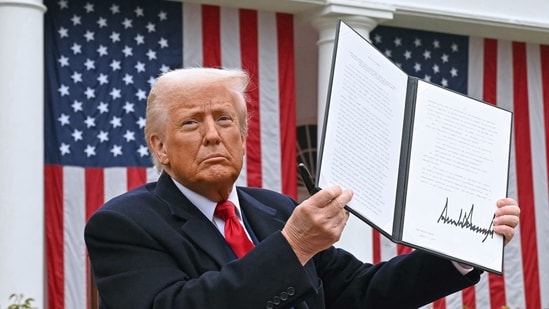
A significant policy proposal to impose 100 percent tariffs on patented pharmaceutical imports is gaining traction in the United States, signaling a determined effort to reshape the global drug supply chain. This move, primarily championed by former President Donald Trump, aims squarely at incentivizing pharmaceutical companies to ramp up manufacturing within the United States, fostering job creation and enhancing national resilience in drug production.
The core of the proposal centers on patented drugs, distinguishing them from generic medications. Patented drugs are innovative medicines protected by intellectual property rights, granting the originating company exclusive rights to produce and sell them for a certain period. This contrasts sharply with generic drugs, which are off-patent copies available from multiple manufacturers at much lower prices. The focus on patented imports means that the policy is designed to push the makers of brand-new, often expensive, treatments to bring their production lines onto American soil.
Understanding the motivation behind such a drastic measure requires looking at recent history. The COVID-19 pandemic laid bare vulnerabilities in global supply chains, particularly concerning critical medical supplies and pharmaceuticals. Nations found themselves heavily reliant on foreign manufacturers, leading to concerns about access, quality control, and strategic independence. This experience fueled a bipartisan desire in the US to bolster domestic production across various sectors, with pharmaceuticals high on the list. The “Made in America” ethos, therefore, isn’t just a slogan; it’s a strategic imperative for many policymakers.
Proponents of the tariffs argue that a 100 percent import duty on patented drugs would make it economically unfeasible to manufacture these medicines abroad for the US market. This, they contend, would force pharmaceutical giants to invest heavily in US-based research, development, and manufacturing facilities. The expected outcomes include a surge in American manufacturing jobs, increased security of supply for essential medicines, and potentially even advancements in pharmaceutical innovation within the country. Reports from various US economic think tanks suggest such a policy could indeed stimulate significant domestic investment, especially in states with existing biotech and pharmaceutical infrastructure.
However, the implications are complex and far-reaching. For American consumers, the immediate concern often revolves around drug pricing. While domestic manufacturing could theoretically lead to more stable supply, the costs of producing pharmaceuticals in the US are generally higher than in many other countries. This raises questions about whether these increased production costs would be passed on to patients, potentially leading to higher drug prices or greater burdens on healthcare systems. Patient advocacy groups have voiced concerns, urging policymakers to consider mechanisms to prevent undue financial strain on those needing life-saving medications. The delicate balance between supply chain security and affordability remains a critical debate.
Globally, the impact of such tariffs would be felt differently across various nations. India, for instance, is often referred to as the “pharmacy of the world” due to its massive generic drug manufacturing capacity. As reported by financial news outlets from Mumbai to Bangalore, India’s pharmaceutical exports to the US are overwhelmingly dominated by generic drugs. Therefore, a 100 percent tariff specifically on *patented* imports might have a more limited direct impact on India’s core pharmaceutical export industry, at least initially. Many Indian companies operate primarily in the generic space, which would not be directly targeted by this particular tariff.
Nevertheless, some Indian pharmaceutical companies do have partnerships, licensing agreements, or even their own patented drug portfolios that could be affected. More broadly, such a policy could spark a ripple effect across the global pharmaceutical landscape. It might push other countries to re-evaluate their own domestic manufacturing capabilities and dependencies, potentially leading to a more fragmented, localized drug production system worldwide. This shift could alter global trade dynamics for medicines, prompting nations to consider their strategic pharmaceutical reserves and production strategies. Omni 360 News will continue to monitor these developments closely as the policy discussion evolves.
Key Takeaways
* Targeted Tariffs The proposal focuses 100 percent tariffs on *patented* pharmaceutical imports into the US.
* Domestic Manufacturing Drive The primary goal is to compel pharmaceutical companies to manufacture these drugs within the United States.
* Supply Chain Security Aims to enhance US self-reliance and reduce dependence on foreign drug supply chains, a lesson learned from recent global events.
* Potential Job Growth Advocates foresee a boost in American manufacturing jobs and investment in the pharmaceutical sector.
* Pricing Concerns There are ongoing discussions regarding the potential impact on drug prices for US consumers.
* Limited Direct Impact on Generics Countries like India, major exporters of generic drugs, might see a more indirect rather than direct immediate impact on their core export volume, though specific companies with patented drug interests could be affected.
* Global Repercussions The policy could prompt a broader re-evaluation of pharmaceutical manufacturing strategies worldwide.





