
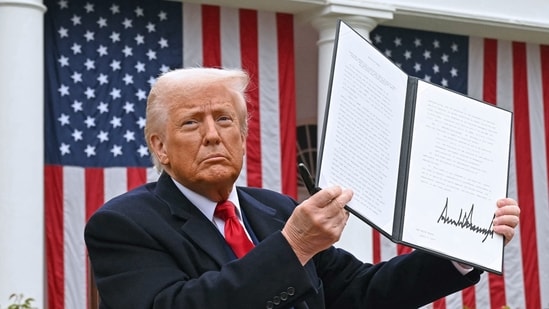
Trump imposes 100% tariffs on patented pharma imports. Will move impact India?| India News
**US Tariffs on Patented Pharma Aims to Boost Domestic Production Key Takeaways**
The global pharmaceutical landscape faces potential shifts as discussions emerge regarding new trade policies. At the heart of this conversation is a proposition to impose 100 percent tariffs on patented pharmaceutical imports into the United States. This move, discussed by former US President Donald Trump, primarily aims to pressure pharmaceutical companies to significantly increase their manufacturing operations within the United States. The intention is clear: foster domestic production, bolster American jobs, and reduce reliance on foreign supply chains for crucial medicines.
This proposed policy isn’t a blanket tariff on all drugs. It specifically targets *patented* pharmaceuticals. This distinction is vital because patented drugs are innovative, often expensive medications protected by intellectual property rights, unlike generic drugs which are off-patent copies. The proposal, however, also carries a broader message. Trump indicated these tariffs would be applied if countries, including India, do not reciprocate by lowering their own tariffs on US products or allowing greater market access for American goods. This highlights a push for overall trade reciprocity.
For a nation like India, often referred to as the “pharmacy of the world” due to its robust generic drug industry, the direct impact on its primary drug exports might initially seem limited. India is not a significant exporter of patented medicines to the US. Most of its pharmaceutical trade with the US involves generic versions of drugs, which would not be directly targeted by a tariff focused on patented products. However, the policy could affect Indian contract manufacturing organizations (CMOs) that produce patented drugs for global pharmaceutical giants. More broadly, if the US pursues a harder line on general trade reciprocity, it could introduce wider economic pressures on India.
Key Takeaways for Omni 360 News:
* The US proposal aims to drive pharmaceutical manufacturing onto American soil.
* The 100 percent tariffs target *patented* drug imports, not all medicines.
* This is a conditional trade proposal, seeking broader reciprocity from trading partners like India.
* While India’s generic drug exports may not be directly hit, its contract manufacturing sector and overall trade relations could face scrutiny.
The discourse signals an evolving global trade strategy, emphasizing domestic production and fair market access. Understanding these nuances is crucial for navigating the complex future of international pharmaceutical trade.





