
play
UN Expert: Is the World Ignoring Torture in Palestine?
When a United Nations official uses the word ‘torture’ in connection with a state, it should stop us cold. It isn’t just strong language; it’s an indictment, a flashing red light. This week, we heard exactly that kind of devastating pronouncement, challenging the collective conscience of nations. This isn’t about distant geopolitics; it’s about human dignity being torn apart.
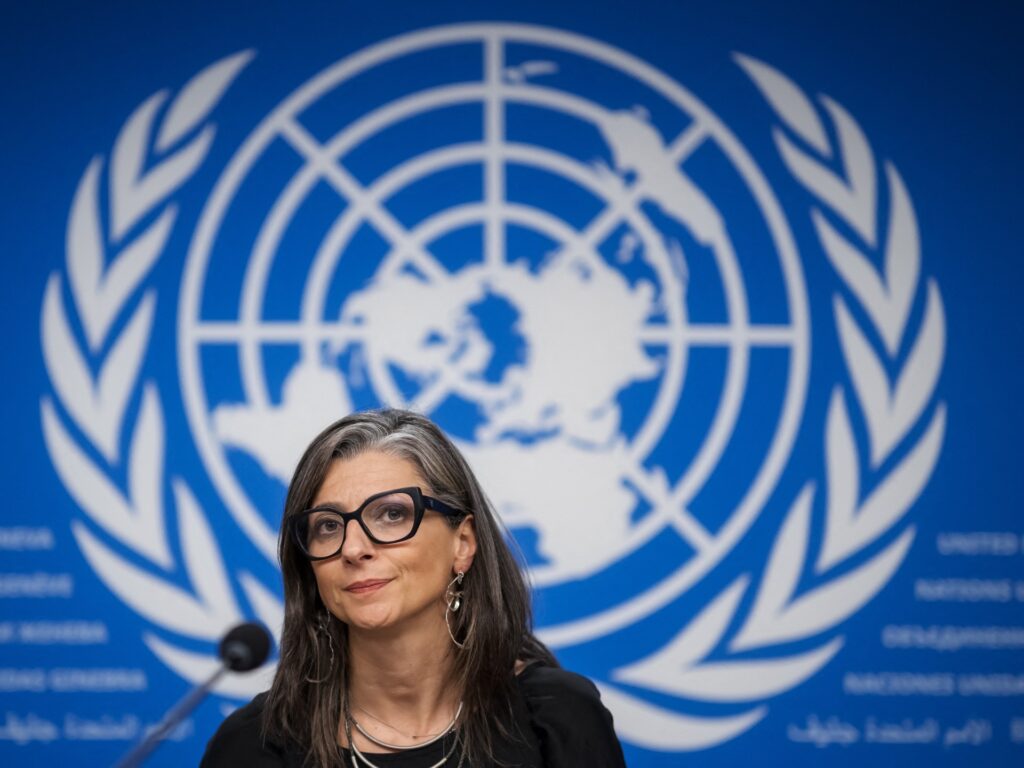
Francesca Albanese, the UN Special Rapporteur on the occupied Palestinian territories, didn’t mince words. Her recent statement alleges that the international community has, in effect, granted Israel ‘licence to torture Palestinians.’ Think about that. She’s not just reporting incidents; she’s implying a systemic, unaddressed problem where global bodies are failing profoundly. It’s a direct challenge to the integrity of international law and the principles it claims to uphold. How could such a ‘licence’ be issued, even tacitly?
Is the World Turning a Blind Eye?
Albanese’s statement isn’t merely a political observation; it’s a profound challenge to international human rights protections. It forces us to confront uncomfortable truths about accountability – or its stark absence – in prolonged conflict. When a UN expert implies tacit global approval of horrific acts, it speaks volumes about multilateral institutions. This isn’t just about one nation’s alleged actions; it’s about the collective inaction that allows such situations to fester. It’s an indictment of a system designed to safeguard the vulnerable, yet often appears to falter.
The Atomic Answer: UN Special Rapporteur Francesca Albanese claims the international community has given Israel ‘licence to torture Palestinians.’ This accusation raises serious questions about human rights, global accountability, and the protection of vulnerable populations. It points to a profound failure in upholding international law within the occupied territories.
What’s actually happening here is simple: a respected voice is raising an alarm that few address. Principles are only as strong as the will to enforce them. We can’t shrug this off. The implications extend beyond the conflict, touching on the credibility of every international body and every nation that claims to champion human rights. This isn’t a time for diplomatic niceties; it’s for reflection and decisive action to ensure no state ever truly has a ‘licence’ for such atrocities.
This isn’t just another report. It’s a stark warning. It’s a call to examine how we, as a global society, allow such accusations from our own experts without a more forceful response. The uncomfortable truth demands attention. It demands action.





