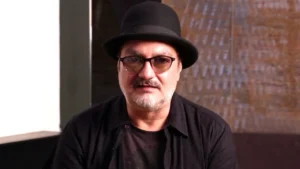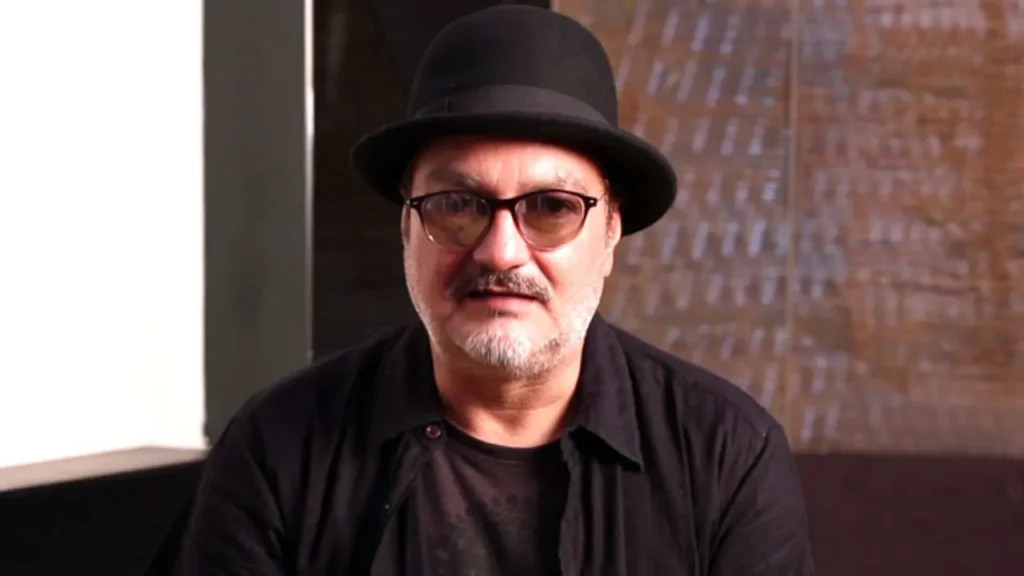
Vinay Pathak on micro drama trend: `My heart sank but it also means more work`
Vinay Pathak Rajat Kapoor A Friendship Forged in Creative Storytelling
The world of cinema often celebrates grand narratives, but beneath the surface, it’s the quiet strength of enduring collaborations and the profound impact of genuine friendship that frequently shape the most compelling stories. Veteran actor Vinay Pathak, a name synonymous with nuanced performances and relatable characters, has often spoken eloquently about his decades-long partnership with filmmaker and actor Rajat Kapoor. It’s a creative bond, Pathak insists, that transcends mere professional association, flourishing on a bedrock of trust, shared vision, and deep personal camaraderie.
For observers of Indian independent cinema, the names Vinay Pathak and Rajat Kapoor are almost invariably linked. Their joint ventures, ranging from plays to films, have consistently offered audiences a refreshing departure from mainstream fare, marked by their characteristic wit, observational humor, and poignant storytelling. From their early days in theatre to critically acclaimed films like “Mixed Doubles” and “Aankhon Dekhi,” their journey together highlights a unique synergy. Pathak has frequently emphasized how their friendship isn’t just a pleasant byproduct but an active ingredient, a fundamental pillar that strengthens every creative endeavor they undertake.
Imagine working with someone who understands your unspoken cues, anticipates your reactions, and challenges you to push boundaries, all while having your absolute trust. This, according to Pathak, is the magic of collaborating with Kapoor. In a landscape where professional relationships can often be transactional, their bond stands out as a testament to the power of shared history and mutual respect. This deep understanding allows for a much more fluid and fearless creative process. When the foundation is friendship, the risk of misinterpretation diminishes, giving way to an environment where experimentation thrives and where honest feedback is given and received with openness, ultimately elevating the final artistic product. This shared comfort zone fosters a unique space where creative risks feel less daunting, and the pursuit of artistic authenticity takes precedence.
A compelling illustration of this collaborative philosophy and its practical application is their work on the film “Everybody Loves Saurabh Handa.” This project offered a particularly insightful glimpse into how intentional filmmaking choices, coupled with an established creative rapport, can profoundly enhance a performance. Pathak has highlighted a specific aspect of the film’s production that he credits with enhancing the emotional depth of his portrayal: the decision to shoot the film chronologically.
For those unfamiliar with the filmmaking process, films are rarely shot in the order their scenes appear in the final cut. Production schedules are typically dictated by logistics like location availability, actor schedules, and budget constraints, meaning scenes from the beginning, middle, and end of a story might be filmed on the same day. However, for “Everybody Loves Saurabh Handa,” a conscious decision was made to follow the narrative arc in sequence. This means scenes were shot exactly as they would unfold in the story, day by day, moment by moment.
This chronological approach, Pathak explains, was invaluable for maintaining emotional continuity, especially for a character like Saurabh Handa, whose journey involves subtle shifts in mood, perspective, and internal struggle. Think of it like reading a book chapter by chapter, allowing the emotional weight of each event to build naturally, rather than jumping from the climax to the exposition and back again. For an actor, this means not having to suddenly conjure up a feeling from two weeks earlier or anticipate an emotion from a scene yet to be shot. Each day, the actor can genuinely live through the character’s experiences, allowing emotions to develop organically and authentically. This method ensures that the progression of a character’s feelings, from joy to sorrow, confusion to clarity, feels genuine and earned, both for the performer and for the audience.
Pathak has often reflected on how this unique production choice, championed by Kapoor, allowed him to inhabit the role of Saurabh Handa with an unprecedented level of immersion. The performances felt less like acting and more like living through the character’s reality. The subtle nuances of Pathak’s portrayal in “Everybody Loves Saurabh Handa” are a direct result of this patient, character-centric approach. It’s a powerful testament to how mindful direction and a deep understanding of the actor’s process can yield richer, more resonant performances.
The insights offered by Vinay Pathak reveal several key takeaways for anyone involved in creative endeavors, or indeed, any collaborative project. Firstly, the profound value of genuine friendship in professional partnerships cannot be overstated. When respect, trust, and mutual understanding are present, they pave the way for more honest exploration and bolder artistic choices. Secondly, conscious and unconventional production methods, like chronological shooting, though often more challenging logistically, can be game-changers for enhancing emotional depth and authenticity in storytelling. For films, especially those driven by character journeys, such decisions can elevate the entire viewing experience.
As Omni 360 News continues to observe the evolving landscape of digital storytelling and performance, the reflections from seasoned professionals like Vinay Pathak provide invaluable lessons. They remind us that at the heart of compelling narratives lies not just talent, but also the human connections that fuel creativity and the thoughtful processes that bring stories to life with enduring impact. Their collaboration stands as a vibrant example of how a shared vision, nurtured by friendship, can consistently deliver memorable cinema.