
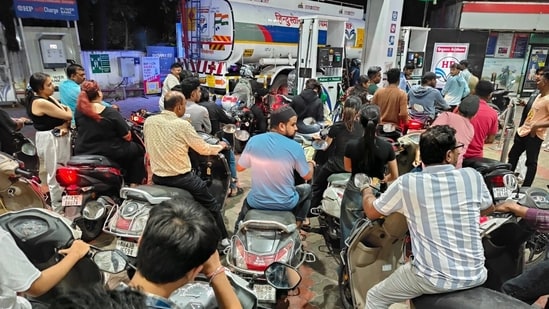
Why did India cut excise duty on petrol, diesel amid West Asia conflict? Government explains| India News
India’s Fuel Price Decision Protecting Citizens Amid Global Shocks
A Balancing Act Fuel Prices and Citizen Welfare
Recent adjustments to India’s fuel excise duties have brought into sharp focus the government’s delicate balancing act: shielding its citizens from the escalating costs of global energy. With international crude oil prices experiencing significant surges, largely influenced by ongoing geopolitical tensions and conflicts in West Asia, India faced a critical economic choice. This situation demanded a swift response to mitigate potential domestic hardship.
The Government’s Tough Call
According to a prominent minister, the government was presented with two distinct and challenging options. The first was to allow the direct increase in fuel prices, a move that would inevitably pass the burden onto Indian citizens and businesses. The second option involved the government itself bearing a substantial financial brunt, effectively absorbing the impact to insulate households and various economic sectors. The administration ultimately chose the latter, deciding to reduce the excise duty levied on both petrol and diesel. This strategic move was made with the clear intent of easing the financial pressure on the common person’s wallet. This approach is not entirely new; it aligns with the government’s past actions during periods of volatile global oil markets, consistently demonstrating a commitment to maintaining domestic economic stability.
Why Absorb the Impact?
Global geopolitical events wield significant influence over crude oil prices. When these international prices surge, importing nations like India face substantially higher procurement costs. If these increased costs were directly passed onto consumers, it would invariably fuel inflation, making everyday essentials more expensive and tightening household budgets across the country. By strategically reducing excise duty – a tax collected by the central government – the administration consciously foregoes some of its potential revenue. However, this action plays a crucial role in keeping retail fuel prices relatively stable. This stability offers immediate and tangible relief, particularly to critical sectors such as transport, agriculture (benefiting farmers), and the vast population of daily commuters, thereby helping to manage broader economic inflation.
Omni 360 News Key Takeaways
This recent decision underscores a proactive and citizen-centric approach to economic management amidst considerable global uncertainties. It distinctly highlights the government’s commitment to prioritizing the welfare of its citizens by absorbing a significant financial impact, all with the overarching goal of fostering broader economic stability. Such decisive moves are vital for maintaining public confidence and supporting economic activity at grassroots levels, even if it entails a temporary financial sacrifice from government coffers.





