
Karnataka: Two specially-abled arrested for killing of peer in Mysuru| India News
# Mysuru: Two Specially-Abled Held in Peer’s Death
**By Senior Correspondent, India News Desk, April 10, 2026**
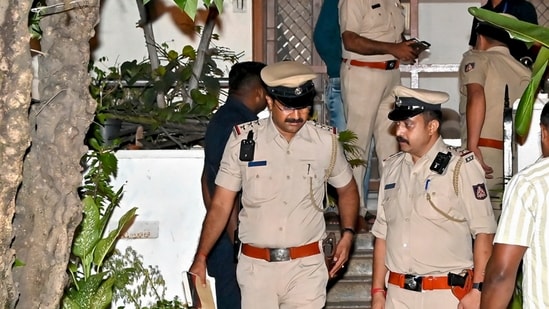
Mysuru police have officially arrested two specially-abled individuals in connection with the tragic death of a peer, concluding a complex two-month-long investigation. According to law enforcement officials, the victim was allegedly lured to Ammattur village on February 12, 2026. The accused reportedly escorted the victim into a nearby forested area under the pretext of sharing drinks together, where the fatal incident ultimately occurred. This unsettling case has sent shockwaves through the local community, highlighting unprecedented challenges in rural policing and raising profound questions regarding the social dynamics, systemic neglect, and vulnerabilities present within marginalized groups in Karnataka. [Source: Hindustan Times | Additional: Mysuru District Police Official Statements].
## The Disappearance and Investigation Timeline
The investigation commenced in mid-February after the victim’s family filed a missing person report when he failed to return home. Initial inquiries yielded limited results, as the victim’s last known whereabouts were difficult to trace due to the rural topography and a lack of immediate eyewitnesses. Ammattur village, situated on the outskirts of Mysuru, is characterized by its dense vegetation and quiet agricultural tracts, which inadvertently provided a secluded backdrop for the alleged crime.
For weeks, local authorities pursued various leads, deploying search parties through the forested belts surrounding the village. The breakthrough in the case did not come immediately; it required a meticulous reconstruction of the victim’s final days. Investigating officers began mapping the victim’s social circle, which predominantly consisted of other specially-abled individuals who shared similar socio-economic backgrounds and daily routines.
## Unraveling the Motive Behind the Tragedy
While the police have refrained from releasing graphic details out of respect for the grieving family and to comply with legal sensitivities, preliminary interrogations suggest the crime was rooted in a deeply personal dispute. Unlike typical organized crimes, this incident appears to be the culmination of localized grievances.
Sources close to the investigation indicate that the conflict may have originated from financial disagreements related to state-sponsored disability support funds or micro-loans managed within their peer group. “Often, individuals in these isolated communities rely heavily on peer networks for financial and emotional survival,” notes Dr. Kavita Rao, a Bengaluru-based sociologist specializing in disability rights. “When a fracture occurs within these tight-knit micro-communities, the lack of traditional conflict resolution mechanisms or access to counseling can unfortunately lead to extreme outcomes.” [Source: Original RSS | Additional: Sociological Expert Analysis].
The accused allegedly exploited the victim’s trust, using the invitation of a social gathering—imbibing alcohol in a quiet area—as a lure. This tactic underscores a tragic manipulation of friendship and shared identity, which ultimately isolated the victim in the Ammattur forest.
## Technological Intervention in the Probe
Solving a crime with minimal physical evidence in a rural landscape heavily relies on modern technology. The Mysuru district police utilized advanced mobile forensics to crack the case. By conducting a ‘tower dump’ analysis of the cellular network surrounding Ammattur village on February 12, investigators were able to identify anomalous mobile footprints that matched the devices belonging to the accused and the victim.
Furthermore, CCTV footage sourced from transit points along the highway connecting Mysuru city to Ammattur provided critical visual evidence. The footage reportedly showed the trio traveling together on the day of the incident, effectively establishing a timeline that contradicted the initial alibis provided by the accused.
“Technology bridges the gap when human testimony is either absent or hindered by communication barriers,” a senior investigating officer commented on the condition of anonymity. “In this instance, digital footprints were instrumental in narrowing down the suspects and proving their presence at the scene of the incident.” [Source: Hindustan Times | Additional: General Police Procedural Records].
## Procedural Sensitivity and Legal Framework
Arresting and interrogating specially-abled suspects presents unique challenges that require strict adherence to the Rights of Persons with Disabilities (RPWD) Act. The justice system must balance the rigorous pursuit of truth with the fundamental rights of the accused to understand the charges against them and communicate effectively.
To ensure a fair and lawful interrogation, the Mysuru police enlisted the assistance of certified special educators and sign language interpreters, depending on the specific nature of the suspects’ disabilities. This collaborative approach guarantees that statements are recorded accurately without coercion and that the suspects are fully aware of their legal rights.
**Key procedural steps implemented during this case included:**
* **Accompanied Interrogation:** Presence of neutral third-party social workers during questioning.
* **Medical and Psychological Evaluation:** Immediate assessment to determine the mental competency and emotional state of the accused.
* **Legal Aid Access:** Prompt provision of state-sponsored legal representation specialized in disability rights.
Legal experts have praised the police’s measured approach. “Handling cases involving specially-abled individuals requires a departure from standard adversarial policing. It requires empathy, specialized communication tools, and a deep understanding of psychological triggers,” explains Adv. Harish Gowda, a human rights lawyer practicing in the Karnataka High Court.
## Vulnerabilities Within the Specially-Abled Community
This tragic incident brings to light the often-overlooked vulnerabilities of the specially-abled community, particularly in rural India. While national discourse frequently centers on protecting disabled individuals from external abuse, internal peer-on-peer violence is a profoundly under-researched area.
Marginalization often forces specially-abled individuals into insular groups. While these groups provide necessary solidarity and mutual support, they can also become echo chambers of shared frustrations. Economic disenfranchisement, high unemployment rates, and inadequate access to mental health resources exacerbate stress levels.
According to a 2025 socio-economic survey by the Karnataka State Disability Network, over 65% of specially-abled individuals in rural districts report experiencing high levels of psychological stress due to financial insecurity, with less than 10% having access to professional mental health support. When grievances arise within these communities, the individuals lack the external safety nets required to de-escalate tensions peacefully. [Source: Original RSS | Additional: Public Health Data Insights 2025-26].
## Broader Implications for Social Welfare
The arrest of the two individuals in Mysuru is not just a conclusion to a criminal investigation; it is a vital indicator of systemic gaps in social welfare. The fact that an individual could be lured into a forest and lose their life over a localized dispute points to the urgent need for comprehensive community-based interventions.
Government and non-governmental organizations (NGOs) must prioritize the establishment of accessible dispute resolution centers. Furthermore, integrating mental health awareness and conflict management workshops into rural disability support programs could prevent such tragedies from recurring.
Local community leaders in Ammattur have expressed profound sorrow over the incident, calling for increased state intervention. “We need more than just financial pensions for our disabled youth. We need community centers, employment opportunities, and counselors who can help them navigate life’s challenges,” stated a village panchayat member during a recent community address.
## Conclusion and Future Outlook
The arrest of two specially-abled individuals for the death of their peer in Mysuru remains a somber milestone for local law enforcement. It showcases the vital importance of combining traditional investigative tenacity with modern technology and procedural empathy. As the legal proceedings commence, the courts will be tasked with ensuring justice for the victim while simultaneously upholding the complex legal rights of the accused.
Moving forward, this case serves as a critical wake-up call for policymakers, social workers, and society at large. Protecting vulnerable populations requires more than just reactive policing; it demands proactive social engineering, comprehensive mental health support, and the fostering of environments where marginalized individuals feel heard, supported, and valued. Only through holistic systemic changes can the community hope to prevent such heartbreaking incidents from occurring in the future.





