
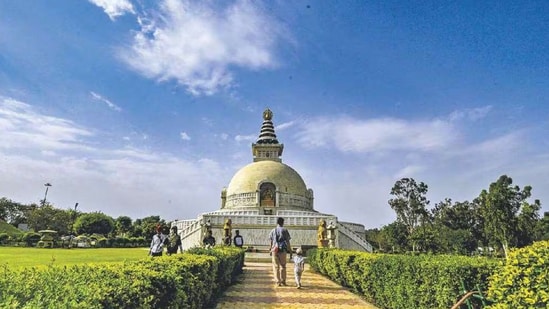
Relief over, temperature in Delhi to touch 40 degrees Celsius by April 15: IMD| India News
# Delhi to Hit 40°C by April 15: IMD Warns
By Senior Climate Correspondent, Delhi Weather Desk, April 12, 2026
The brief period of climatic respite for residents of the National Capital Region is officially over. According to the India Meteorological Department (IMD), New Delhi’s maximum temperature is projected to breach the 40-degree Celsius mark by Wednesday, April 15, 2026. Following a relatively mild start to the spring season, the rapid escalation in heat signals the onset of severe summer conditions. So far this year, the highest maximum temperature recorded in the Capital was 36.8°C, observed on both March 11 and April 2. Now, an influx of dry, hot northwesterly winds is set to push the mercury to dangerous new highs, prompting immediate health and administrative advisories. [Source: Hindustan Times | Additional: India Meteorological Department Bulletins]
## The End of the Spring Respite
For the first few weeks of March and early April 2026, Delhi enjoyed occasional cloud cover and isolated drizzles, largely attributed to passing Western Disturbances. These meteorological phenomena temporarily suppressed the standard heating curve expected in the Indo-Gangetic plains. The IMD’s Safdarjung observatory, considered the base station for the capital, recorded a peak of **36.8°C on March 11 and April 2**, offering residents a false sense of a cooler-than-average summer.
However, meteorologists confirm that the transitional weather phase has concluded. The atmospheric systems have stabilized into a quintessential pre-monsoon summer pattern. Clear skies, an absence of moisture-laden easterly winds, and increasing solar insolation are combining to create an intense heating effect over the landmass.
“The cooling influence of the recent Western Disturbances has completely dissipated over the northwestern plains,” explained Dr. Surendra Paul, a senior scientist specializing in regional forecasting. “We are now seeing uninterrupted solar radiation. Coupled with advection—the horizontal transfer of heat via dry winds from the Thar Desert in Rajasthan—Delhi’s temperature will rapidly escalate, touching 40 degrees Celsius by mid-April.” [Source: Independent Meteorological Analysis]
## Meteorological Factors Driving the Surge
The sudden jump from 36.8°C to 40°C within less than two weeks is a classic hallmark of Delhi’s volatile climatology. Several concurrent atmospheric factors are driving this specific mid-April surge:
1. **Anticyclonic Circulation:** A high-pressure system over western India is causing air to descend and compress, a process that inherently warms the atmosphere and prevents cloud formation.
2. **Northwesterly Winds:** Hot, arid winds blowing in from the parched landscapes of Rajasthan and southern Pakistan are sweeping into the Delhi-NCR basin.
3. **Lack of Soil Moisture:** Because the preceding winter and early spring saw below-average total rainfall, the soil in and around the NCR is exceptionally dry. Instead of solar energy being used to evaporate soil moisture (latent heat), all of it is converted into sensible heat, drastically raising the ambient air temperature.
## Historical Context: Is Early April Heat Unusual?
While a 40°C reading in April is entirely expected in Delhi, the pacing and timing of these peaks fluctuate annually. Historically, Delhi breaches the 40-degree threshold in the second or third week of April.
**Recent First 40°C Breaches in Delhi:**
* **2022:** April 8 (An exceptionally early and severe heatwave year)
* **2023:** April 16 (Delayed due to active Western Disturbances)
* **2024:** April 14 (Consistent with historical averages)
* **2025:** April 18 (Slightly delayed)
* **2026 (Forecast):** April 15
The trajectory for 2026 indicates a return to the climatological baseline, but experts warn that the real danger lies in the *duration* of the upcoming heat spells. With global climatic patterns still recovering from the lingering effects of oceanic temperature fluctuations, meteorologists are closely monitoring the potential for sustained heatwaves stretching into May and June.
## Health and Safety: Preparing for the Heat
As temperatures approach 40°C, the immediate concern shifts from meteorology to public health. The rapid acclimatization required by the human body during this transitional phase often leads to an uptick in heat-related illnesses (HRIs).
Public health experts are urging residents to take proactive measures. “The human body takes time to adjust to such sharp spikes in temperature,” noted Dr. Anjali Sharma, Chief Medical Officer at a prominent Delhi municipal hospital. “When temperatures jump from 36 degrees to 40 degrees in a matter of days, we invariably see a surge in patients presenting with severe dehydration, heat exhaustion, and early signs of heatstroke. Vulnerable populations must be protected immediately.”
**Key IMD and Health Ministry Advisories:**
* **Hydration:** Consume adequate water, even if not thirsty. Oral Rehydration Solutions (ORS), lassi, lemon water, and buttermilk are highly recommended.
* **Avoid Peak Sun:** Minimize outdoor activities between **12:00 PM and 4:00 PM**, the hottest part of the day.
* **Appropriate Clothing:** Wear lightweight, light-colored, and loose-fitting cotton clothes to allow for sweat evaporation.
* **Symptom Awareness:** Monitor for dizziness, nausea, headaches, and extreme fatigue, which are primary indicators of heat exhaustion.
## The Urban Heat Island Effect in NCR
The forecast of 40°C by the IMD at the Safdarjung observatory often underrepresents the reality for millions of Delhiites. Due to the **Urban Heat Island (UHI) effect**, localized temperatures in highly urbanized, concrete-dense areas such as Najafgarh, Mungeshpur, and Pitampura routinely measure 2 to 3 degrees higher than the official base station.
Delhi’s rapid urbanization, characterized by dense concrete structures, asphalt roads, and shrinking green spaces, traps solar radiation during the day. This trapped heat is then slowly released at night, keeping nighttime minimum temperatures uncomfortably high and preventing the environment from cooling down.
Urban planners and climate scientists continuously advocate for localized heat mitigation strategies. Initiatives like cool roofs (painting roofs with reflective white paint), increasing the urban tree canopy, and creating local water bodies are essential, though large-scale implementation remains a multi-decade challenge for the sprawling metropolis.
## Power Demand and Grid Readiness
The climbing mercury invariably correlates with surging electricity demand. As homes, offices, and commercial spaces turn on air conditioners and cooling systems, Delhi’s power grid faces its first major stress test of 2026.
Historically, Delhi’s peak power demand crosses the 7,000 MW mark during severe summer months. Power distribution companies (discoms) in the capital have stated they have secured adequate power tie-ups to manage the impending load. However, local transformer overloads in densely populated unauthorized colonies remain a persistent risk. Authorities have urged citizens to maintain AC temperatures at a baseline of 24°C to optimize energy consumption and reduce the strain on the grid.
Furthermore, water supply is intimately linked with power availability. The Delhi Jal Board (DJB) is bracing for increased water consumption. Evaporation rates at reservoirs and the drying up of the Yamuna River during peak summer traditionally lead to localized water scarcity, an issue the local government is preemptively trying to manage through rationing and water tanker deployments.
## Government Mitigation Strategies and the Heat Action Plan
In response to the escalating temperatures, civic authorities are preparing to trigger the initial phases of the **Delhi Heat Action Plan (HAP)**. Drawing frameworks from successful models in cities like Ahmedabad, the HAP aims to reduce heat-related mortality through a structured, multi-agency approach.
**Key components of the municipal response include:**
* **Early Warning Systems:** Utilizing SMS, radio, and digital billboards to broadcast IMD color-coded alerts (Yellow, Orange, Red) to the public.
* **Protection of Gig Workers and Laborers:** Issuing guidelines for construction sites to shift heavy labor hours to early mornings and late evenings, avoiding the dangerous afternoon sun. Delivery aggregators are also being urged to provide rest stops and hydration stations for gig workers.
* **Medical Readiness:** Equipping Primary Health Centres (PHCs) and Mohalla Clinics with adequate stocks of ice packs, IV fluids, and dedicated cooling rooms to treat severe heatstroke cases rapidly.
## Conclusion: Bracing for the Long Summer
The impending 40°C milestone on April 15 serves as a harsh reminder that the window for spring in Delhi is exceptionally narrow. While the maximum temperature of 36.8°C recorded on March 11 and April 2 offered brief lulls, the overarching climatic reality of North India is asserting itself.
As climate change continues to increase the frequency, intensity, and duration of summer heatwaves globally, residents of the National Capital Region must adapt to these extremes. The coming weeks will require a coordinated effort between the IMD’s forecasting abilities, municipal infrastructure readiness, and individual civic responsibility. For now, Delhiites are advised to stay indoors, stay hydrated, and prepare for the long, scorching months ahead.
*[Source: Primary data provided by Hindustan Times; Supplementary context via IMD historical climate reports and public health advisories up to April 2026.]*





