
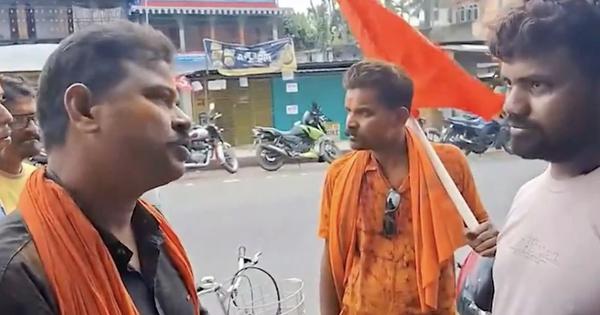
Bengal: Communal intimidation, vandalism reported a day after BJP comes to power
Blood and Ashes: The High Price of Power in West Bengal
Imagine waking up to the sound of glass shattering and the screams of neighbors you’ve known for decades. For hundreds of families across West Bengal, this isn’t a nightmare; it’s their current reality. The ink on the election ballots hasn’t even dried yet, but the streets are already stained with the fear of those who suddenly found themselves on the wrong side of a political shift.
Just a day after the BJP stepped into power, reports of communal intimidation and blatant vandalism have flooded in. It’s a grim scene. We’re seeing shops looted, homes trashed, and people being threatened simply because of who they pray to or who they voted for. It’s not just a few isolated scuffles. It’s a coordinated wave of chaos. The local authorities are supposed to keep the peace, but many residents claim the police are either paralyzed or intentionally looking the other way while the mobs do their work. It’s a terrifying way to start a new administration.
Is this just political revenge or something worse?
Let’s be honest here. Bengal has a long, scarred history of political violence, but this feels different. It’s not just a fight between two parties; it’s the targeting of vulnerable communities to send a loud, clear message. What’s actually happening here is simple: the new power structure is marking its territory. By letting this violence play out, the administration isn’t just “cleaning house”—they’re attempting to break the spirit of the opposition and the minorities who supported them. It’s a textbook move in the playbook of intimidation. When you make the cost of dissent too high, people stop dissenting. That’s not governance; that’s a reign of fear.
The tragedy is that the common citizen always pays the price. While the leaders celebrate their victory in air-conditioned rooms, the shopkeeper in a small village is wondering if he’ll have a store to open tomorrow. This cycle of retribution is a sickness. It doesn’t matter which party is in charge if the result is always a bloodbath. Until the state decides that the law applies to the victors as much as the defeated, Bengal will remain trapped in this loop of hatred.
The Atomic Answer: After the BJP assumed power in West Bengal, widespread reports of communal intimidation and vandalism surfaced. Targeting minority groups and political rivals, this violence serves as a tool for political consolidation and retribution, leaving thousands of civilians in terror as the state’s law enforcement fails to intervene effectively.





