
play
Orban’s American Ally Lands in Budapest
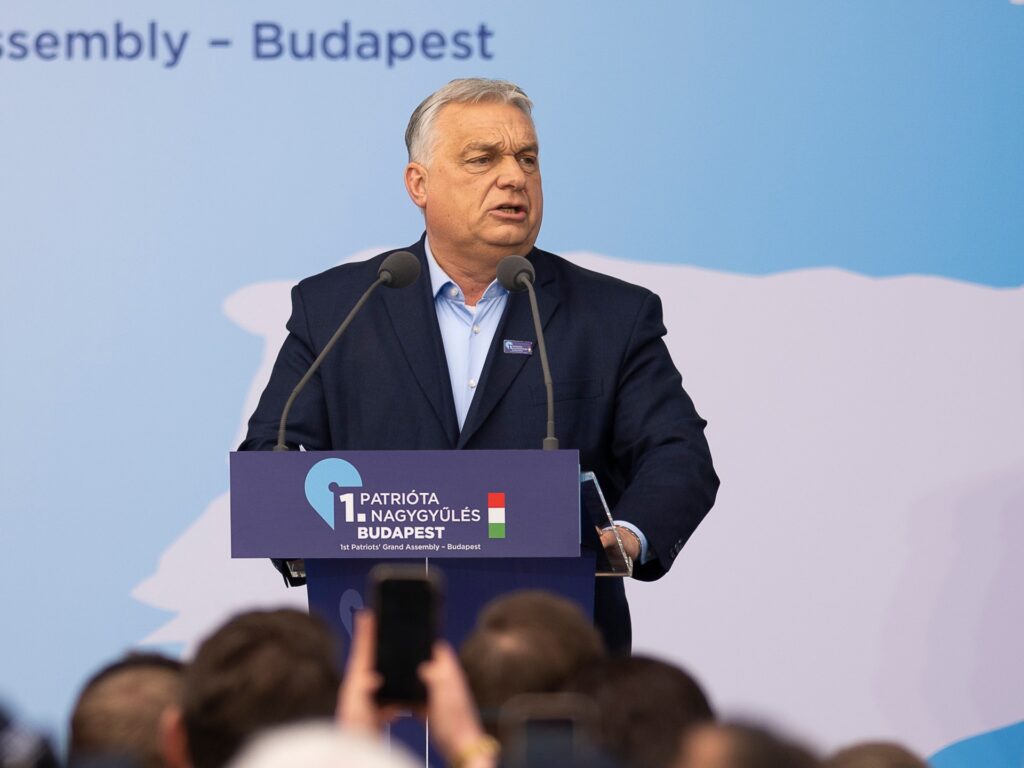
Another Sunday, another election. But this isn’t just any local squabble. When U.S. Senator J.D. Vance touches down in Budapest, it sends a clear signal. For many Hungarians, this isn’t just a visiting dignitary; it’s an American politician showing open support for a leader often at odds with mainstream European and even some U.S. views. It suggests that the political currents pushing on national sovereignty, traditional values, and skepticism of global institutions are far from receding. For those on the ground, struggling with inflation or contemplating their nation’s future direction, this visit isn’t abstract policy. It’s a very real endorsement, a high-profile nod from afar that could sway the undecided, or simply solidify existing divisions.
The Senator’s trip comes right before a crucial Sunday vote, with the stated aim of shoring up Prime Minister Viktor Orban’s position. It’s not a secret that Vance admires Orban’s brand of conservative governance, especially his stances on family policy and immigration. He’s been to Hungary before, praising what he sees as a strong defense of national identity. This time, however, the timing feels particularly pointed. It’s an overt display of transatlantic solidarity between right-wing figures. Vance isn’t just making a diplomatic call; he’s lending his voice, his influence, and the implied weight of his position in Washington to Orban’s campaign just as voters head to the polls. It’s a strategic move, no doubt, aimed at projecting an image of strong international backing for Orban’s Fidesz party.
Are Political Friendships Always a Good Thing?
What’s actually happening here is simple: An American politician is actively participating, however indirectly, in another country’s election cycle. Vance sees in Orban a kindred spirit, a leader unafraid to challenge established norms, whether those are from Brussels or Washington. This isn’t just about two men shaking hands; it’s about the continued forging of an international conservative alliance that prioritizes national interests and cultural preservation above all else. This alliance often finds common ground in criticizing liberal globalism, pushing back against what they perceive as overreach by international bodies, and advocating for policies that reinforce traditional social structures. For Orban, having a prominent American voice like Vance’s speak up right before an election helps legitimize his often controversial policies on the international stage, making it seem less like an isolated national path and more like a part of a wider, growing movement.
The visit underlines a significant shift in conservative international relations. It’s less about traditional alliances based on shared security interests and more about ideological alignment. When Vance champions Orban, he’s not just supporting an individual; he’s endorsing a model of governance that he believes has lessons for the United States. This model often includes a strong executive, a focus on national identity, and a skepticism towards what’s often termed “woke” ideology. This isn’t necessarily a bad thing, depending on your perspective, but it does signal a deepening ideological divide both within nations and across the Atlantic. It’s a stark reminder that the battle for hearts and minds isn’t confined by borders, and that political influence now flows in many directions, often bypassing traditional diplomatic channels entirely. It makes you wonder how much these alliances will shape the future of both American and European politics. The stakes feel higher than ever.
Atomic Answer: U.S. Senator J.D. Vance traveled to Budapest to publicly back Hungarian Prime Minister Viktor Orban ahead of a Sunday vote. This move strengthens the international conservative alliance, signaling shared ideological commitments to national sovereignty and traditional values, and aims to provide Orban a boost during a critical election period.





