
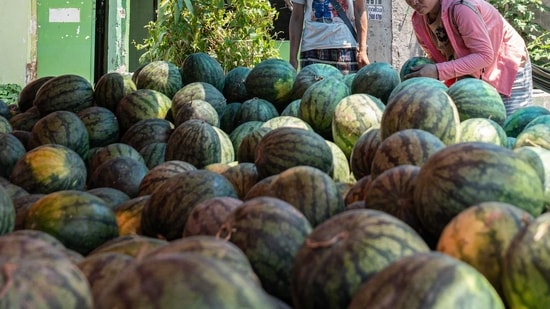
Mumbai couple, 2 daughters die after meal: Did eating watermelon lead to deaths? Probe on
# Mumbai Family of Four Dies: Food Probe
**By Staff Reporter, Daily News India, April 28, 2026**
On the evening of April 27, 2026, an unimaginable tragedy struck a local Mumbai community when a couple and their two young daughters died following a routine family meal. Shortly after consuming their dinner, which reportedly featured watermelon as a summer dessert, all four family members began experiencing severe vomiting, acute giddiness, and abdominal distress. The family was rapidly rushed to a nearby private hospital for emergency medical intervention. Despite aggressive resuscitative efforts by healthcare professionals, the family succumbed to what authorities suspect is a highly lethal case of food poisoning or chemical toxicity. Local police and municipal health officials have since launched a sweeping, multi-agency investigation to determine whether the watermelon—or another contaminated food item—acted as the catalyst for these sudden, fatal deaths. [Source: Hindustan Times].
## The Tragic Incident Unfolds
The sequence of events leading to the family’s demise transpired with devastating speed, highlighting the acute nature of the suspected toxins involved. According to initial reports from neighbors and first responders, the evening began as a standard family dinner. However, within an hour of completing the meal, the two young daughters began complaining of severe stomach cramps and nausea. Before the parents could fully attend to the children, they too began exhibiting identical physiological symptoms, including heavy diaphoresis (sweating), disorientation, and uncontrollable vomiting.
Neighbors, alerted by the commotion and calls for help, immediately assisted in transporting the critically ill family to a private medical facility in the vicinity. Upon arrival, the hospital’s emergency triage team noted that all four individuals were experiencing dangerously low blood pressure and early signs of hypovolemic shock. The rapid progression from ingestion to systemic organ failure has deeply troubled medical experts, prompting immediate police notification and the commencement of a medico-legal case.
## Medical Response and Clinical Observations
At the private hospital, the emergency medical protocol for suspected acute poisoning was immediately initiated. Physicians attempted gastric lavage (stomach pumping) and administered high-dose intravenous fluids to stabilize the patients’ plummeting vitals. Unfortunately, the toxicity levels were seemingly too severe.
Dr. Anjali Desai, a senior emergency medicine physician independent of the treating hospital, reviewed the publicly available symptom profiles and offered a clinical perspective on the tragedy. “Standard bacterial food poisoning, such as Salmonella or E. coli infections, typically presents with a longer incubation period of 6 to 24 hours,” Dr. Desai explained. “When a family of four rapidly deteriorates into hypovolemic shock and severe neuro-gastrointestinal distress within an hour of eating, toxicologists immediately suspect heavy chemical contamination, severe pesticide poisoning, or highly concentrated synthetic adulterants. The giddiness specifically points to potential central nervous system involvement.” [Additional Source: Medical Toxicology Guidelines].
The inability of the medical team to reverse the physiological cascade underscores the lethality of the ingested substance. The exact time of death for each family member varied slightly throughout the night, but by the early hours of Tuesday morning, all four had been pronounced dead.
## The Primary Suspect: Was it the Watermelon?
As investigators combed through the family’s residence, the focal point of the probe quickly became a partially consumed watermelon left on the kitchen counter. April marks the peak of the Indian summer, a time when watermelon consumption skyrockets due to its hydrating properties. However, it is also a season notorious for unscrupulous agricultural and retail practices.
Authorities are investigating the grim possibility that the fruit was heavily adulterated. In the race to meet high summer demand, some vendors and middlemen resort to artificial ripening agents and synthetic dyes. Common illegal practices include injecting watermelons with Erythrosine (a red dye to give the flesh a vibrant, ripe appearance) or using excessive amounts of ripening hormones. Furthermore, the outer rinds are sometimes coated with unauthorized chemical preservatives or excessive organophosphate pesticides to increase shelf life and prevent pest damage. If a highly concentrated pocket of injected chemicals is consumed, the resulting toxicity can be fatal, particularly for children whose lower body mass makes them highly susceptible to chemical shock.
## Police Investigation and Forensic Analysis
The Mumbai Police have officially registered an Accidental Death Report (ADR) under Section 174 of the Code of Criminal Procedure (CrPC), which governs the investigation of sudden, unnatural, or suspicious deaths. A dedicated investigative team has been tasked with tracing the precise origins of the family’s final meal.
Key steps in the ongoing probe include:
* **Seizure of Food Samples:** Investigators have confiscated the remnants of the watermelon, along with cooked food, spices, cooking oil, and drinking water from the family’s kitchen.
* **Forensic Laboratory Testing:** All seized samples, along with the victims’ viscera (internal organs and bodily fluids extracted during autopsy), have been expedited to the Directorate of Forensic Science Laboratories (DFSL) in Kalina. The toxicology screens will look for heavy metals, synthetic dyes, pesticide residue, and bacterial toxins.
* **Vendor Traceability:** Police are actively reviewing CCTV footage and interviewing neighbors to identify the specific market or street vendor from whom the watermelon was purchased. Should chemical adulteration be confirmed, the entire supply chain—from the local cart to the wholesale distributor—could face severe criminal charges, including culpable homicide.
## The Menace of Food Adulteration in India
This devastating incident has reignited nationwide debates regarding food safety and the enforcement of regulations set by the Food Safety and Standards Authority of India (FSSAI). While the FSSAI regularly conducts raids and issues strict guidelines against the artificial ripening and coloring of fruits, the sheer scale of the informal agricultural market makes comprehensive oversight incredibly challenging.
The issue is systemic. A lack of robust cold-chain infrastructure often results in rapid produce spoilage during the intense Indian summers. To mitigate financial losses, corrupt actors within the supply chain employ banned chemicals like calcium carbide to force-ripen fruits, or inject sweeteners and dyes to mask poor quality.
“Every summer, we see a spike in gastrointestinal admissions related to contaminated seasonal fruits,” stated Dr. Vikram Ahuja, a Mumbai-based public health analyst. “While deaths of this magnitude are rare, they represent the absolute worst-case scenario of a regulatory system that frequently struggles to police informal food vendors. If this watermelon was indeed injected with a toxic dye or pesticide cocktail, it highlights a horrifying breakdown in grassroots food safety enforcement.”
## Common Adulterants and Their Risks
To understand the potential dangers lurking in summer fruits, it is essential to look at the specific chemicals historically uncovered during food safety raids across India.
**Table: Common Illegal Fruit Adulterants and Health Impacts**
| Adulterant Type | Common Application | Potential Health Risks |
| :— | :— | :— |
| **Erythrosine/Sudan Red** | Injected into watermelons for a bright red color. | Carcinogenic properties, severe acute gastrointestinal distress, allergic anaphylaxis. |
| **Calcium Carbide** | Used to artificially ripen mangoes and bananas. | Contains traces of arsenic and phosphorus; causes neurological issues, hypoxia, and severe vomiting. |
| **Saccharin** | Injected to artificially sweeten unripe fruits. | While generally safer in regulated doses, massive unregulated injections can cause severe nausea and metabolic shock. |
| **Organophosphates** | Pesticides sprayed directly on rinds to repel insects. | Highly toxic nerve agents; can cause respiratory failure, extreme giddiness, vomiting, and death if ingested in high doses. |
*Data Context: Based on historical FSSAI public advisories and toxicological guidelines.*
## Consumer Vigilance: Ensuring Safe Fruit Consumption
While the public eagerly awaits the definitive forensic results from the Kalina laboratory, health authorities are urging citizens to exercise heightened vigilance when purchasing and consuming seasonal fruits. The tragedy serves as a grim reminder that consumer awareness is often the last line of defense against foodborne hazards.
Experts recommend the following safety protocols for consumers:
1. **Check for Puncture Marks:** Before purchasing a watermelon, inspect the rind closely for small, bruised puncture holes. These are telltale signs that the fruit has been artificially injected with dyes or sweeteners.
2. **The Cotton Ball Test:** Before eating, rub a cotton ball gently against the red flesh of the sliced watermelon. Natural fruit color will not easily stain the cotton. If the cotton turns bright pink or red immediately, it is highly likely the fruit has been treated with chemical dyes.
3. **Wash Thoroughly:** Always wash the exterior of all melons with a mild baking soda and water solution before slicing. A knife cutting through an unwashed rind can easily drag surface pesticides directly into the edible flesh of the fruit.
4. **Observe the Core:** A naturally ripened watermelon will have uniform flesh. If you slice a melon and find a deep, unnatural red core surrounded by pale, white flesh, discard it immediately.
## Conclusion and Future Outlook
The sudden and tragic loss of an entire family in Mumbai has cast a dark shadow over the city, transforming a simple family dinner into a cautionary tale of fatal consequences. As the police and forensic experts continue their meticulous probe into whether a contaminated watermelon is responsible for these deaths, the broader implications for public health are already resonating across the nation.
If chemical adulteration is confirmed as the cause of death, it will undoubtedly trigger a massive, statewide crackdown on unverified fruit vendors and agricultural distributors. Until the Directorate of Forensic Science Laboratories releases its final, conclusive report, the exact biochemical mechanism behind the family’s acute vomiting and giddiness remains officially undetermined. However, the tragedy stands as a sobering mandate for both enhanced regulatory oversight by the FSSAI and rigorous consumer vigilance in the daily purchase of our most basic sustenance.





