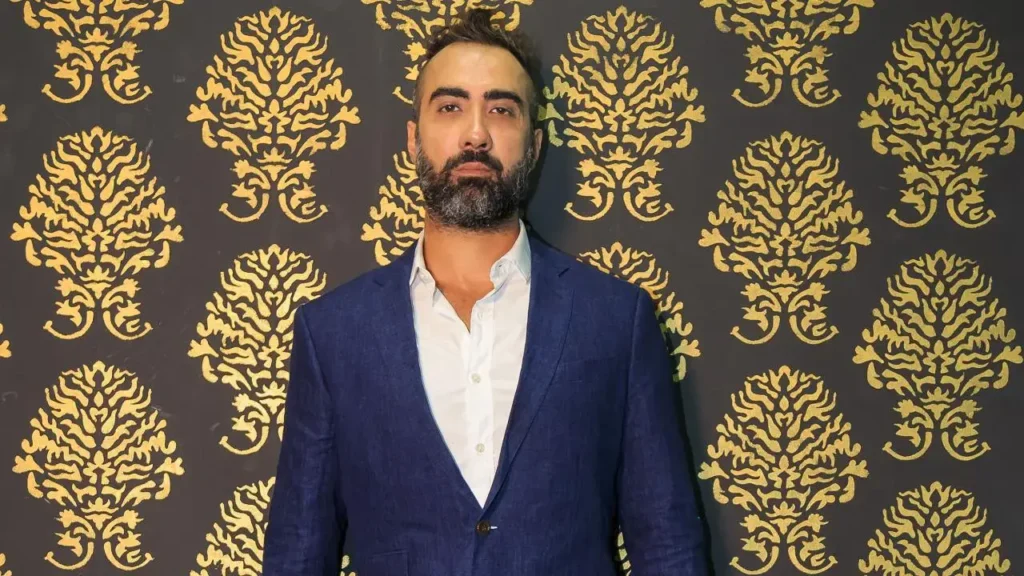
Ranvir Shorey says indie films struggle due to gatekeeping on OTT platforms
Ranvir Shorey Highlights Streaming Platform Barriers for Films Like Sohrab Handa Key Takeaways
The digital landscape, once hailed as a boundless frontier for diverse storytelling, is now facing a critical examination, particularly from veteran voices within the film industry. Actor Ranvir Shorey recently articulated concerns regarding the evolving nature of streaming platforms, suggesting that the “gatekeeping” prevalent in traditional theatrical distribution is resurfacing in the online space. This observation comes as his film, “As Everybody Loves Sohrab Handa,” makes its debut on an Over-The-Top (OTT) platform.
For many years, independent filmmakers and artists struggling to find a voice in mainstream cinema viewed streaming services as a beacon of hope. The promise was simple: a direct path to audiences, bypassing the often-restrictive bottlenecks of film distributors, multiplex chains, and large production houses that historically dictated what films received a wide release. It was believed that on OTT, merit and unique narrative would triumph, allowing smaller, more experimental, or niche films to reach viewers globally without immense marketing budgets.
However, Shorey’s recent remarks paint a different picture, one where the digital dream is starting to mirror the old-world theatrical realities. He laments that the very platforms designed to democratize content are increasingly adopting similar mechanisms of control and curation that once stifled independent cinema.
To understand this, let’s look at what “gatekeeping” means. Imagine a large party where many people want to share their stories. In the traditional film world, the “gatekeepers” were the few powerful individuals or companies who decided which stories got a big stage (cinema halls), how many times they would be shown, and how much advertising money they would get. Films with big stars, popular genres, or huge budgets often got preferential treatment, leaving smaller, heartfelt stories struggling for even a single screening slot.
When streaming platforms emerged, they appeared to dismantle these gates. Suddenly, films could be uploaded and accessed by millions without needing a cinema hall or a traditional distributor. This led to an explosion of diverse content, from regional language films to documentaries and independent features, finding audiences they never could have reached before.
Yet, as Shorey points out, the dynamics are shifting. While the physical gates of cinema halls are no longer the issue, new, digital gates are appearing. These manifest in various ways:
* Algorithmic Preference: Streaming platforms use complex computer programs (algorithms) to suggest content to viewers. If these algorithms are designed to favor films from larger studios, those with existing popularity, or specific genres that generate more subscriptions, then smaller films, despite their quality, might get buried.
* Promotional Slots and Banners: Just like prime showtimes in a cinema, streaming platforms have prime “real estate” – the main banners, featured sections, and top rows when you open the app. These prominent placements are often given to films from major production houses or those with significant star power, regardless of whether they truly align with a user’s viewing history for diverse content.
* Acquisition Strategies: The platforms themselves become gatekeepers when they decide which films to acquire and host. Their acquisition teams, driven by commercial viability and subscriber growth metrics, might prioritize films that fit a proven mold rather than taking a chance on truly unique independent voices.
From the perspective of Omni 360 News, these observations highlight a critical juncture for the streaming industry. The initial euphoria around OTT’s potential to foster artistic freedom and diversity is now tempered by the realization that commercial pressures are a powerful force, regardless of the distribution medium. Filmmakers who previously celebrated the freedom of digital distribution are now finding themselves in a familiar predicament: creating compelling work only to struggle for visibility amidst a sea of content, much of which benefits from platform preference.
Films like “As Everybody Loves Sohrab Handa,” which might explore nuanced themes or feature less conventional narratives, rely heavily on organic discovery and a level playing field. If the platforms themselves become selective in what they promote, the very purpose of an open digital ecosystem is undermined. This not only impacts the livelihoods and artistic aspirations of filmmakers but also limits the richness and variety of stories available to audiences. Viewers might inadvertently be guided towards a narrower selection of content, missing out on gems that could broaden their perspectives and entertain them in unexpected ways.
The challenge now for streaming platforms, and indeed for the entire film ecosystem, is to find a balance. How can they remain commercially successful while truly upholding the promise of democratized content? This involves transparent curation policies, dedicated and well-promoted sections for independent cinema, and perhaps even investing in diverse storytelling that might not have immediate mass appeal but contributes significantly to cultural richness. The conversations initiated by actors like Ranvir Shorey are crucial in pushing for these necessary evolutions.
Key Takeaways:
* Streaming platforms, despite initial hopes for wider access, are increasingly showing signs of “gatekeeping” similar to traditional cinema.
* Actor Ranvir Shorey’s comments highlight how independent films, like “As Everybody Loves Sohrab Handa,” face challenges in gaining visibility on OTT.
* This digital gatekeeping can involve algorithmic preferences, favored promotional slots, and selective content acquisition strategies.
* The trend risks limiting diverse storytelling and narrowing audience choices, impacting both filmmakers and viewers.
* There is a growing call for streaming platforms to re-evaluate their content curation to ensure a truly equitable and varied viewing experience.