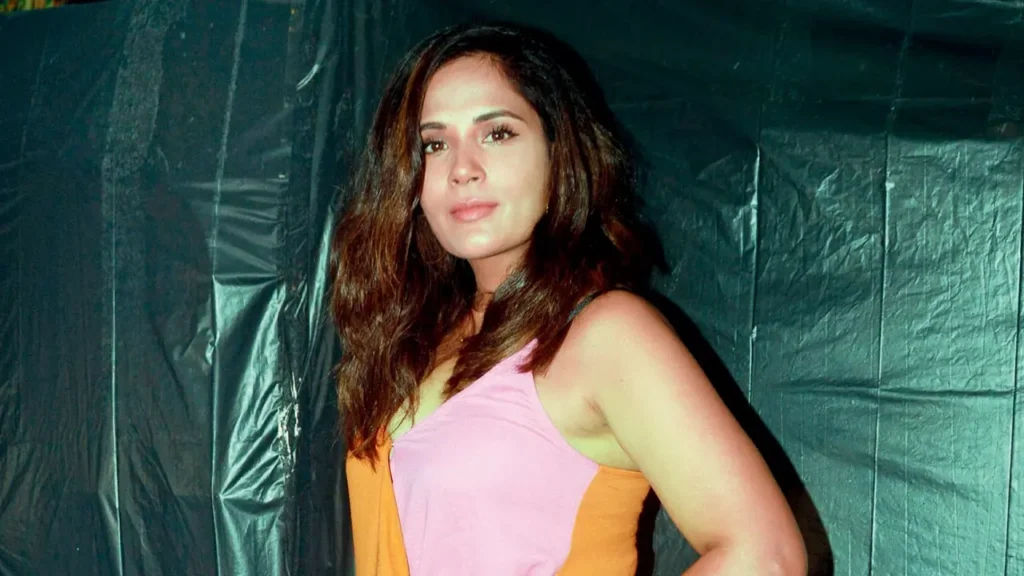
Richa Chadha questions why commercial actors are cast for indie films
Richa Chadha Sparks Debate on Bollywood’s Star System and Indie Film Funding
The Indian film industry, often viewed from the glittering heights of its biggest blockbusters, quietly grapples with deeply rooted structural challenges. Recently, actress Richa Chadha peeled back a layer of this complex reality, voicing a sentiment echoed by many within the independent cinema circuit. Her pointed inquiry into the industry’s perceived dependence on a handful of top male actors for project viability, alongside the financial tightrope walked by indie filmmakers considering commercial talent, has ignited a fresh round of discussion. As reported by Omni 360 News, Chadha’s observations highlight a systemic hurdle that often dictates what stories get told and who gets to tell them.
The ‘Top 5’ Influence on Film Projects
Chadha’s assertion that “the whole industry is waiting for a nod from the top 5 male actors” speaks volumes about the prevalent star power dynamic. In a market where celebrity endorsement can make or break a film’s initial buzz and box office performance, the influence of established male stars remains undeniable. This isn’t merely about their acting prowess, but their perceived ability to guarantee audiences and, crucially, attract financing. Producers and studios often find it easier to secure budgets, distribution deals, and prime theatrical slots when a project boasts a ‘big name.’
For an aspiring director or a writer with an unconventional script, securing a meeting, let alone production funding, can feel like navigating an impenetrable fortress without the backing of a major star. This creates a bottleneck, limiting the diversity of narratives and voices that make it to the screen. It can also lead to a cyclical pattern where tried-and-tested formulas, often centered around these bankable stars, are repeatedly favored over fresh, innovative concepts. The commercial imperative, driven by massive investments, often overshadows artistic risk-taking, pushing creative boundaries further into the background.
Indie Films Budget Challenges and Casting Realities
Richa Chadha also shed light on the stark contrast between commercial cinema and the independent film sector, particularly concerning casting choices. She noted that “casting a commercial actor for an indie film would create a hole in the budget and wouldn’t draw audiences either.” This statement encapsulates the core dilemma faced by many independent filmmakers.
Independent films, by their very nature, operate on significantly tighter budgets. These projects often prioritize strong storytelling, unique perspectives, and artistic integrity over grand scale and star wattage. While a renowned actor might bring initial attention, their remuneration alone could easily consume the entire production budget of an indie feature. Furthermore, the audience for independent films often differs from that of mainstream blockbusters. Indie viewers are typically drawn by compelling narratives, critical acclaim, and authentic performances, rather than solely by the presence of a ‘commercial’ face.
Bringing in a high-profile actor, whose usual fee is designed for multi-million dollar productions, would necessitate diverting funds from crucial areas like production design, cinematography, or post-production – all of which are vital for crafting a high-quality film. Moreover, if the commercial actor’s persona doesn’t align with the indie film’s raw, realistic tone, their presence might even feel incongruous to the target audience, potentially alienating viewers rather than attracting them. This forces indie directors to choose between artistic vision and a fleeting attempt at mainstream appeal, often at a prohibitive cost.
Understanding the Industry’s Structure for a 12th Grader
Imagine the film industry as a big school. Some students are super popular (the ‘top 5 male actors’). When they decide to join a project, it’s like their presence alone guarantees a huge crowd will show up for the school play. Because of this, the school management (producers and investors) often waits for these popular kids to say ‘yes’ before even thinking about putting on a play. This makes it really hard for other talented students (new actors, indie filmmakers) to get their plays made, even if their stories are brilliant.
Now, think about two kinds of school plays: a big, fancy musical with huge sets (commercial films) and a small, thoughtful drama with a deep message (indie films). The popular kids charge a lot to be in the plays. If the small drama tries to hire a popular kid, all its money might go just to pay them, leaving nothing for costumes, props, or even marketing. Plus, the audience who loves small, thoughtful dramas might not even care if a popular kid is in it; they just want a good story. So, Richa Chadha is pointing out that this system makes it tough for new, different stories to get the spotlight because everyone is focused on what the popular kids are doing.
The Evolving Landscape and Future Directions
While the challenges are significant, the landscape isn’t entirely static. The rise of streaming platforms (OTT) has offered a new avenue for diverse storytelling, often less beholden to traditional box office metrics or the ‘star system’ for initial greenlighting. These platforms have championed content-driven narratives, providing a stage for actors and filmmakers who might otherwise struggle in the mainstream theatrical space. This shift allows for more unconventional casting choices and empowers filmmakers to tell stories that resonate with specific niches, rather than aiming for a broad, lowest-common-denominator appeal.
Local film festivals and independent production houses continue to be crucial incubators for new talent and fresh ideas. Discussions at these smaller forums, often away from the glare of mainstream media, frequently revolve around creative funding models, collaborative efforts, and the importance of nurturing unique cinematic voices. Richa Chadha’s observations resonate deeply within these circles, reaffirming the shared understanding of the hurdles involved and the collective desire for a more equitable and diverse industry.
Key Takeaways
* The Indian film industry’s strong reliance on a few top male actors significantly impacts project approval, financing, and overall production flow.
* This star-centric model can inadvertently stifle the growth of diverse narratives and opportunities for emerging talent.
* Independent films face immense budgetary constraints, making the casting of high-paid commercial actors financially unviable and potentially misaligned with their audience’s expectations.
* The rise of OTT platforms presents a promising alternative, offering a space for content-driven films and diverse casting beyond the traditional star system.
* Ongoing dialogue and strategic shifts are crucial for fostering an industry that supports both commercial successes and artistically rich, independent cinema.
Ultimately, Richa Chadha’s comments serve as a timely reminder of the deep-seated issues that shape the cinematic output. For the industry to truly flourish and reflect the rich tapestry of stories within the nation, a thoughtful re-evaluation of its prevailing structures, particularly regarding talent power and funding, remains essential. The conversation, brought to the forefront by Chadha, is not just about individuals, but about the health and future direction of Indian cinema itself.