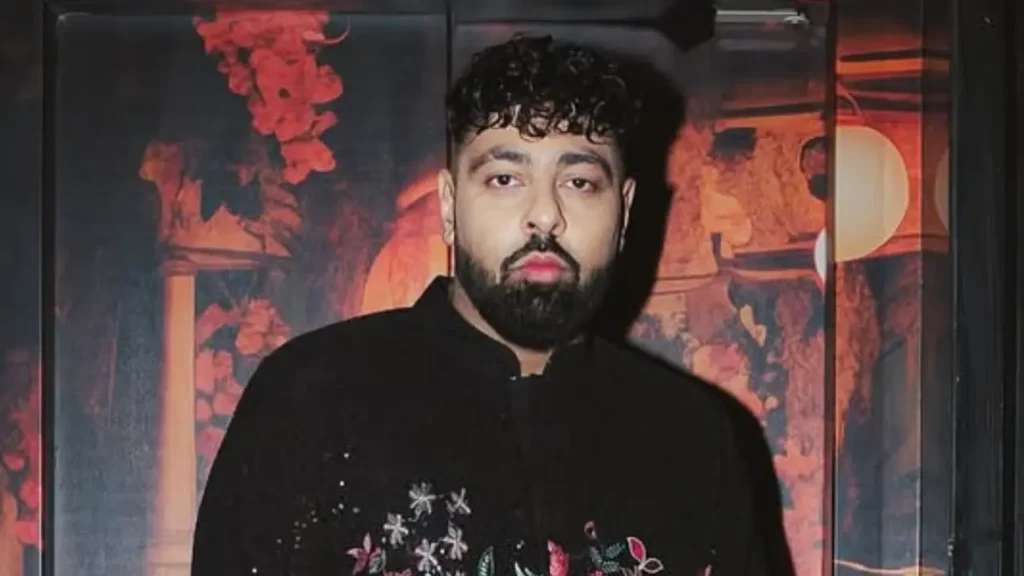
Tateeree row: Badshah promises support for 50 girls, issues apology to NCW
Badshah Addresses Tateeree Controversy, Commits to Girls’ Education and Empowerment Anthem
The world of Indian music recently witnessed a significant moment of accountability and commitment, as popular rapper Badshah formally apologized to the National Commission for Women (NCW) regarding the lyrical content of his track “Tateeree.” This public apology was not merely a verbal expression of regret but was underscored by tangible pledges aimed at promoting social good and artistic responsibility. The incident has sparked conversations about the impact of music on society and the role artists play in shaping cultural narratives.
The controversy surrounding “Tateeree” began brewing when several listeners and advocacy groups raised concerns over its lyrics, which were perceived as derogatory and objectifying towards women. The track, despite its popularity, drew criticism for its potentially negative influence, particularly among younger audiences. In an era where digital content spreads rapidly and impacts millions, the responsibility of creators is under increasing scrutiny. The song’s lyrical structure, employing certain phrases, prompted a strong reaction, leading to formal complaints being lodged with the National Commission for Women, India’s apex body dedicated to safeguarding women’s rights and interests.
Upon receiving these complaints, the NCW took swift action, issuing a notice to Badshah. This proactive step by the commission highlighted its unwavering commitment to addressing issues that could perpetuate gender stereotypes or demean women. The NCW’s involvement underscored the seriousness of the allegations and its role in ensuring that public figures and their creative works adhere to certain ethical standards, particularly concerning gender sensitivity. For many, the NCW’s intervention served as a crucial reminder that artistic freedom, while vital, must also be balanced with social responsibility. Local media outlets extensively covered the NCW’s firm stance, emphasizing the commission’s dedication to upholding the dignity of women across the nation.
In response to the NCW’s notice and the mounting criticism, Badshah appeared before the commission, where he offered an unconditional apology. This act was seen by many as a mature and responsible step, demonstrating an understanding of the impact his work can have. Sources close to the proceedings reported that the artist expressed genuine remorse, acknowledging that his lyrics might have inadvertently caused offense or perpetuated harmful stereotypes. He reportedly committed to being more mindful and sensitive in his future artistic endeavors, recognizing the powerful platform he holds as a celebrated musician.
Beyond the apology, Badshah made two significant pledges that promise to have a lasting positive impact. The first commitment involves sponsoring the education of 50 underprivileged girls. This initiative goes beyond mere words, translating regret into concrete action that directly benefits the community. Education is widely regarded as a powerful tool for empowerment, especially for young girls who often face significant barriers in accessing schooling. By providing financial support, Badshah is helping to open doors to opportunities, fostering a future where these girls can realize their full potential and contribute meaningfully to society. This pledge resonated deeply with observers, transforming a moment of controversy into one of genuine social contribution.
His second promise is to create a new song specifically centered on women’s empowerment and positive messaging. This upcoming track is envisioned as an anthem that celebrates the strength, resilience, and achievements of women, aiming to inspire and uplift. This artistic pivot demonstrates a conscious effort to use his creative talent for constructive social commentary, moving away from potentially problematic themes towards messages of respect and equality. Such a song, coming from an artist with his reach, has the potential to influence a wide audience, promoting healthier perspectives on gender roles and women’s place in society. Omni 360 News will be keenly following the development and release of this new project.
This entire episode serves as a powerful reminder for artists across all genres about their immense influence. Music, with its pervasive reach, particularly among youth, can either reinforce regressive ideas or become a catalyst for positive change. Badshah’s actions illustrate a growing trend of public figures embracing accountability and using their platforms for social good, rather than shying away from criticism. It highlights the importance of introspection within the creative industry and the need for lyrics and themes that are not just catchy but also responsible and inclusive.
The involvement of bodies like the National Commission for Women is crucial in holding artists and content creators accountable. Their role ensures that public discourse remains respectful and that art does not inadvertently contribute to social inequalities or discrimination. This incident could set a precedent for how similar issues are handled in the future, fostering a more mindful and ethical approach to creative expression within the entertainment industry.
Key Takeaways:
* Accountability in Art: The incident underscores the increasing demand for accountability from artists regarding their lyrical content and its societal impact.
* NCW’s Pivotal Role: The National Commission for Women demonstrated its crucial function in safeguarding women’s dignity and influencing public figures towards responsible messaging.
* Action Over Words: Badshah’s pledges to sponsor education for 50 underprivileged girls and create an empowerment anthem highlight a shift from mere apology to tangible social commitment.
* Empowerment Through Education and Music: These actions exemplify how public figures can channel past controversies into initiatives that genuinely uplift and inspire, using both resources and creative talent.
* Industry Responsibility: This event prompts a broader conversation within the music industry about ethical content creation and the powerful role artists play in shaping societal values.
In conclusion, Badshah’s apology and subsequent commitments mark a significant moment in the ongoing dialogue between artistic freedom and social responsibility. His pledges offer a pathway for redemption and a powerful example of how public figures can transform moments of controversy into opportunities for meaningful contribution and positive change, ultimately fostering a more inclusive and respectful cultural landscape.