Voting underway for Baramati, Rahuri and Umreth bypolls
# Baramati, Rahuri, Umreth Bypolls: Voting Underway
**By Siddharth Rao, The Electoral Observer**
**April 23, 2026**
On Thursday, April 23, 2026, millions of voters across three crucial constituencies—Baramati and Rahuri in Maharashtra, and Umreth in Gujarat—stepped out to cast their ballots in highly anticipated by-elections. Voting commenced at 7:00 AM under tight security protocols, marking a significant midpoint assessment of regional political sentiments and local governance issues. According to the Election Commission of India (ECI), the outcome of these crucial bypolls will be declared on May 4, 2026. Notably, this date coincides with the scheduled announcement of the highly consequential assembly election results in Tamil Nadu and West Bengal [Source: Hindustan Times]. This confluence of state and regional electoral events has drawn national attention, setting the stage for a dramatic day of political developments next month.
## The High-Stakes Battleground of Baramati
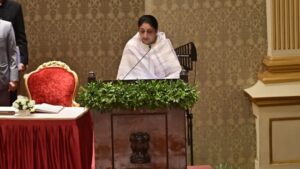
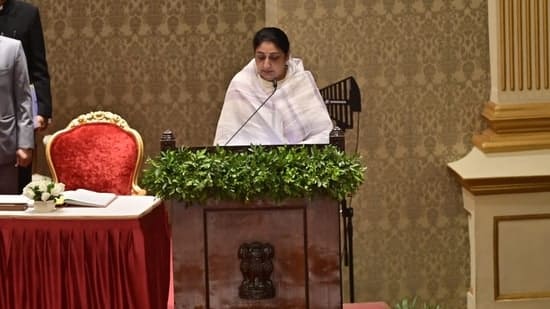
Few constituencies in India command as much consistent political attention as Baramati in western Maharashtra. Historically known as the epicenter of the state’s cooperative sugar and dairy industries, Baramati has long been associated with the Pawar family’s political legacy. The current bypoll, featuring prominent local figures including Sunetra Pawar, has turned the constituency into a prestige battle [Source: Hindustan Times | Additional: Public Domain Electoral Histories].
The campaign leading up to today’s vote has been characterized by intense grassroots mobilization. Candidates across the spectrum have focused heavily on issues pertinent to the local agrarian economy. Water scarcity, equitable distribution of resources from the local dams, and the Minimum Support Price (MSP) for sugarcane and onions have dominated the discourse. Furthermore, Baramati’s growing urbanization has introduced a new set of voter demands, including improved infrastructure, youth employment, and industrial development within the local MIDC (Maharashtra Industrial Development Corporation) areas.
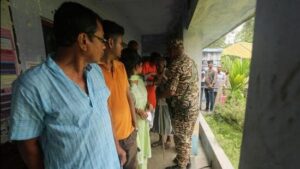
Political observers note that the turnout in Baramati’s rural segments will be particularly decisive. Early morning reports indicated long queues outside polling booths in the agrarian belts, suggesting a highly motivated rural electorate eager to make their voices heard on agricultural policies.
## Rahuri: A Microcosm of Maharashtra’s Agrarian Concerns
Located in the Ahmednagar district, the Rahuri assembly constituency presents a distinct set of localized challenges and electoral dynamics. Rahuri is home to the Mahatma Phule Krishi Vidyapeeth (an esteemed agricultural university), making it a hub of agricultural knowledge, yet it ironically struggles with recurrent farming crises. The bypoll here was necessitated by recent political realignments that left the seat vacant, prompting a fierce contest to reclaim legislative representation.
The electorate in Rahuri is deeply embedded in the cooperative movement. Control over local sugar mills, credit societies, and dairy cooperatives heavily influences voting patterns. In the weeks leading up to April 23, candidates campaigned vigorously on the promise of stabilizing the local agricultural economy. The management of water resources from the Mula Dam remains a perennial flashpoint, with competing regional interests vying for adequate irrigation allocation.
**Key issues driving the Rahuri voter include:**
* **Irrigation Infrastructure:** Upgrading aging canal networks.
* **Crop Pricing:** Demand for better state intervention for cotton and soybean prices.
* **Cooperative Governance:** Transparency in the management of local sugar factories.
## Umreth: The Central Gujarat Equation
Shifting focus to Gujarat, the Umreth constituency in the Anand district is witnessing a closely fought by-election. Situated in the fertile Charotar region, Umreth is intrinsically linked to the dairy cooperative movement spearheaded by Amul. The demographic composition of Umreth, featuring a delicate balance between Patidars, Kshatriyas, and Other Backward Classes (OBCs), makes it a complex electoral puzzle [Source: Hindustan Times | Additional: Regional Demographic Data].
The ruling party and the opposition have both poured considerable resources into Umreth. Campaigns here have transcended traditional caste equations, leaning heavily into localized economic issues. Inflation, the cost of agricultural inputs like fertilizer and diesel, and the expansion of the local dairy infrastructure have been the primary talking points.
Both major national parties view Umreth as a crucial barometer for public sentiment in central Gujarat ahead of future state-wide elections. The bypoll results here will likely be interpreted as a mandate on the state government’s handling of rural economic development and cooperative sector management.
## Early Turnout Trends and Electorate Demographics
By midday on April 23, initial estimates provided by the Election Commission indicated a robust voter turnout across all three constituencies. Historically, bypolls tend to witness slightly lower participation rates compared to general or state assembly elections; however, the aggressive campaigning seems to have mitigated voter apathy.
### Estimated Midday Voter Turnout (As of 1:00 PM, April 23, 2026)
| Constituency | State | Estimated Turnout (%) | Key Demographic Drivers |
| :— | :— | :— | :— |
| **Baramati** | Maharashtra | 38.5% | Agrarian workers, Cooperative members |
| **Rahuri** | Maharashtra | 36.2% | Sugarcane farmers, Youth demographic |
| **Umreth** | Gujarat | 41.0% | Dairy farmers, OBC communities |
*Note: Final ECI figures will be consolidated post the closing of polls at 6:00 PM.*
The youth vote and female electorate have been particularly targeted during these campaigns. Special “Sakhi” polling booths, managed entirely by women personnel, have been set up in all three constituencies to encourage female participation. Reports from the ground indicate a high turnout of women voters in both Baramati and Umreth, an demographic that has increasingly shown independent voting preferences based on household economic stability and local safety.
## Expert Perspectives on the Micro-Elections
While by-elections do not change the composition of state governments, they act as vital pulse checks. Dr. Vikram Sardesai, a political scientist specializing in western Indian electoral politics, offered his analysis on the significance of today’s voting.
“Bypolls in agrarian belts like Baramati and Rahuri are rarely just about the local candidate; they are referendums on the state’s agricultural policies,” Dr. Sardesai explains. “When voters in these regions step into the booth, they are voting on the price of sugarcane, the availability of water, and the cost of living. Similarly, Umreth will test whether traditional social engineering still holds sway, or if pure economic pragmatism has overtaken caste dynamics.” [Source: Independent Political Analysis].
He further noted that the timing of these bypolls elevates their importance. “Because the results will be announced on May 4, alongside Tamil Nadu and West Bengal, the narrative of these bypoll victories or losses will be woven into a much larger national story regarding regional party strengths.”
## The May 4 Confluence: Assembly Elections and National Implications
The scheduling of the bypoll results for May 4, 2026, guarantees a high-octane day in Indian politics. On this day, the Election Commission will also unveil the results for the full assembly elections in Tamil Nadu and West Bengal [Source: Hindustan Times].
West Bengal and Tamil Nadu represent two of the most politically crucial and heavily populated states in India. The assembly elections there have been characterized by intense, multi-phase voting, massive rallies, and deep ideological contests. While the national media apparatus will undoubtedly focus the bulk of its attention on the coastal states, political strategists will be keeping a close eye on Baramati, Rahuri, and Umreth.
The simultaneous counting means that the May 4 news cycle will offer a comprehensive snapshot of India’s political mood. A sweep for any particular alliance in these localized bypolls, when coupled with state assembly trends, could either validate current administrative policies or signal a pressing need for course correction ahead of future national engagements.
## Election Commission Protocols and Security Measures
To ensure a free, fair, and transparent electoral process, the Election Commission of India has deployed extensive resources across Maharashtra and Gujarat.
**Key ECI measures implemented today include:**
* **Webcasting:** Over 60% of the polling stations in Baramati, Rahuri, and Umreth are equipped with live CCTV webcasting, monitored directly from state and central ECI control rooms.
* **VVPAT Verification:** Voter Verifiable Paper Audit Trail (VVPAT) machines are operational alongside all Electronic Voting Machines (EVMs), ensuring voters can visually verify their choices.
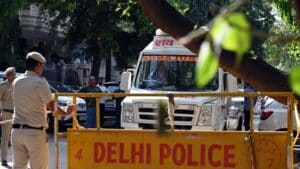
* **Security Deployment:** Companies of the Central Armed Police Forces (CAPF) have been deployed in identified sensitive and hyper-sensitive booths to maintain law and order and prevent any voter intimidation.
* **Heatwave Protocols:** Given the intense April heat, the ECI has mandated the provision of shaded waiting areas, ORS packets, and drinking water at all polling stations to facilitate comfortable voting conditions.
Local administrative officials reported that the first six hours of voting concluded peacefully, with only minor technical glitches reported in a handful of EVMs, which were swiftly replaced by sectoral magistrates.
## Conclusion and Future Outlook
As the sun sets on the polling stations in Baramati, Rahuri, and Umreth, the political fate of the candidates is sealed inside the strong rooms. Today’s voting exercise highlights the vibrant and continuous nature of Indian democracy, where even localized bypolls are contested with the fervor of general elections.
The immediate focus now shifts to the EVM strong rooms, which will remain under 24/7 CAPF guard until counting day. For the residents of these constituencies, the elections are about immediate, tangible governance—better roads, fair crop prices, and functional cooperatives. However, for political analysts and party high commands, these three seats represent crucial data points in the ever-evolving matrix of Indian politics.
All eyes are now firmly set on May 4, 2026. The simultaneous declaration of these bypoll outcomes, alongside the monumental results from Tamil Nadu and West Bengal, promises to redefine political narratives, forge new alliances, and set the legislative agenda for the coming years.