
play
Energy Shock: UN Battles Iran Over Strait of Hormuz Tolls
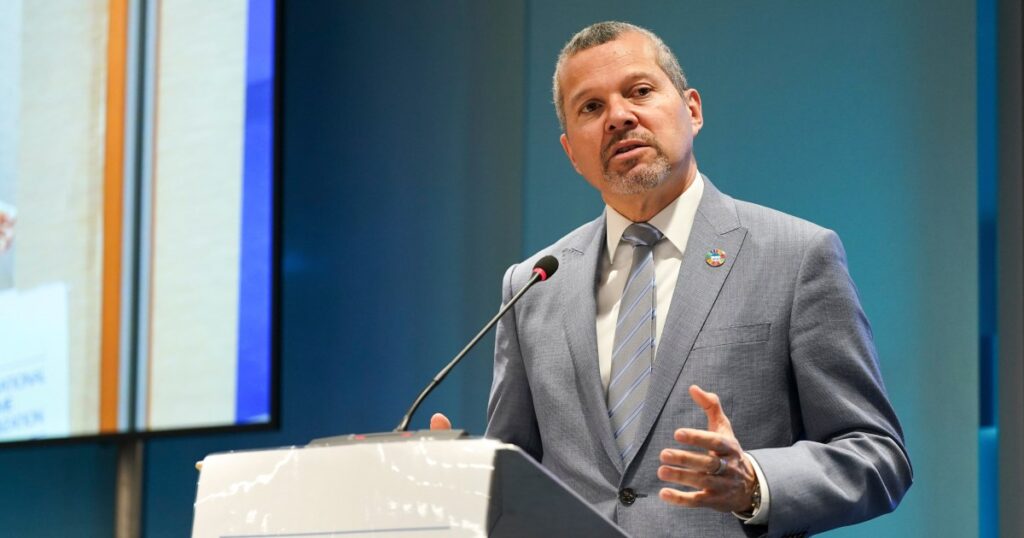
Imagine filling up your tank, only to find gas prices have spiked overnight. Or seeing your grocery bill jump yet again, thanks to higher shipping costs. That’s the real-world consequence hanging over us as the UN’s nuclear watchdog chief, Rafael Grossi, draws a firm line in the sand with Iran. The issue? A chilling hypothetical: Iran charging tolls for ships passing through the Strait of Hormuz. It sounds like distant geopolitics, but trust me, it’s about your wallet, your daily commute, and the price of nearly everything you buy.
Grossi didn’t mince words. He called any such move by Iran “illegal” and a grave threat to the world’s energy lifeline. Why such urgency? Because the Strait of Hormuz isn’t just a stretch of water. It’s the maritime jugular of global oil and gas. About one-fifth of the world’s total oil consumption, along with a hefty chunk of liquefied natural gas, travels through this narrow chokepoint daily. If Iran decides to slap a toll on these vessels, it’s not just an inconvenience for shipping companies; it’s an immediate, direct hit to global energy prices and the entire supply chain. Everything gets more expensive, fast. We’ve seen this movie before, haven’t we? The economic ripple effects would be felt in every corner of the planet, from bustling markets to quiet family homes.
What’s actually happening here is simple?
This isn’t just about money, though. It’s about international law and regional stability. The principle of “innocent passage” ensures that commercial vessels can move freely through international waters. Iran trying to impose tolls would be a blatant violation of this fundamental right, a power play designed to assert control over a critical global artery. It’s a move that could easily escalate tensions in an already volatile region. Historically, Iran has used threats to close or disrupt the Strait as leverage during disputes. Now, the idea of monetizing its strategic location is surfacing, and it’s making everyone nervous. This isn’t just a hypothetical; it’s a potential new front in the ongoing economic and political chess match involving Tehran, Western powers, and global energy consumers.
The International Atomic Energy Agency (IAEA) chief, Rafael Grossi, has declared that Iran must not be permitted to levy tolls on commercial ships in the Strait of Hormuz, asserting such a move would be unlawful and gravely imperil worldwide energy supplies and trade. This stance underscores the critical importance of the Strait for global economic stability.
The implications are far-reaching. If Iran were to proceed, it wouldn’t just be a political statement; it would be an economic earthquake. Oil tankers, gas carriers, and countless other cargo ships rely on safe, unhindered passage through the Strait. Adding tolls would be like putting a tax on the very air we breathe, given how deeply our modern lives depend on the energy and goods transported through this channel. It’s a direct challenge to the rules-based international order. Countries reliant on Middle Eastern oil and gas would face immediate price hikes and potential supply shortages. This isn’t just a diplomatic spat; it’s a test of wills that has direct consequences for every household and every business on the planet. The international community, led by voices like Grossi’s, stands firm, insisting that this vital passageway remains free for global commerce. Because when the Strait of Hormuz sneezes, the global economy catches a cold.





