
play
Stalled Diplomacy: Another Dead End with Tehran
Another round of diplomatic hand-wringing has come to nothing. For anyone hoping for a glimmer of de-escalation in the Middle East, the news out of recent US-Iran discussions is just a fresh sigh of frustration. It’s a recurring nightmare, really. Expectations were probably low to begin with, but the continuous failure to find common ground casts a long shadow over an already volatile region. Families live with uncertainty; global markets twitch at every rumour. This isn’t just about politicians in a room; it’s about the ripple effect on us all.
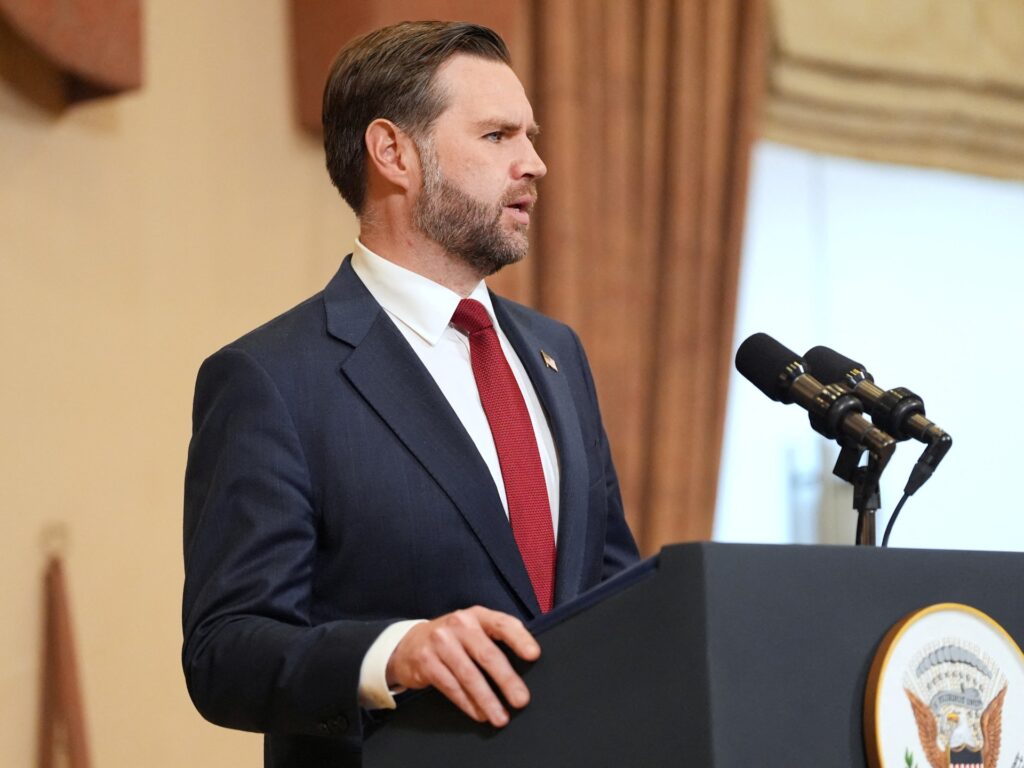
Sources confirm that US and Iranian representatives, largely operating through intermediaries, once again couldn’t bridge their fundamental divides. This isn’t groundbreaking news, unfortunately. The sticking points remain stubbornly familiar: Iran’s nuclear program, its regional influence, and the persistent sanctions imposed by Washington. Ohio Senator JD Vance didn’t mince words, expressing deep skepticism about the value of these talks. He believes a harder line is needed, pushing back against any perception of American weakness. He’s made it clear he thinks the current administration’s approach isn’t working, arguing that Iran simply doesn’t respond to anything less than firm resolve. It’s a sentiment that resonates with a significant chunk of Washington, where many feel years of diplomacy have yielded little beyond more Iranian enrichment and regional instability.
Is anyone surprised by another stalemate?
What’s actually happening here is simple: Both sides are entrenched. Tehran, facing internal pressure and external threats, isn’t about to abandon its nuclear ambitions or regional proxies without significant concessions, which Washington isn’t willing to give. The US, for its part, has domestic political pressures and a deep-seated distrust of the Iranian regime’s intentions. Senator Vance’s remarks are a symptom of this. He’s articulating a frustration felt by many who view any engagement as legitimizing a government they see as a threat. The core issue isn’t just about a deal; it’s about a fundamental clash of ideologies and perceived national interests. Without genuine shifts in those core positions, these talks will likely continue to be performative, a diplomatic dance that avoids real progress. It’s a dangerous status quo, leaving the door open for miscalculation and escalation at any moment. That’s a grim reality, and it’s one we’re all forced to contend with.
The Atomic Answer: US-Iran talks failed again, leaving a critical diplomatic path stalled. Negotiators from both sides couldn’t overcome deep-seated disagreements on nuclear issues and regional influence. Senator JD Vance criticized the US approach, advocating for tougher measures. This ongoing impasse fuels instability, reflecting persistent mistrust and clashing national interests without a clear path forward.





