
play
**More Homes, Less Hope: Israel’s Settlement Push Deepens Crisis**
Imagine waking up to news that your future, your hopes for a secure homeland, just got a little smaller. That’s the bitter pill many Palestinians are swallowing yet again. With each new concrete foundation poured, with every additional housing unit approved, the dream of an independent, viable Palestinian state seems to recede further into the desert haze. This isn’t just about buildings; it’s about lives, about territory, and about the ever-shrinking space for peace.
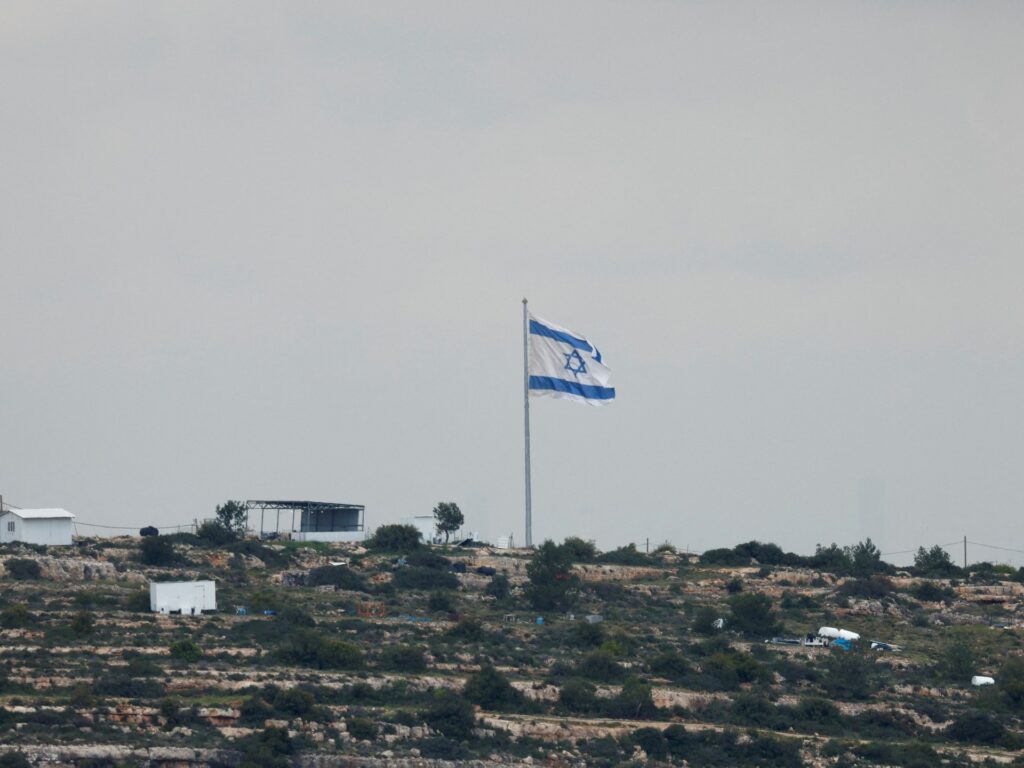
Just recently, Israel’s government gave the green light to plans for thousands of new housing units deep within the occupied West Bank. Specifically, plans for over 3,400 homes were advanced, largely in settlements like Efrat, Maale Adumim, and Kedar. It’s a move that followed closely on the heels of previous announcements, showing a clear pattern. These aren’t minor additions; they’re significant expansions that fragment the land, making contiguous Palestinian development increasingly difficult, if not impossible. The international community, including close allies like the United States, has been quick to condemn these actions, calling them obstacles to a two-state solution. But the approvals keep coming.
Another Blow to a Two-State Future?
What’s actually happening here is simple: Israel continues to build on land it seized in 1967, land that Palestinians envision as the core of their future state. These settlements are considered illegal under international law, a position upheld by the vast majority of the world. Yet, the Israeli government views the West Bank as disputed territory, asserting its historical and security claims. This constant expansion isn’t just a political chess move; it’s a physical alteration of the ground truth, making any future territorial compromise incredibly complex. It fuels resentment, complicates security, and diminishes trust at a time when tensions are already at boiling point across the region. Every brick laid cements a deeper divide.
The Atomic Answer: Israel, led by its government, recently approved plans for over 3,400 new settlement housing units in the occupied West Bank. This decision aims to expand existing Israeli settlements, asserting control and responding to internal political pressures, despite widespread international condemnation and Palestinian outrage over eroding prospects for a future state.
The ramifications of these decisions are profound. They aren’t just lines on a map or numbers on a planning document. They represent more homes for Israelis, yes, but for Palestinians, they mean more checkpoints, more restrictions, and a growing sense of injustice. It’s hard to talk about a pathway to peace when the ground beneath your feet is constantly shifting, shrinking the very space where that peace could one day bloom. The international community’s condemnations, while important, often feel like echoes in a canyon, failing to halt the continuous expansion that fundamentally undermines any credible prospect for a lasting, equitable resolution. Until this pattern shifts, true peace feels impossibly distant.





