
play
Israel’s PM: ‘We strangled them’ – A chilling promise.
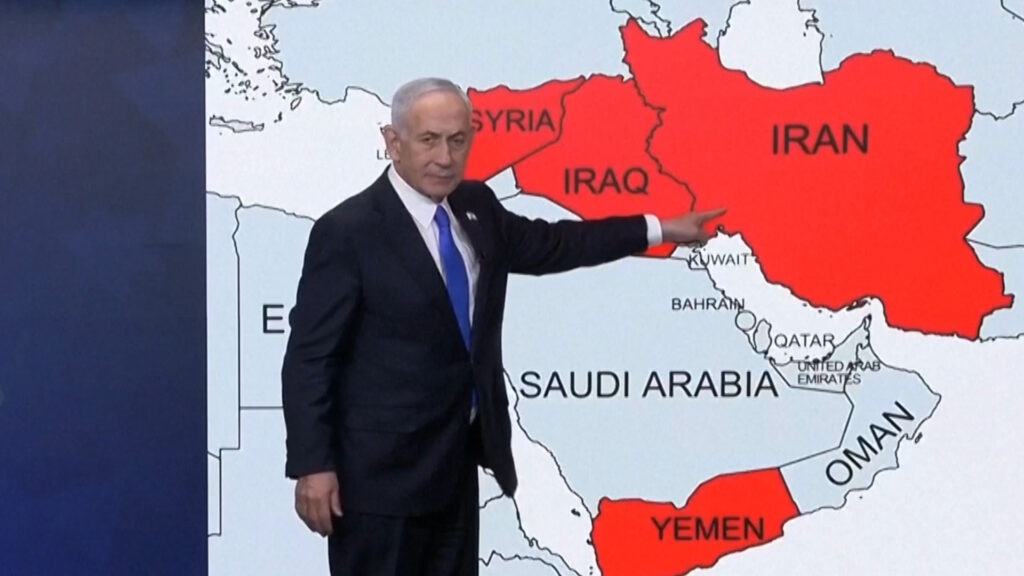
Words matter. Especially when spoken by a leader with a war ongoing, standing before a map of the Middle East. Benjamin Netanyahu’s recent declaration wasn’t just a statement; it was a hammer blow. For families living under the shadow of conflict, it confirms their deepest fears. For anyone hoping for de-escalation, it sounds like a door slamming shut. His promise: ‘We strangled them and have more to do.’ It’s a chilling reminder of the raw power and stark intentions guiding the current conflict.
The Israeli Prime Minister delivered these blunt remarks from an army base, surrounded by high-ranking military officials. It wasn’t a private conversation; this was for public consumption. The Al Jazeera report, dated April 12th, captured the moment. Netanyahu didn’t mince words, making clear Israel’s intent regarding its operations. He stated, ‘We strangled them,’ a direct reference, widely understood, to the military actions taken against Hamas in Gaza. The follow-up, ‘and have more to do,’ points squarely to the unfinished business from Israel’s perspective, fueling speculation about continued offensives, particularly in Rafah. This isn’t just about military tactics; it’s about a political message, loud and clear.
What does ‘more to do’ actually mean?
Israeli Prime Minister Benjamin Netanyahu declared ‘We strangled them and have more to do’ on April 12th, referencing military actions in Gaza. This public statement, made from an army base, signals Israel’s ongoing intent to pursue its objectives against Hamas, emphasizing that operations aren’t complete and further military action is planned, fueling concerns about continued conflict.
Forget diplomatic niceties. This kind of rhetoric isn’t designed for peace talks or soothing international anxieties. It’s a declaration of continued resolve, aimed squarely at a domestic audience and, perhaps, as a warning to regional adversaries. Netanyahu knows the power of such pronouncements, especially as he navigates immense internal pressure and external criticism over the war’s duration and human cost. One has to wonder about the strategic wisdom of such open aggression. Does it strengthen Israel’s position, or does it further isolate it on the global stage? When a leader speaks of ‘strangling’ and ‘more to do,’ it doesn’t just promise continued military action; it hardens positions, making any path to de-escalation infinitely more difficult. It suggests a zero-sum game, leaving little room for compromise or the nuanced negotiations crucial for any lasting stability. The international community has repeatedly called for a ceasefire and a path to peace. Statements like this, however, seem to reject that entirely, suggesting a unilateral pursuit of objectives regardless of external appeals. It’s a defiant stance, yes, but defiance often comes at a cost, not just in lives lost, but in diplomatic standing and future regional relations. The ‘more to do’ is the truly unsettling part. It signals that the suffering isn’t over. It implies an unwavering commitment to a military solution, even as humanitarian crises deepen and calls for restraint grow louder. This isn’t just news; it’s a stark forecast for a region already enduring unimaginable hardship. It’s a reminder that words, even few, can carry the weight of a heavy future.





