
Rain, storms to bring Delhi respite from heatwave soon. Here's what IMD said| India News
# Delhi Weather: Rain Brings Heatwave Relief
**By Staff Correspondent, The India Weather Desk, April 27, 2026**
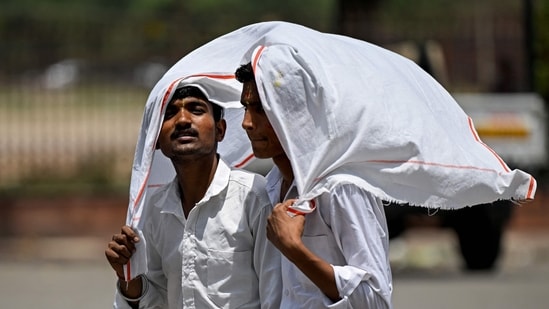
Sweltering residents of New Delhi and the surrounding National Capital Region (NCR) can finally expect much-needed respite from the blistering heatwave starting Tuesday. According to the latest meteorological forecasts released by the India Meteorological Department (IMD), incoming atmospheric changes will bring thunderstorms, light rain, and gusty winds to the parched capital. After consecutive weeks of soaring mercury consistently crossing the 40-degree Celsius mark, the shifting weather patterns will trigger a significant drop in maximum temperatures. This transition promises to offer critical, life-saving reprieve for millions across the sprawling metropolis who have been enduring one of the harshest April dry spells in recent years. [Source: Hindustan Times | Additional: IMD Public Advisories].
## The IMD Forecast: Timeline of Imminent Relief
The highly anticipated shift in the weather is slated to begin late Monday night, with the most tangible effects manifesting by Tuesday, April 28. The IMD has officially issued a “Yellow Alert” for the capital, advising residents to stay updated on fluctuating weather conditions.
“Changing atmospheric conditions will start bringing relief from Tuesday. With the return of rain, the temperature is likely to fall significantly,” the IMD stated in its daily bulletin. [Source: Hindustan Times].
Meteorologists expect maximum temperatures, which have hovered around a punishing 42°C (107.6°F) in some parts of the city, to drop by three to five degrees Celsius over the next 48 hours. By Wednesday, the daytime peak is projected to settle comfortably around the 36°C to 38°C range. Alongside the temperature drop, surface winds reaching speeds of 30 to 40 kilometers per hour are expected to sweep through the Delhi-NCR region, effectively dispersing the stagnant, hot air masses that have been trapped over the urban landscape.
**Projected Delhi NCR Weather Forecast (April 28 – May 2, 2026)**
| Date | Expected Condition | Max Temp (°C) | Min Temp (°C) | Wind Speed (kmph) |
| :— | :— | :— | :— | :— |
| April 28 (Tuesday) | Generally cloudy with light rain/drizzle | 38°C | 26°C | 30-40 (Gusty) |
| April 29 (Wednesday) | Thunderstorms and scattered showers | 36°C | 24°C | 25-35 |
| April 30 (Thursday) | Partly cloudy, isolated drizzle | 37°C | 25°C | 20-30 |
| May 1 (Friday) | Clear skies, gradually warming | 39°C | 26°C | 15-20 |
| May 2 (Saturday) | Mostly clear, dry weather resumes | 40°C | 27°C | 10-15 |
## Anatomy of the April 2026 Heatwave
To understand the relief, one must contextualize the severity of the heatwave preceding it. April 2026 has tested the endurance of north India. The heatwave was primarily driven by a prolonged dry spell and an anticyclonic circulation over neighboring Rajasthan and Gujarat. This meteorological setup acted as a massive atmospheric pump, funneling the notorious *Loo*—a strong, dusty, gusty, hot, and dry summer wind—directly into the heart of the capital.
The absence of any significant western disturbances throughout the first three weeks of April exacerbated the situation. Without the periodic cloud cover and rain that these disturbances typically bring, the region baked under unyielding solar radiation. Furthermore, Delhi’s deep-rooted urban heat island (UHI) effect—where concrete, asphalt, and dense infrastructure absorb and re-emit the sun’s heat—prevented nighttime temperatures from falling adequately, leading to a phenomenon known as “warm nights.” Warm nights are particularly hazardous because they strip the human body of the vital opportunity to cool down and recover from the daytime thermal stress. [Source: Ministry of Earth Sciences | Additional: Climate Research Data].
## Impact on Daily Life and Public Health
The relentless heat of the past few weeks has left a profound impact on the daily operations of the capital and the health of its citizens. Hospitals across Delhi have reported a sharp uptick in admissions related to heat-related illnesses (HRIs), including severe dehydration, heat exhaustion, and potentially fatal heatstroke.
“We have seen a 30% increase in patients presenting with acute heat stress over the last ten days, primarily among outdoor workers, traffic police personnel, and the elderly,” noted Dr. Arvind Sharma, a senior consultant in internal medicine at a leading government hospital in Delhi. “The anticipated rainfall will not only cool the ambient temperature but also reduce the incidence of hyperthermia, though citizens must remain cautious of the sudden spike in humidity.”
The soaring temperatures also pushed Delhi’s infrastructure to the absolute brink. Peak power demand repeatedly shattered previous April records, crossing the 7,800 MW mark as residential and commercial consumers cranked up air conditioners and coolers to maximum capacity. The impending rain is expected to slash this power demand significantly, offering breathing room for the city’s strained electrical grid. Water distribution networks, heavily burdened by surging consumption and rapid evaporation from reservoirs, will also benefit from the atmospheric cooling.
## The Role of Western Disturbances
The upcoming climatic shift is almost entirely attributed to an approaching “Western Disturbance.” But what exactly is this phenomenon?
Western disturbances are extratropical storms originating in the Mediterranean region. Driven by high-altitude westerly jet streams, these weather systems travel thousands of kilometers across the Middle East, Iran, Afghanistan, and Pakistan before finally arriving in the Indian subcontinent. As they traverse the Caspian Sea and the Arabian Sea, they gather immense amounts of moisture. When these moisture-laden winds hit the towering natural barrier of the Himalayas, they are forced upwards, cooling and condensing to produce rain and snow.
In the pre-monsoon season, western disturbances are the primary source of precipitation for north and northwestern India. Their arrival in late April 2026 is slightly delayed compared to historical averages, but highly welcomed. The interaction between these cool, moist upper-air winds and the intense surface heating over Delhi creates the perfect recipe for convective activity—leading to the thunderstorms and gusty winds predicted by the IMD. [Source: IMD Climatology Reports].
## Agricultural and Environmental Implications
While urbanites rejoice at the prospect of cooler days, the farming communities in the agrarian belts surrounding Delhi—including Punjab, Haryana, and western Uttar Pradesh—are viewing the forecast with a mix of relief and cautious anxiety.
April marks the crucial harvesting season for the *Rabi* (winter-sown) crops, primarily wheat. While a moderate drop in temperature is beneficial for retaining soil moisture and preventing the premature shriveling of late-maturing grain, strong thunderstorms and potential hailstorms—often associated with intense pre-monsoon western disturbances—pose a severe threat to standing crops.
Agricultural experts have urged farmers to accelerate the harvesting of mature crops and store them in safe, dry locations before the squalls hit. Environmentally, however, the rain will bring a massive boon to Delhi’s air quality. The pre-monsoon heat typically traps dust and particulate matter (PM10 and PM2.5) near the surface. The incoming showers will act as a natural scrubber, washing down the atmospheric pollutants and leaving the city with visibly cleaner air and bluer skies for the remainder of the week.
## Government Response and City Action Plans
The intense heatwave leading up to this point necessitated swift action from local authorities. The Delhi government proactively implemented several measures under its comprehensive Heat Action Plan (HAP). These interventions included altered timings for construction workers to avoid the peak heat hours between noon and 4 PM, the widespread distribution of oral rehydration solutions (ORS) at public health centers, and the deployment of water sprinklers on major arterial roads to suppress dust and ambient heat.
Schools were issued advisories to suspend outdoor assemblies and sports activities, ensuring that children remained hydrated and indoors during the afternoon. The transition to cooler weather this week will allow authorities to scale back some of the emergency measures, though municipal bodies have been directed to remain on high alert for waterlogging and uprooted trees—common hazards associated with sudden, high-intensity thunderstorms in the NCR.
## Broader Climate Trends in South Asia
Delhi’s fluctuating weather in April 2026 cannot be viewed in isolation; it is symptomatic of broader climatic shifts affecting the entire South Asian subcontinent. Climate scientists have long warned that global warming will make extreme weather events—including prolonged heatwaves followed by intense, erratic rainfall—more frequent and more severe.
Recent reports from the Intergovernmental Panel on Climate Change (IPCC) highlight that urbanization, coupled with rising global baseline temperatures, has significantly narrowed the transitional spring season in India. The subcontinent now frequently jumps from a mild winter straight into a punishing summer. While the current western disturbance offers temporary relief, climatologists stress that the overall trajectory for the region is undeniably warming. Building systemic resilience—through increased green cover, improved water harvesting, and heat-resistant urban infrastructure—is no longer optional; it is an immediate necessity for survival.
## Conclusion: Key Takeaways and Future Outlook
The impending rain and storms expected from Tuesday onwards will undeniably break the back of the current heatwave choking Delhi-NCR. By bringing maximum temperatures down by nearly 5°C, improving air quality, and easing the burden on the city’s power and water infrastructure, the IMD’s forecast is a beacon of hope for weary citizens. [Source: Hindustan Times].
However, the relief is likely to be transient. As May approaches—historically the hottest month for north India—temperatures are bound to climb once the influence of the western disturbance wanes. Residents are strongly advised to use this cooler window to service cooling appliances, replenish emergency water stores, and prepare for the inevitable return of the summer heat.
While nature is providing a brief respite, the volatile swings of Delhi’s weather serve as a stark reminder of the broader climate realities facing the region. Adapting to these rapid shifts, staying informed through official IMD channels, and adhering to public health advisories will remain the best defense for Delhiites as they navigate the remainder of the 2026 summer season.





