Kannur Dental College denies caste angle in BDS student death, cites loan app issue| India News
# Kannur BDS Death: Loan App Blamed, Not Caste
**By Special Correspondent, National Desk, April 19, 2026**
The management of Kannur Dental College on Sunday categorically denied allegations of caste-based discrimination following the tragic death of a second-year Bachelor of Dental Surgery (BDS) student. Amidst growing protests by student groups demanding accountability, the college authorities issued a detailed statement attributing the tragedy not to institutional prejudice, but to severe financial harassment and blackmail by unauthorized digital loan applications. The incident, which has shocked the medical fraternity in Kerala, highlights the lethal intersection of academic pressure and India’s escalating crisis of predatory micro-lending platforms that specifically target vulnerable young adults.
[Source: Hindustan Times | Additional: Regional News Reports]
## The Incident and Initial Outcry
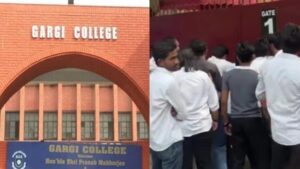
The sudden passing of the second-year BDS student last week initially triggered massive outrage across college campuses in Northern Kerala. Student unions and local activists quickly mobilized, alleging that the student—who hailed from a marginalized community—had been subjected to relentless caste-based discrimination and academic harassment by senior faculty members. Protesters blockaded the college entrance, demanding the immediate suspension of the college principal and the head of the student’s department.
The allegations of casteism struck a sensitive nerve. Historically, higher education institutions in India, particularly elite medical and dental colleges, have faced intense scrutiny over the treatment of Dalit and Adivasi students. The shadows of previous national tragedies involving medical students from marginalized backgrounds loomed large over the protests, forcing the district administration to deploy additional police personnel to maintain law and order around the campus.
However, the narrative shifted dramatically over the weekend as new preliminary evidence emerged from the victim’s personal belongings and digital footprint.
## College Management’s Rebuttal
In a press briefing held on Sunday morning, the administration of Kannur Dental College strongly refuted the claims of institutional prejudice. The college spokesperson asserted that the student was academically sound and maintained a cordial relationship with both peers and faculty.
“We are deeply saddened by the loss of a bright young mind, but we must clarify that there was absolutely no caste angle or academic harassment involved in this unfortunate incident,” the college administration stated. “Preliminary findings from the student’s hostel room and mobile phone indicate that the student was trapped in a vicious cycle of debt and severe cyber-harassment orchestrated by illegal loan app recovery agents.”
According to the administration, hostel wardens and close friends had recently noticed the student exhibiting signs of severe distress. Furthermore, friends of the deceased reportedly began receiving morphed photographs and abusive text messages from unknown international numbers just days before the tragedy—a hallmark tactic used by unregulated digital lending platforms to humiliate and extort borrowers.
## The Menace of Predatory Digital Lending
The tragedy in Kannur casts a harsh spotlight on a deeply entrenched cybercrime epidemic in India. Despite stringent guidelines issued by the Reserve Bank of India (RBI) regarding digital lending operations, a shadow economy of fraudulent loan apps continues to thrive. These applications often bypass official app stores, distributing themselves via APK files shared through WhatsApp, Telegram, or deceptive social media advertisements.
These platforms lure financially strapped individuals—often college students—with the promise of instant, collateral-free micro-loans ranging from ₹2,000 to ₹10,000. However, the true cost of these loans is deliberately hidden. When users install the app, they unknowingly grant complete access to their smartphone’s contact list, photo gallery, and storage.
“Once the app is installed and the permissions are granted, the trap is set,” explains Dr. Rajesh Venugopal, a cyber-security analyst based in Kochi. “The interest rates are exorbitant, often exceeding 300% annually. If a victim misses a payment by even a day, the recovery agents—operating from clandestine call centers often outside India’s jurisdiction—begin their psychological warfare. They access the victim’s gallery, morph their photos into pornographic images, and threaten to send them to every person in their contact list. For a young student, this level of public humiliation is unimaginably terrifying.”
[Source: Independent Cyber Forensics Analysis | Additional: RBI Digital Lending Framework 2026]
## Financial Pressures on Medical Students
The necessity for a student to turn to such dangerous financial avenues raises critical questions about the hidden costs of higher education. While tuition fees for professional courses like BDS are heavily subsidized for students entering through state merit quotas, the ancillary expenses are substantial.
Dental students are frequently required to purchase expensive instruments, imported dental materials, and specialized textbooks. Combined with rising hostel fees, mess charges, and the basic cost of living, students from economically weaker sections often find themselves strapped for cash.
“Medical and dental students face a unique kind of financial stress,” notes Dr. Meena Krishnan, an education sociologist. “They are often far from home, facing intense academic workloads that leave no time for part-time jobs. If an unexpected expense arises—like needing to replace a broken dental handpiece or a laptop—students may feel ashamed to ask their parents, who might already be drowning in educational loans. This desperation makes them the perfect targets for predatory loan apps that promise money in five minutes.”
## Police Investigation and Digital Forensics
The Kannur district police have officially registered a case of unnatural death and have initiated a comprehensive probe into the matter. The local Cyber Crime Cell has been roped in to analyze the deceased student’s smartphone and laptop.
According to preliminary reports from the investigating officers, the student had indeed downloaded at least three distinct unverified loan applications. The cyber cell has traced several WhatsApp messages containing explicit threats and demands for immediate repayment. Investigators are currently attempting to trace the IP addresses of the servers hosting these applications, though officials admit this is a complex task.
“The modus operandi of these syndicates involves masking their digital footprint through VPNs and routing their servers through multiple countries, often in Southeast Asia,” a senior police official associated with the Kannur Cyber Cell stated on condition of anonymity. “We are coordinating with national cyber agencies and the state nodal officer to trace the money trail, which usually involves multiple mule bank accounts and cryptocurrency conversions.”
## The Lingering Shadow of Caste in Higher Education
While the Kannur Dental College management has forcefully denied the caste angle, emphasizing the cyber-harassment evidence, student activists argue that the two issues are not mutually exclusive.
Advocates for social justice point out that students from marginalized backgrounds often lack the social capital and financial safety nets available to their privileged peers. When faced with financial crises or cyber-blackmail, they may feel entirely isolated, fearing that institutional authorities will not support them.
“Even if the immediate trigger for this tragedy was a loan app, we cannot ignore the broader ecosystem,” argued a spokesperson for a state-wide student federation. “Why did the student feel they could not approach the college anti-ragging cell or the counseling department when the harassment began? Why is there a pervasive lack of trust between marginalized students and college administrations? These are questions that a cyber forensics report cannot answer.”
The incident has reignited demands for mandatory financial literacy programs and robust psychological support systems within medical and engineering colleges in Kerala.
## Implications and Future Outlook
The tragic death of the BDS student in Kannur serves as a grim warning about the evolving nature of threats faced by the youth in the digital age. As the police investigation continues to unfold, the narrative has shifted from a localized issue of alleged campus prejudice to a transnational cybercrime problem that requires immediate, heavy-handed intervention by state and central authorities.
**Key Takeaways:**
* **Need for Digital Literacy:** Universities must integrate digital hygiene and financial literacy into their orientation programs, specifically warning students against unauthorized lending apps.
* **Institutional Support Networks:** Colleges need to establish safe, non-judgmental avenues where students can report cyber-harassment without fear of academic or social repercussions.
* **Regulatory Crackdown:** While the RBI has tightened norms, law enforcement agencies require better technological infrastructure and international cooperation to dismantle the transnational syndicates running these fraudulent apps.
As Kannur Dental College attempts to return to normalcy, the void left by the young student remains a haunting reminder of the system’s vulnerabilities. The coming weeks will be crucial as cyber investigators attempt to unmask the perpetrators behind the loan app syndicates, hoping to bring closure to a grieving family and a shocked academic community.
[Source: Hindustan Times | Additional Context: Public Domain Cyber Crime Data 2026]