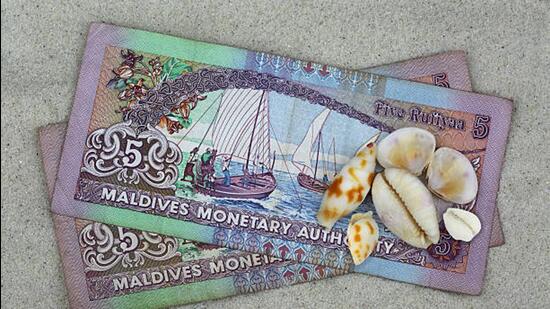
Hurdle in Maldives’ currency swap bid with India| India News
# Maldives-India Swap Hits Regulatory Hurdle
**By Rohan Sharma, South Asian Economic Desk, April 19, 2026**
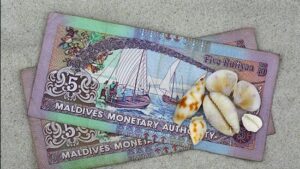
In April 2026, the Maldives’ urgent bid to extend a crucial currency swap agreement with India hit a significant regulatory roadblock, deepening the island nation’s economic anxiety. As the Maldivian government scrambles to stabilize critically low foreign exchange reserves and manage mounting external debt, it has formally requested the Reserve Bank of India (RBI) to roll over the existing facility. However, stringent SAARC currency swap framework rules currently restrict further extensions without comprehensive macroeconomic restructuring. This impasse leaves Male facing severe liquidity stress, testing the delicate diplomatic reconciliation between President Mohamed Muizzu’s administration and New Delhi. [Source: Hindustan Times | Additional: Regional Economic Monitors].
## The Mechanics of the Stalled Relief
The South Asian Association for Regional Cooperation (SAARC) Currency Swap Facility was established by the Reserve Bank of India to provide short-term foreign exchange liquidity to member nations facing balance of payment crises. For the Maldives, this facility has historically served as a vital financial lifeline, allowing the country to draw down US dollars, Euros, or Indian Rupees to ensure uninterrupted essential imports and stabilize the Maldivian Rufiyaa.
Under the current bilateral arrangement, the Maldives had previously drawn down heavily on its allocated quota. The current hurdle stems from the strict technical guidelines embedded within the RBI’s operational framework. According to these rules, short-term swap facilities are designed for temporary liquidity shocks, not structural debt crises. Prolonged rollovers or extensions beyond specific timeframes typically require the borrowing nation to engage in a formal macroeconomic adjustment program—usually spearheaded by the International Monetary Fund (IMF).
“The regulatory architecture of the SAARC swap facility is explicitly designed to prevent short-term liquidity tools from morphing into long-term, unbacked debt,” explains Dr. Meera Sanyal, a senior sovereign debt analyst based in New Delhi. “India is sympathetic to Male’s plight, but the RBI’s institutional mandates cannot be easily bypassed without setting a complex regional precedent.” [Source: Independent Economic Analysis].
President Muizzu’s administration has so far hesitated to approach the IMF, fearing the austere fiscal reforms, subsidy cuts, and tax hikes that traditionally accompany such bailouts. Without an IMF program or a specialized sovereign guarantee intervention from the Indian Ministry of Finance to override standard RBI protocols, the much-needed extension remains blocked in bureaucratic limbo.
## Maldives’ Escalating Liquidity Crisis
The inability to quickly secure this extension comes at the worst possible time for the Maldivian economy. Despite a robust post-pandemic recovery in the luxury tourism sector, the overarching macroeconomic picture remains grim. The nation’s gross external debt has ballooned, significantly outpacing its GDP growth, while usable foreign exchange reserves have dropped to alarming levels.
By the first quarter of 2026, the Maldives’ usable reserves—funds readily available to pay for imports and service external debt—were estimated to cover less than one month of vital imports. The country faces an aggressive schedule of sovereign bond repayments and bilateral loan servicing throughout 2026 and 2027.
| **Maldives Economic Indicators (Projected Q2 2026)** | **Data / Estimate** |
| :— | :— |
| **Gross External Debt** | Approx. $4.1 Billion |
| **Debt-to-GDP Ratio** | > 115% |
| **Usable Foreign Reserves** | < $150 Million |
| **2026 Debt Servicing Obligations** | $550 - $600 Million |
| **Inflation Rate (YoY)** | 6.8% |
*Data compiled from regional financial monitors and World Bank projections.*
"The math is unforgiving," notes Ahmed Naseer, a Male-based financial consultant. "Tourism receipts are healthy, but they are immediately swallowed by debt servicing obligations. We are essentially running on a treadmill, and the currency swap with India was the safety harness keeping us from falling off." [Source: Independent Economic Analysis].
Without the swap extension, the Maldivian Monetary Authority (MMA) faces immense pressure. The local Rufiyaa is already experiencing distress in the parallel black market, trading at a significant premium over the official pegged rate.
## Geopolitical Context: The India-Maldives Tightrope
The technical hurdle at the RBI is deeply intertwined with the broader geopolitical dynamics of the Indian Ocean Region. When President Mohamed Muizzu assumed office in late 2023, his administration aggressively championed an “India Out” policy, leading to a period of frosty bilateral relations, the withdrawal of Indian military personnel, and a distinct pivot toward Beijing.
However, harsh economic realities quickly forced a pragmatic recalibration. By 2025, the Muizzu administration recognized that geography and deeply integrated supply chains made India an indispensable economic partner. New Delhi, adhering to its “Neighborhood First” policy, responded to Male’s subsequent overtures with cautious magnanimity, extending quotas for essential exports and initially supporting financial lifelines.
Yet, domestic political sentiment in India presents another layer of complexity. Indian policymakers face scrutiny over extending unconditional financial bailouts to a neighboring government that has previously exhibited hostility. While the Indian Ministry of External Affairs understands the strategic necessity of keeping the Maldives afloat to prevent a complete economic collapse right on its maritime doorstep, it must also justify these financial risks to domestic stakeholders.
“India’s strategic imperative is clear: a destabilized Maldives is a security vulnerability for the entire Indian Ocean,” says foreign policy expert Rajan Kumar. “However, the Indian government cannot dictate RBI policy on a whim. The regulatory hurdle serves a dual purpose—it upholds financial prudence while subtly reminding Male of the tangible value of a cooperative bilateral relationship.” [Source: Global Security Monitors].
## The Shadow of Chinese Debt
Complicating the RBI’s reluctance to break its rules is the looming shadow of Maldivian debt to China. Under former President Abdulla Yameen, the Maldives borrowed heavily from Chinese state-affiliated banks to finance mega-infrastructure projects under the Belt and Road Initiative (BRI), including the landmark Sinamalé Bridge and widespread housing developments.
A significant portion of this debt is maturing in 2026. Financial analysts in New Delhi have expressed private concerns that Indian liquidity assistance could inadvertently be utilized to service Maldivian debt to Chinese creditors. This “circular bailout” scenario is highly unpalatable to Indian strategic planners.
Under the SAARC framework, funds are fungible once they enter the borrowing nation’s central bank reserves. The RBI rules stipulating macroeconomic reforms or IMF oversight are partially designed to ensure that the liquidity is used to stabilize the local economy and fund essential imports, rather than servicing opaque bilateral debts to geopolitical rivals. [Source: Hindustan Times | Additional: South Asian Geopolitical Analysis].
## Impact on the Local Economy and Import Dependency
If the currency swap hurdle is not cleared rapidly, the downstream effects on the average Maldivian citizen will be severe. The Maldives is heavily reliant on imports for almost all daily necessities, including staple foods (rice, wheat, sugar), pharmaceuticals, fuel, and construction materials. India is the primary supplier of these critical goods.
A severe dollar shortage limits the ability of Maldivian businesses to secure Letters of Credit (LCs) to pay foreign suppliers. Reports from Male indicate that importers are already facing delays in settling invoices. If the central bank cannot inject dollars into the system—a function the Indian swap facility facilitated—importers will be forced into the parallel market.
The resulting depreciation of the Rufiyaa in real terms would trigger aggressive imported inflation. For a nation heavily dependent on imported fuel for electricity generation and boat transport, the cascading effect on the cost of living could spark domestic unrest, placing immense political pressure on the Muizzu government.
Furthermore, a shortage of foreign exchange threatens the very sector keeping the country afloat: tourism. Luxury resorts require continuous imports of high-end food, beverages, and maintenance supplies. Any disruption in this supply chain damages the Maldives’ premium brand in the highly competitive global tourism market.
## Potential Pathways to Resolution
Diplomatic channels between New Delhi and Male are currently operating in overdrive to find a viable off-ramp from this regulatory impasse. Several potential solutions are being negotiated behind closed doors:
1. **Special Bilateral Credit Line:** Rather than relying on the RBI’s SAARC swap framework, the Indian government could authorize a targeted, state-to-state bilateral credit line specifically earmarked for essential imports from India. This circumvents the swap rules while ensuring the funds do not leak to other creditors.
2. **IMF Engagement:** The most economically sound, though politically unpalatable, option for Male is to formally request an IMF bailout. Initiating this process would instantly unlock the RBI swap extension, as the condition of macroeconomic oversight would be met.
3. **Sovereign Guarantee Exemption:** The Indian Ministry of Finance could potentially underwrite the swap risk, providing the RBI with the necessary sovereign backing to grant a one-time waiver of the rollover limits. However, this requires significant political capital and reciprocal diplomatic guarantees from Male.
“We are likely to see a bespoke compromise,” predicts Dr. Sanyal. “India will not let the Maldives default, but Male will have to accept tighter conditions on how the capital is utilized. The era of unconditional, no-questions-asked liquidity injections is over.” [Source: Independent Economic Analysis].
## Conclusion: Key Takeaways and Future Outlook
The current hurdle in the Maldives’ currency swap bid with India serves as a stark reminder of the fragile economic tightrope small island nations walk in an era of high global interest rates and intense geopolitical competition.
**Key Takeaways:**
* **Regulatory Blockade:** The RBI’s strict adherence to the SAARC framework rules is currently preventing a vital currency swap extension for the Maldives.
* **Liquidity Crisis:** Male faces severe foreign exchange shortages, with usable reserves dropping below critical import-cover thresholds amidst heavy 2026 debt obligations.
* **Strategic Caution:** India is balancing its “Neighborhood First” policy with a reluctance to indirectly fund the servicing of Maldivian debt owed to Chinese state banks.
* **Economic Risk:** Failure to resolve the impasse could lead to imported inflation, supply shortages, and severe distress for the Maldivian Rufiyaa.
Looking ahead, the next few weeks are critical. The Muizzu administration must make difficult choices regarding structural economic reforms and its broader diplomatic posture. For India, the challenge lies in utilizing its economic leverage to foster regional stability without pushing a vulnerable neighbor toward financial ruin. How the two nations navigate this bureaucratic and financial hurdle will significantly shape the geopolitical architecture of the Indian Ocean for the remainder of the decade.