
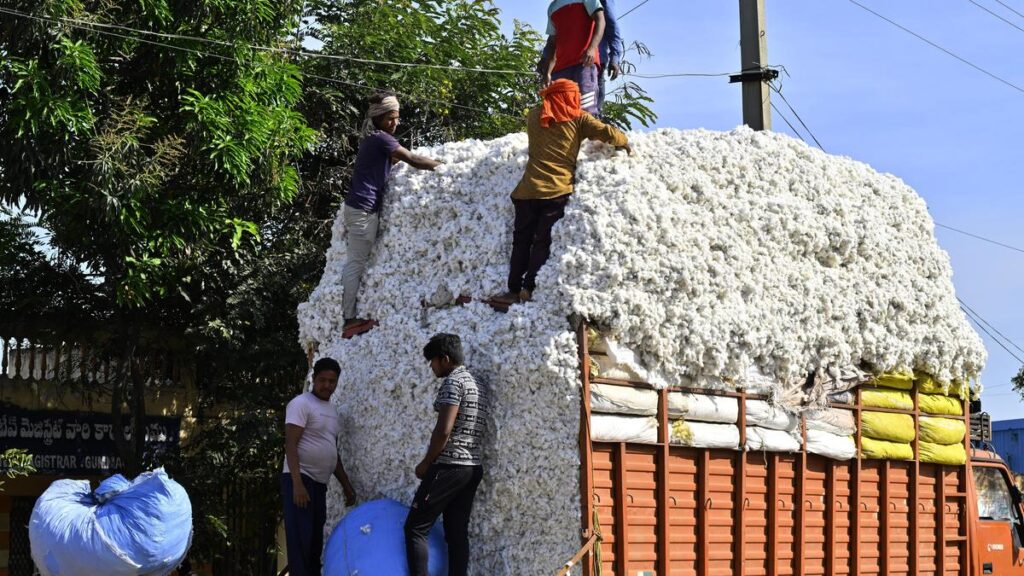
India may take middle path, unlikely to remove import duty on cotton - The HinduBusinessLine
Cotton Duty Drama: Whose Shirt Gets Cheaper?
Thousands of textile workers and millions of cotton farmers just heard the latest news out of Delhi, and it’s a mixed bag. For those dreaming of cheaper fabric and smoother exports, the relief isn’t coming. India’s government, after much deliberation, looks set to maintain the current 11% import duty on raw cotton. This isn’t just about economics; it’s about livelihoods, political promises, and the quiet tug-of-war between a powerful agricultural sector and an industry desperate for competitive prices. Your next piece of clothing, and the hands that made it, are caught right in the middle.
The textile industry, particularly in the south, has been practically screaming for the removal of this duty. They argue domestic cotton prices are too high, supply isn’t always reliable, and without cheaper imports, their products can’t compete globally. It’s a tough spot. Mills need a steady, affordable supply to keep machines humming and orders flowing. But the government, it seems, isn’t budging. The word from the capital suggests a “middle path” – which, in plain language, means largely sticking to the existing policy. This isn’t a surprise to anyone watching Indian politics; protecting farmers’ interests is almost always priority one, especially after a recent election cycle. The Ministry of Textiles has been pushing for relief, but the Ministry of Finance and other stakeholders are leaning towards supporting domestic cultivators. It’s a classic balancing act, and for now, the scales tip towards the fields.
Is AI Really The One To Blame Here?
Let’s be clear: this isn’t an algorithm messing with supply chains. This is a very human decision, drenched in political calculation and economic realities. The textile sector’s cry for cheaper cotton highlights a consistent challenge: how do you keep local agriculture viable while also allowing your manufacturing to be competitive on the world stage? The government’s reluctance to scrap the 11% import duty isn’t arbitrary. It’s a direct response to the powerful farming lobby. Removing the duty would depress domestic cotton prices, hitting farmers hard. With fluctuating yields and global price volatility, they need that protective barrier. The so-called “middle path” often means doing just enough to avoid upsetting too many powerful groups, which usually translates to keeping the status quo. It’s a pragmatic, if frustrating, approach for the industry players who just want to make a better margin.
The Atomic Answer:
India is likely to keep its 11% import duty on cotton, prioritizing farmer protection over industry demands for cheaper raw materials. This decision, emerging from government deliberations, aims to balance agricultural welfare with the textile sector’s need for competitive pricing and reliable supply, ultimately maintaining the status quo despite industry pleas.
What this really boils down to is a tough choice between two essential parts of India’s economy. On one side, you have millions of cotton farmers, their incomes directly tied to the price their crop fetches. On the other, a massive textile industry, employing even more people, that needs to compete with nations boasting lower raw material costs. The government’s stance suggests they won’t risk alienating the agricultural base, especially when farm policies often dictate electoral outcomes. So, while industry associations like SIMA keep pushing, it seems their hopes for immediate, sweeping relief are dashed. For now, the cotton duty stays, meaning textile mills will continue to navigate higher input costs, and consumers might just see that reflected in the prices of their clothes. It’s a nuanced economic dance, and sometimes, no change is the biggest news of all.





