
Textile Ministry moves to shield clusters from West Asia gas supply shocks - The HinduBusinessLine
Textile Towns Brace: Can India Fuel Its Fashion Future?
Imagine thousands of looms going silent. Picture dyeing units, usually bustling with vibrant colours, sitting cold. That’s the looming fear for countless families in India’s textile heartlands, from Tiruppur to Surat, where livelihoods depend on a steady flow of energy.
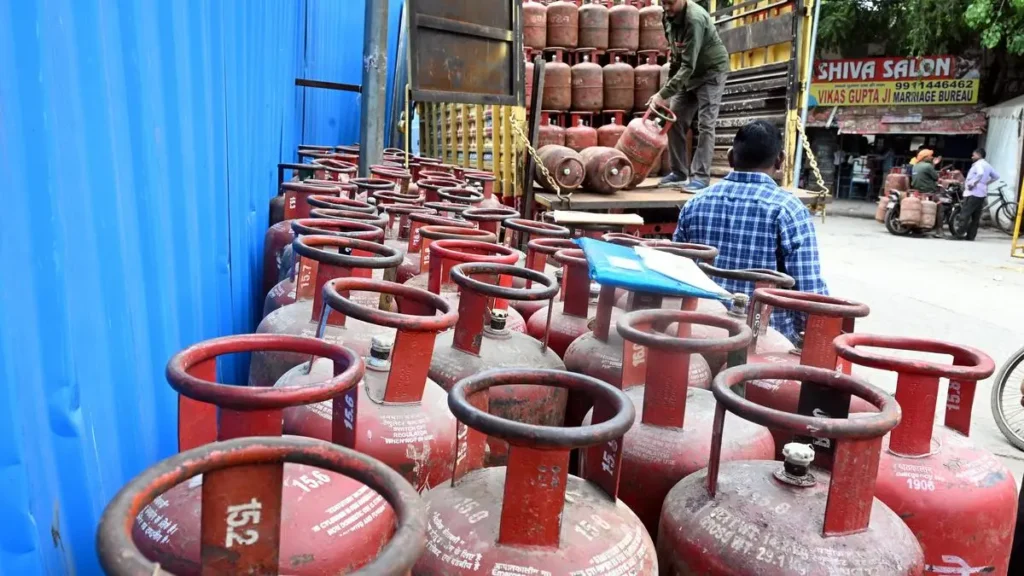
It’s not just a hypothetical threat. For months, geopolitical storms far from our shores have threatened to hit close to home. Specifically, disruptions in West Asia, like those in the Red Sea, directly impact India’s gas supply. Our textile industry, particularly the processing and dyeing sectors, relies heavily on this gas—it can make up to 40-50% of their energy costs. That’s a huge chunk of their operational budget. The Textile Ministry, to its credit, isn’t waiting for the worst. They’re actively developing a long-term energy strategy, working to shield these crucial manufacturing hubs from future shocks.
Is Green Energy the Fabric of Our Future?
This isn’t just about avoiding a crisis; it’s about seizing an opportunity. India wants to be a global manufacturing powerhouse, a top textile exporter. But you can’t genuinely compete if your basic energy needs are constantly at the mercy of distant conflicts or volatile global markets. The push towards alternative energy sources – think biomass, solar, wind, and even green hydrogen – isn’t just eco-friendly; it’s smart economics. It’s about building resilience, making our industries truly competitive, and ensuring job stability for millions. This strategic pivot could define India’s industrial independence for decades to come, moving beyond immediate fixes to foundational change. It’s a move that should have happened yesterday, but better late than never.
The Atomic Answer: The Indian Textile Ministry is developing a long-term energy security strategy to protect vital textile clusters like Tiruppur and Surat. This proactive step aims to reduce reliance on imported gas, vulnerable to West Asian geopolitical shocks. The goal: ensure stable production, safeguard livelihoods, and maintain India’s global export competitiveness.





