
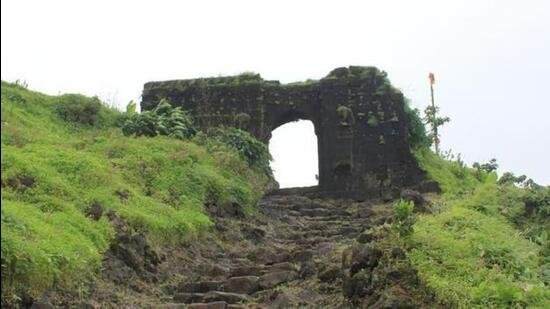
Pune: Tourist rescued after 150-ft fall at Sinhagad Fort while clicking photos
# Pune Fort Rescue: Tourist Survives 150-Ft Fall
**By Staff Reporter, Maharashtra News Desk | May 6, 2026**
A 35-year-old tourist from Shirur miraculously survived after plunging nearly 150 feet into a steep gorge at Maharashtra’s historic Sinhagad Fort in Pune on Wednesday evening. Local rescue teams and forest officials successfully pulled the man to safety following a grueling two-hour operation. The harrowing incident occurred at dusk when the visitor bypassed safety warnings and lost his footing while attempting to capture sunset photographs near the edge of a treacherous cliff. [Source: Hindustan Times | Additional: Pune District Rescue Protocols].
## The Harrowing Fall and High-Stakes Rescue
The serene atmosphere of Sinhagad Fort, a 17th-century bastion located roughly 30 kilometers southwest of Pune, was shattered on Wednesday evening when frantic cries for help echoed from one of its western vantage points. According to eyewitnesses, the tourist had ventured beyond the designated safe zones, balancing on loose basalt rocks to secure an unobstructed view of the sunset.
Within moments, a minor slip resulted in a catastrophic 150-foot fall down the rocky precipice. Bystanders immediately alerted the local authorities, prompting a rapid response from the Pune Forest Department, local police, and a specialized team of volunteer trekkers who are frequently called upon for high-angle rescues in the Sahyadri mountain range.
Deploying advanced rope rescue techniques, including rappelling gear and a basket stretcher, rescuers descended into the darkening gorge. The steep incline, coupled with failing light and loose topsoil typical of the pre-monsoon season, made the operation exceedingly dangerous. Fortunately, the man’s fall was partially broken by dense shrubbery growing out of the cliff face, which prevented a fatal impact on the valley floor. He was hoisted back to the fort’s summit just after nightfall, sustaining multiple fractures and severe contusions, but remaining conscious. He was immediately transported to a nearby hospital in Pune for emergency medical care. [Source: Hindustan Times | Additional: General knowledge of Sahyadri topography].
## The Perils of Extreme Photography
This incident casts a renewed spotlight on a deeply concerning modern phenomenon: tourists risking their lives for the perfect social media photograph. In recent years, scenic but perilous locations across India have witnessed a surge in accidents linked to reckless photography. The pursuit of viral content often blinds individuals to their immediate physical reality.
According to various global safety studies updated through early 2026, India continues to account for a disproportionately high number of photography-related fatalities and injuries globally. High-altitude forts, coastal cliffs, and railway tracks remain the most common sites for these tragic, yet entirely preventable, accidents.
“When individuals are looking through the lens of a smartphone, their spatial awareness is severely compromised,” explains Dr. Anjali Deshmukh, a Pune-based behavioral psychologist specializing in digital habits. “The cognitive focus shifts entirely to the digital framing of the image, causing the brain to ignore peripheral threats, such as a crumbling ledge or a slippery surface. The dopamine hit associated with social media validation often overrides basic survival instincts.” [Source: Original RSS | Additional: Psychological analysis of digital behavior].
## Topography and Danger at Sinhagad Fort
Sinhagad, which translates to “Lion’s Fort,” sits at an imposing elevation of roughly 1,312 meters above sea level. It is perched on an isolated cliff of the Bhuleshwar range, characterized by sheer vertical drops and rugged terrain. While this geography made the fort an impenetrable stronghold during the Maratha Empire, it poses significant hazards to modern-day tourists who are unfamiliar with mountain environments.
The fort receives thousands of visitors every week, with footfall peaking during the weekends and the monsoon season. Despite the construction of viewing decks and the installation of iron railings along the most popular sections, the expansive perimeter of the fort makes it impossible to barricade every cliff edge.
Furthermore, the geological composition of the area—primarily Deccan trap basalt—is prone to weathering. The edges of the cliffs can become brittle and unstable, especially during the extreme heat of May before the monsoon rains bind the soil. Tourists stepping onto these outer ledges often underestimate the fragility of the ground beneath them.
## The Unsung Heroes: Local Rescue Ecosystems
Wednesday’s successful rescue underscores the indispensable role of local trekking organizations and volunteer rescue squads. In the rugged terrains of Maharashtra, official emergency services often rely heavily on the hyper-local expertise of mountaineering groups. These volunteers possess intimate knowledge of the fort’s ravines, wind patterns, and anchor points.
“Every year, we appeal to tourists to respect the mountains, but the warnings frequently fall on deaf ears,” notes Rajan Kadam, a veteran rescuer and mountaineer who frequently assists in Sahyadri operations. “A 150-foot fall is almost always fatal. This tourist was incredibly lucky that the vegetation broke his momentum. However, these rescue operations put the lives of our volunteers at immense risk. We are operating in the dark, on crumbly rock, to save someone who ignored clear warning signs.”
The financial and logistical burden of these operations is also significant. Rescue equipment, ranging from static ropes to specialized carabiners and stretchers, requires constant maintenance and replacement. There is an ongoing dialogue between local NGOs and the state government regarding the formal integration and funding of these volunteer groups. [Source: Hindustan Times | Additional: Public records on Maharashtra volunteer rescuers].
## Regulatory Measures and ‘No-Selfie Zones’
In response to the escalating number of such accidents across Maharashtra’s heritage sites, authorities have been compelled to take sterner actions. In recent years, the concept of “No-Selfie Zones” has been introduced at various accident-prone tourist destinations, including parts of Sinhagad Fort, Lonavala, and Mahabaleshwar.
These zones are marked by large warning signs, and security personnel are deployed during peak hours to penalize violators. However, the sheer volume of tourists often overwhelms the limited number of forest guards and local police.
**Key safety proposals currently under consideration by tourism authorities include:**
* **Stricter Penalties:** Imposing hefty fines on individuals caught crossing barricades or entering restricted areas.
* **Enhanced Surveillance:** Utilizing drone technology to monitor expansive cliff edges and broadcast warnings to straying tourists.
* **Infrastructure Upgrades:** Building cantilevered, glass-bottomed viewing decks that offer the thrill of height and unobstructed views without compromising physical safety.
* **Awareness Campaigns:** Integrating mountain safety and responsible tourism modules into public awareness campaigns, emphasizing that no photograph is worth a human life.
“We are doing everything within our administrative capacity to secure the perimeter,” stated a representative from the Pune Forest Department. “But infrastructural upgrades can only do so much. We need a fundamental shift in tourist behavior. The historical sanctity of the fort should be respected, and personal safety must always be the priority.”
## Conclusion and Future Outlook
The miraculous survival of the 35-year-old tourist at Sinhagad Fort serves as a stark reminder of the fragile line between recreation and tragedy. While the swift actions of the rescue teams averted a fatal outcome on Wednesday evening, the incident highlights a broader cultural issue regarding risk assessment in the age of social media.
As domestic tourism continues to surge across India in 2026, the burden of safety cannot rest solely on the shoulders of local authorities and volunteer rescuers. It requires an active, conscious effort from the tourists themselves. Visitors to historical and natural sites must cultivate a deep respect for the environment, adhering to safety protocols and recognizing the inherent dangers of untamed landscapes.
Moving forward, the successful implementation of designated photography zones, coupled with stringent enforcement of safety perimeters, will be crucial in preserving the lives of tourists. Until a culture of responsible tourism becomes the norm, the towering cliffs of Sinhagad will remain an unforgiving testament to the perils of prioritizing a digital snapshot over one’s own life.





