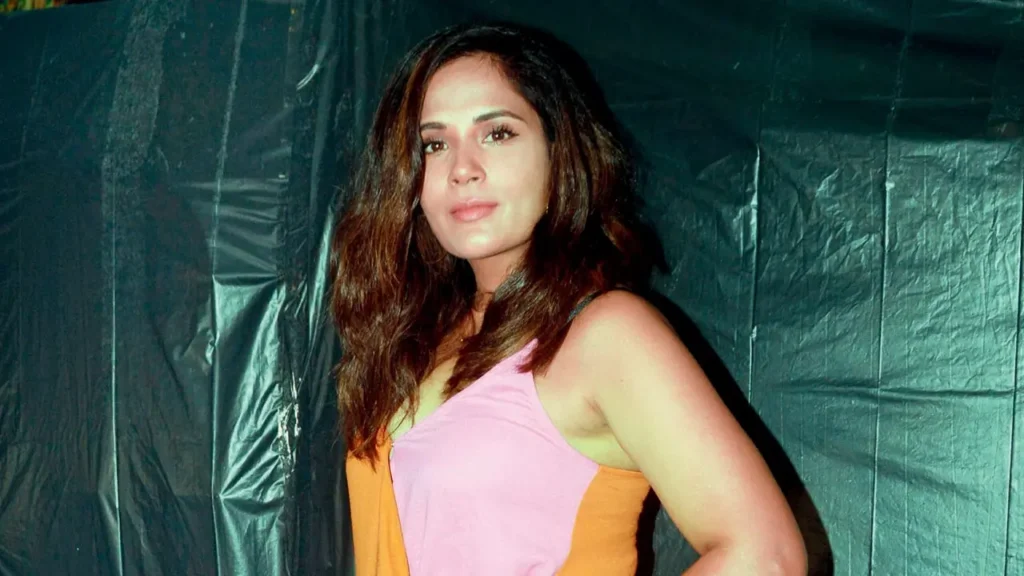
Richa Chadha questions why commercial actors are cast for indie films
Richa Chadha Challenges Bollywood’s Star System Unpacking Independent Film Hurdles Key Takeaways
Veteran actor Richa Chadha recently voiced a crucial concern within the Hindi film industry, questioning the pervasive reliance on a handful of top male actors for project approval and audience draw. Her observations, captured by Omni 360 News, highlight the structural challenges facing independent cinema and the lopsided power dynamics at play. This isn’t just about an actor’s personal view; it reflects a long-standing debate about the industry’s ecosystem, particularly how it impacts creative freedom and financial viability for non-mainstream productions.
Chadha wondered aloud why the entire industry often seems to halt, waiting for a nod or green light from perhaps just five leading male stars. In essence, she pointed to a system where a project’s fate—its funding, distribution, and even its perceived legitimacy—can often hinge on the involvement or approval of these commercially proven names. For a 12th standard student, imagine a school play where only if the five most popular students agree to be in it, will the play get funding and an audience. This dependency stifles opportunities for diverse narratives and emerging talent, creating a bottleneck where many promising stories struggle to find backing without a ‘big name’ attached. It suggests a lack of confidence in content-driven cinema to stand on its own merit without the traditional star power.
The actor further elaborated on the significant financial hurdle posed when considering commercial actors for indie films. Independent films, by their nature, operate on much tighter budgets compared to lavish studio productions. These films often prioritize strong narratives, artistic vision, and raw talent over commercial spectacle. Casting a well-known commercial actor, even if they align perfectly with a role, instantly creates a massive “hole in the budget.” Such actors command substantial fees, which an indie film simply cannot afford. Moreover, Chadha noted, casting a commercial actor doesn’t automatically guarantee audience turnout for an indie project. The expectation associated with a commercial star often comes with a certain genre or production scale, which might not align with an indie film’s artistic approach, potentially confusing or even disappointing their usual fanbase.
This exposes a fundamental paradox: independent cinema needs visibility, but the primary mechanism for visibility (star power) is financially out of reach and not inherently suited to its artistic goals. The dilemma forces indie filmmakers to either compromise their vision by opting for lesser-known (and often equally talented) actors, or endlessly struggle to secure funding, often without success.
Her statements resonate deeply within a segment of the industry that champions diverse storytelling and sustainable filmmaking practices. Local film community forums and specialized cinema news outlets frequently discuss these very issues – the struggle for independent films to break through the commercial dominance, the challenge of securing adequate funding, and the need for alternative distribution models. It’s a call for introspection: Can Bollywood evolve beyond its deeply ingrained star-driven model to foster a more equitable and artistically vibrant environment for all kinds of cinema?
Key Takeaways:
* The Hindi film industry’s over-reliance on a few top male actors can dictate which projects get made and funded, hindering diverse storytelling.
* Independent films face immense budgetary constraints, making it impossible to afford commercial actors who demand high fees.
* Casting commercial actors in indie films doesn’t automatically guarantee audience success, and can even misalign audience expectations.
* Richa Chadha’s observations underscore the need for a more sustainable and content-driven ecosystem that supports independent filmmakers and their unique narratives. This conversation is vital for the future growth and artistic integrity of Indian cinema.