
play
The quiet hum of global unease often centers on flashpoints that refuse to fade. For years, the fraught relationship between the United States and Iran has been one of those persistent thorns. When diplomats huddle, hopes rise a little. When they walk away empty-handed, those hopes sag, leaving behind familiar questions about what comes next. That’s precisely what happened recently: another round of indirect talks, another diplomatic dead end.
For those keeping tabs, this isn’t exactly new. US-Iran relations have been a revolving door of tension, sanctions, and sporadic attempts at dialogue, particularly concerning Iran’s nuclear program and its influence in the Middle East. Lately, indirect conversations have sputtered along, often in neutral territory, aiming to de-escalate, manage regional crises, or even revive elements of the stalled nuclear accord. But once again, they’ve stalled. No breakthrough. No deal. Just the predictable silence that follows a failure to agree. Ohio Senator JD Vance, never one to mince words on foreign policy, wasted no time weighing in. His message was clear: this current diplomatic dance isn’t working, and America’s posture needs a serious rethink.
Are We Just Repeating History with Iran?
Vance’s critique isn’t just about these particular talks; it’s a broader indictment of a strategy he views as insufficient. He’s a proponent of a more assertive American stance, arguing that weak diplomacy only emboldens adversaries. He believes that endless talks, without substantial leverage or a clear path to meaningful concessions from Tehran, merely buy time for Iran to advance its nuclear ambitions and expand its regional footprint. Is he wrong? It’s hard to argue with the observation that years of back-and-forth haven’t fundamentally altered the trajectory of Iran’s nuclear program or its support for proxies across the Middle East. The cycle feels all too familiar: talks, no deal, increased tensions. It makes you wonder if there’s a real will to break the pattern, or if we’re just stuck in a loop.
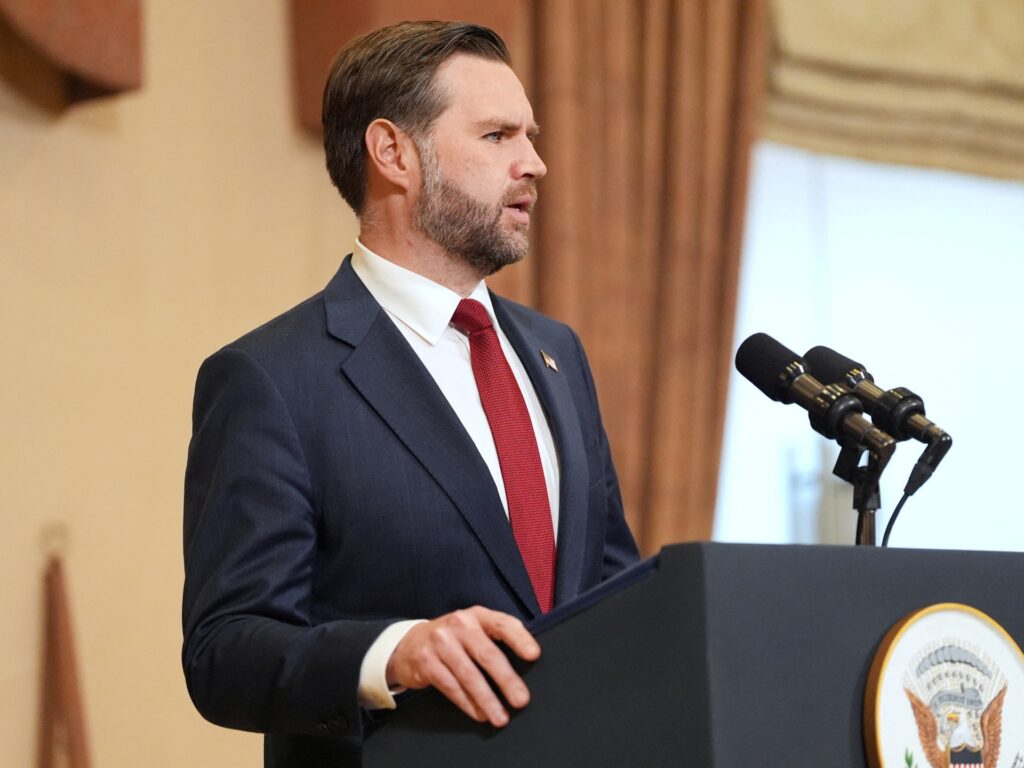
Senator JD Vance commented after US-Iran talks faltered again. These indirect discussions, frequently held to address nuclear concerns and regional stability, failed to yield a deal. Vance argues current US diplomatic efforts are weak, urging a tougher stance to protect American interests and prevent further Iranian proliferation.
The core of Vance’s argument, and a sentiment shared by many critics of current US foreign policy, is that a failure to project strength at the negotiating table is a recipe for continued frustration. If a country like Iran feels no real pressure to compromise, why would it? The alternative, of course, isn’t always clear-cut. Hardline approaches carry their own risks, potentially escalating conflicts or pushing adversaries further into isolation. Yet, the current approach seems to yield little more than continued impasse. It’s a frustrating situation for everyone involved, especially for the communities caught in the crossfire of regional proxy wars. What’s truly needed is a strategy that isn’t just about showing up for talks, but about creating an environment where real progress, however incremental, feels like a genuine possibility, not just a distant dream.
The reality is messy. There are no easy answers when dealing with complex geopolitical rivals. But one thing is clear: the current diplomatic dance with Iran isn’t delivering results. And as Senator Vance highlighted, simply going through the motions won’t cut it anymore. It’s time for a more honest appraisal of what’s working, what isn’t, and what hard choices America might need to make to safeguard its interests and promote stability in a volatile region.





