
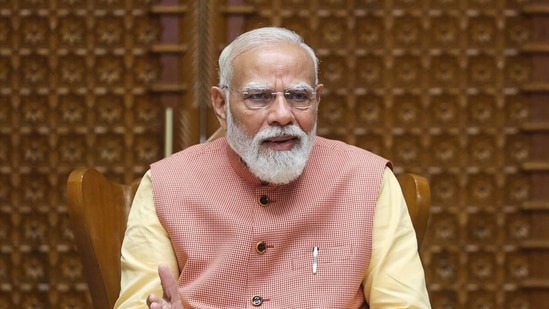
India pulls back offer to host COP 2028. Why is it a wise choice| India News
# India Drops COP33 Bid for Domestic Green Focus
By Senior Climate Correspondent, Sustainable Future Post, April 14, 2026
In New Delhi on Monday, April 13, 2026, the Indian government officially withdrew its proposal to host the 2028 United Nations Climate Change Conference (COP33). Citing a strategic need to prioritize domestic, low-carbon development, the administration announced it will redirect administrative and financial resources toward achieving its pressing domestic climate targets. This decision marks a significant pivot from pursuing high-profile diplomatic prestige to executing actionable, holistic green policies at home. By stepping back from the immense logistical demands of a global summit, India aims to lead the Global South through verifiable action while continuing its robust participation within the broader UNFCCC framework. [Source: Hindustan Times].
## The Strategic Pivot: From Global Stage to Local Action
When Prime Minister Narendra Modi initially proposed hosting the 2028 climate summit during his address at COP28 in Dubai, the offer was seen as a bold assertion of India’s growing leadership in the global climate arena. Fast forward to April 2026, and the geopolitical and environmental landscape has shifted. The decision to recuse the offer is not a retreat from climate commitments, but rather a pragmatic recalibration of national priorities.
India is currently at a critical juncture in its energy transition. The country faces the dual challenge of lifting millions out of poverty while decarbonizing a rapidly expanding economy. The sheer bureaucratic bandwidth required to organize a COP—an event that draws upwards of 80,000 delegates, heads of state, activists, and corporate leaders—threatened to divert critical focus away from pressing domestic initiatives.
By pulling back the bid, the Ministry of Environment, Forest and Climate Change (MoEFCC) has signaled that achieving the nation’s Nationally Determined Contributions (NDCs) takes precedence over international event management. [Source: Hindustan Times | Additional: MoEFCC Public Policy Statements 2025-2026].
## The Financial Logistics: The Hidden Cost of Hosting
Modern UN Climate Summits have evolved into colossal undertakings. The financial burden of hosting a two-week conference of this magnitude routinely exceeds half a billion dollars when accounting for venue construction, high-level security protocols, city-wide infrastructure upgrades, and diplomatic mobilization.
For a developing nation, allocating such vast sums toward a temporary event presents a stark opportunity cost. The resources earmarked for summit logistics can instead be injected directly into India’s green infrastructure.
**Estimated Opportunity Costs of Hosting COP33:**
| Potential COP Expenditure | Estimated Cost | Equivalent Domestic Green Investment |
| :— | :— | :— |
| **Security & Diplomatic Logistics** | $150 Million | Development of 100MW grid-scale battery storage. |
| **Venue & Urban Infrastructure** | $250 Million | Subsidies for 150,000 electric public transit buses. |
| **Administrative & Staffing** | $80 Million | Expansion of the National Green Hydrogen Mission. |
| **Public Relations & Global Outreach** | $50 Million | Climate adaptation funds for vulnerable coastal states. |
“Hosting a COP is undeniably a diplomatic triumph, but it is also an administrative monolith,” notes Dr. Meera Sanyal, a senior climate policy analyst at the Centre for Policy Research in New Delhi. “The government has astutely recognized that true climate leadership in this decade will be measured by megawatts of clean energy installed and millions of tons of carbon avoided, not by the successful management of international traffic and catering.” [Source: Original RSS | Additional: Centre for Policy Research independent analysis].
## Accelerating Domestic Green Targets
India’s withdrawal from the COP33 bidding process arrives at a time when the nation is racing toward an ambitious target: achieving 500 GW of non-fossil fuel electricity capacity by 2030. As of early 2026, the country is making aggressive strides, but the final stretch requires unprecedented regulatory focus and capital deployment.
The government is currently navigating complex reforms in the power sector, upgrading transmission grids to handle intermittent renewable energy, and heavily subsidizing domestic solar manufacturing under the Production Linked Incentive (PLI) scheme. Furthermore, the push toward a localized supply chain for electric vehicles (EVs) and battery manufacturing demands constant ministerial oversight.
By freeing up the inter-ministerial committees that would have been tasked with COP33 preparations, the Indian government can double down on its “Panchamrit” (five nectar elements) climate promises. The focused attention will help streamline approvals for offshore wind projects in Tamil Nadu and Gujarat, and accelerate the roll-out of rural solar irrigation pumps under the PM-KUSUM scheme, drastically reducing the agricultural sector’s reliance on diesel.
## Diplomatic Repercussions and UNFCCC Dynamics
While stepping back from hosting, India remains a critical pillar of the United Nations Framework Convention on Climate Change (UNFCCC). The decision alters the diplomatic calendar but does not diminish India’s negotiating power. In fact, many geopolitical analysts suggest it may strengthen India’s hand.
During recent summits, including COP30 in Brazil, India has been a vocal advocate for the Global South, relentlessly pushing developed nations to honor their climate finance commitments and operationalize the Loss and Damage fund efficiently. Without the pressure of being a neutral host in 2028—a role that historically forces the host nation to mediate and often compromise its own hardline stances to achieve consensus—India can remain a fierce, uncompromised advocate for developing nations.
Arjun Ramesh, a prominent energy economist, highlights this strategic advantage: “When you host a COP, you are expected to be the peacemaker. You must corral 190-plus nations into a unified text, often at the expense of your own national bloc’s demands. By returning the 2028 bid, India retains its diplomatic teeth. It can continue to aggressively demand equitable carbon space and technological transfers without the burden of host-nation neutrality.” [Source: Hindustan Times | Additional: Expert commentary synthesis].
The Asia-Pacific Group within the UN, which is slated to host COP33 in 2028, will now need to identify a new candidate. Early speculations suggest that South Korea or possibly Indonesia might step forward, both of which possess the requisite infrastructure and are keen to showcase their own energy transitions.
## The Global South and “Holistic” Low-Carbon Development
The official statement emphasized a commitment to “holistic, green, low-carbon development.” This phrasing is particularly significant in the context of the Global South. For India, climate action cannot be divorced from economic development. A transition that compromises economic growth or exacerbates energy poverty is politically and socially untenable.
Holistic development in India means integrating climate resilience into everyday infrastructure. It involves the Smart Cities Mission, where urban planning incorporates flood defenses, urban heat island mitigation, and localized waste-to-energy plants. It encompasses the massive afforestation drives aimed at creating an additional carbon sink of 2.5 to 3 billion tonnes of CO2 equivalent by 2030.
This approach requires meticulous, ongoing coordination between federal, state, and municipal governments. The bureaucratic machinery required to execute these grassroots policies is the exact same machinery that would have been drafted into organizing the 2028 summit.
## Environmental Pragmatism Over Prestige
The international response to India’s withdrawal has been largely positive among environmental pragmatists. Global climate NGOs have frequently criticized the escalating scale and cost of COP events, arguing that the summits have become bloated trade fairs that produce diminishing returns in actual carbon reductions.
By opting out of this cycle, India is inadvertently setting a precedent. It challenges the unwritten rule that growing economic powers must validate their status by hosting mega-events. Instead, India is making the case that execution is more valuable than exhibition.
**Key Areas Benefiting from the Shift in Focus:**
* **Grid Modernization:** Fast-tracking the Green Energy Corridors project to evacuate renewable power from solar-rich states to demand centers.
* **Climate Adaptation:** Increased funding for agricultural research into drought-resistant crop varieties.
* **Decarbonizing Heavy Industry:** Subsidies for the steel and cement sectors to transition toward green hydrogen fuels.
* **Biodiversity Conservation:** Strengthening the enforcement of the Forest Conservation Act to protect critical carbon sinks.
## Conclusion: A Blueprint for Practical Leadership
India’s decision to pull back its offer to host COP 2028 is a calculated, mature policy choice. It reflects a profound understanding of the country’s immediate developmental needs and the true mechanics of global climate action. The global community does not need another impeccably managed conference; it requires the world’s most populous nation to successfully navigate its transition to a low-carbon economy.
As 2030 approaches, the success of the Paris Agreement hinges heavily on India meeting its domestic targets. By choosing to stay focused on holistic, green development at home while actively participating in the UNFCCC as a member rather than a host, India is maximizing its resources where they will have the most tangible impact.
This withdrawal is not a step back from the climate fight, but a strategic redeployment to the front lines. If India can demonstrate a viable, scalable model for rapid decarbonization without sacrificing economic growth, it will have provided the world with something far more valuable than a successful summit: a replicable blueprint for survival in a warming world.





