
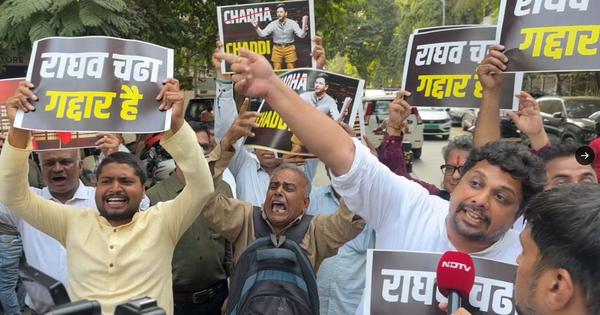
Mumbai: FIR against 7 AAP leaders for protesting against Raghav Chadha, six MPs’ merger with BJP
Political Firestorm: Mumbai Police Target AAP Protestors
Free speech just got a bit tougher in Mumbai. This week, seven leaders from the Aam Aadmi Party found themselves on the wrong side of the law, not for violence or disruption, but for raising their voices. They were protesting what they claim is the BJP’s brazen attempt to lure away their elected representatives. A First Information Report – an FIR – now hangs over their heads, a stark reminder that even political dissent can carry a heavy cost.
It all unfolded recently outside the BJP’s office in Mumbai. The AAP contingent was there for one reason: to call out what they see as a shameful tactic. Their party has loudly accused the Bharatiya Janata Party of trying to poach at least six of its Lok Sabha MPs, allegedly offering a whopping ₹25 crore to each for switching sides. Sounds like a drama straight out of a political thriller, doesn’t it? The Aam Aadmi Party’s national convenor, Arvind Kejriwal, even suggested figures like Rajya Sabha MP Raghav Chadha and MLA Atishi were approached. The Mumbai police, however, weren’t impressed by the theatrics. They say the protesters didn’t have permission to assemble. So, Ruben Mascarenhas, Preeti Sharma Menon, Dhiraj Chaddha, Yogesh Jhadav, Sandeep Katke, Sanjay Gaikwad, and Asif Patel now face charges. These aren’t minor parking tickets. We’re talking unlawful assembly and obstructing traffic.
When Does Protest Become a Problem?
This isn’t just about seven individuals or one political party. It’s about the very fabric of our democracy and the public’s right to hold power accountable. When opposition leaders are booked for expressing dissent – even if permissions weren’t sought for a spontaneous response to serious allegations – it sends a chilling message. Are we really saying that protesting alleged horse-trading, a practice that fundamentally undermines electoral mandates and public trust, is more criminal than the alleged act itself? It feels like the state machinery is quicker to crack down on the messengers than to investigate the substance of the message. Such actions only breed distrust, making ordinary citizens wonder if their cherished rights to assembly and free speech truly matter in today’s political climate. It’s a deeply concerning state of affairs when raising legitimate questions about political integrity and ethical conduct lands you in legal trouble. This incident serves as a stark reminder of the delicate balance between maintaining public order and protecting the fundamental right to protest.
Seven AAP leaders in Mumbai face an FIR after protesting outside the BJP office. Their demonstration targeted the BJP’s alleged attempts to poach six AAP Lok Sabha MPs through monetary inducements. Police cited unlawful assembly and traffic obstruction as grounds for the charges, sparking debate over the right to political dissent.
Ultimately, this episode isn’t just a legal skirmish; it’s a symptom of a larger problem. When political discourse devolves into allegations of cash-for-defections and subsequent arrests for protesting those very allegations, we’re all poorer for it. It demands introspection from all sides, especially those in power. Protecting democratic norms means upholding the right to question, to challenge, and yes, to protest loudly when necessary. Because a quiet democracy is rarely a healthy one.





