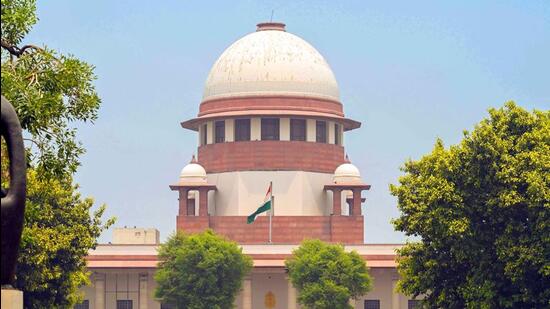
SC launches mega settlement initiative for faster justice| India News
# SC Mega Settlement Drive for Swift Justice
On April 21, 2026, the Supreme Court of India officially launched a nationwide “mega settlement initiative” designed to drastically reduce the country’s towering judicial backlog and deliver faster justice. Operating over a four-month window, the landmark program allows litigating parties to register and actively attempt out-of-court resolutions. Driven by the urgent need to unclog the legal system, this intensive campaign integrates mediation and conciliation frameworks to expedite long-pending civil, commercial, and family disputes. The move marks a historic, systemic shift toward restorative and collaborative judicial processes across the nation. [Source: Hindustan Times | Additional: Legal Insight Research]
## The Weight of Pendency: A Systemic Judicial Crisis
The Indian judicial system has long been celebrated for its robust constitutional jurisprudence, but it has simultaneously struggled beneath the crushing weight of case pendency. Entering 2026, data from the National Judicial Data Grid (NJDG) highlighted that tens of millions of cases remained pending across district courts, High Courts, and the Supreme Court. This staggering backlog is not merely a bureaucratic statistic; it represents delayed justice, frozen capital, and prolonged emotional distress for ordinary citizens.
The mega settlement initiative is a direct response to this chronic issue. By shifting the focus from adversarial litigation to collaborative resolution, the Supreme Court acknowledges that traditional courtroom proceedings—with their myriad appeals, cross-examinations, and procedural delays—are not always the most efficient route for dispute resolution. The newly launched program identifies that an estimated 30% of pending cases, particularly minor civil disputes and compoundable offenses, are highly amenable to settlement if the parties are provided a structured, non-hostile environment to negotiate. [Source: Hindustan Times | Additional: National Judicial Data Grid Reports 2026]
## Blueprint of the Four-Month Resolution Campaign
The mechanics of the mega settlement initiative, which officially commenced on April 21, are meticulously structured to maximize participation and ensure administrative efficiency. Running for precisely four months, the campaign offers a finite, high-priority window for litigants to opt-in.
Parties involved in pending litigation at any judicial level can register through a dedicated online portal or at specialized physical kiosks set up in district court complexes across the country. Once registered, cases are assessed and assigned to trained mediators, conciliators, or specialized Lok Adalat benches.
**Key Features of the Initiative Include:**
* **Voluntary Registration:** The process requires mutual consent, ensuring that only parties genuinely interested in a compromise enter the pipeline.
* **Fee Waivers and Refunds:** To incentivize participation, the program incorporates provisions for the partial or full refund of court fees for cases successfully resolved during this four-month window.
* **Time-Bound Proceedings:** Mediators are given strict timelines to facilitate discussions, ensuring the process does not turn into yet another drawn-out legal procedure.
* **Binding Outcomes:** Settlements reached under this initiative are drafted into legally binding decrees, significantly limiting the scope for future appeals and ensuring finality.
## Empowering Alternative Dispute Resolution (ADR)
At the heart of the Supreme Court’s latest drive is the empowerment of Alternative Dispute Resolution (ADR) mechanisms. For decades, ADR was often viewed as a secondary or supplementary option rather than a primary vehicle for justice. However, with the maturation of the Mediation Act enacted in recent years, the legal framework supporting out-of-court settlements has been significantly strengthened.
“We are witnessing a paradigm shift in Indian jurisprudence,” noted Dr. Rajeshwari Menon, a Senior Advocate and ADR specialist based in New Delhi. “The Supreme Court’s initiative transitions mediation from the periphery to the very center of dispute resolution. By dedicating a concentrated four-month period exclusively to settlements, the judiciary is signaling that compromise is not a weakness, but a sophisticated, efficient, and legally sound method of achieving justice.”
The National Legal Services Authority (NALSA), alongside State and District Legal Services Authorities (SLSAs and DLSAs), has been mobilized as the primary ground-level executor of this mandate. Thousands of retired judges, senior advocates, and certified mediators have been rostered to handle the anticipated surge in registrations. [Source: Hindustan Times | Additional: Expert Legal Commentary]
## Targeted Dispute Categories
While the initiative is broad in its scope, the Supreme Court has strategically identified specific categories of cases that historically yield the highest success rates in mediation. By targeting these specific bottlenecks, the judiciary aims to free up court dockets for complex constitutional, criminal, and high-stakes commercial matters.
**1. Motor Accident Claim Petitions (MACP):**
Accident compensation claims often languish in courts for years, depriving victims and their families of vital financial support. Insurance companies and claimants are being strongly encouraged to use this four-month window to negotiate fair, immediate payouts.
**2. Negotiable Instruments Act (Section 138):**
Cheque bounce cases constitute a massive portion of the judicial backlog. The settlement drive provides a platform for debtors and creditors to agree on repayment schedules without enduring years of criminal trial proceedings.
**3. Matrimonial and Family Disputes:**
Divorce proceedings, alimony disputes, and child custody battles are emotionally draining and notoriously prolonged. The mediation-first approach of the settlement drive seeks to resolve these delicate issues with empathy, privacy, and speed.
## Technological Backbone: E-Courts and ODR
A critical factor distinguishing this 2026 initiative from previous Lok Adalats is the heavy integration of technology. The Supreme Court is leveraging the infrastructure developed under Phase III of the e-Courts project to facilitate Online Dispute Resolution (ODR).
For parties residing in different cities or those unable to travel to physical courts, the settlement drive offers secure virtual hearing rooms. Furthermore, the judiciary is utilizing Artificial Intelligence (AI) tools to scan the National Judicial Data Grid. These AI algorithms identify cases that fit the profile for successful mediation based on historical data—such as case age, dispute type, and previous interim orders—and automatically send SMS and email invitations to the litigants, prompting them to register for the initiative.
“The fusion of ODR and traditional mediation is the game-changer here,” explains technological law expert Vikram Desai. “In previous years, the sheer logistics of bringing two warring parties into the same physical room was a hurdle. Today, a secure video link and an AI-driven scheduling system remove the geographical and administrative friction from the settlement process.” [Source: Hindustan Times | Additional: Ministry of Law and Justice e-Committee Public Reports]
## Economic and Social Implications of Fast-Track Justice
The impact of this four-month drive extends far beyond the walls of the courtroom; it has profound economic and social implications. Legal economists estimate that millions of dollars in capital are currently locked up in pending commercial disputes, property litigations, and contractual disagreements.
By aggressively settling these disputes, the initiative promises to release vital capital back into the economy. Small and Medium Enterprises (SMEs), which often suffer the most from prolonged litigation due to their limited financial runways, stand to benefit immensely from swift, mediated outcomes.
On a social level, the reduction of legal pendency translates to a reduction in societal stress. Prolonged litigation often exacerbates generational family feuds and degrades community trust. A successful settlement drive fosters a culture of mutual agreement and social cohesion, aligning with the broader constitutional goal of accessible and humane justice.
## Potential Challenges and the Path Forward
Despite the optimism surrounding the launch, the execution of a nationwide mega settlement initiative is fraught with challenges. The primary hurdle lies in the mindset of the legal fraternity and the litigants themselves. Indian legal culture has historically been highly adversarial. Convincing lawyers to actively encourage their clients to settle—potentially foregoing years of legal fees—requires a substantial ethical and professional shift.
To counter this, Bar Councils across various states have been roped in to conduct awareness campaigns, emphasizing that an efficient, high-turnover legal practice based on swift resolutions can be just as financially viable as prolonged litigation.
Another challenge is ensuring the quality of mediation. With hundreds of thousands of cases expected to be registered between April and August, there is a risk of the process becoming an administrative assembly line, where parties feel pressured to settle out of fatigue rather than genuine agreement. The Supreme Court has issued strict guidelines to NALSA to ensure that all mediators maintain neutrality and that no coercive tactics are employed during the resolution attempts.
## Conclusion: A Litmus Test for Indian Judicial Reform
As the four-month mega settlement initiative officially rolls out following its April 21 commencement, all eyes are on the judiciary’s ability to execute this ambitious blueprint. If successful, this program could drastically shave off a significant percentage of the national case backlog, setting a precedent for annual or biannual settlement drives.
More importantly, it aims to restore the common citizen’s faith in the legal system. Justice delayed is famously justice denied, but through proactive mediation, technological integration, and a focus on restorative outcomes, the Supreme Court is demonstrating a concrete commitment to ensuring that justice is not only done but is done swiftly and collaboratively. The coming months will serve as a crucial litmus test for the future of Alternative Dispute Resolution in India.
***
**By Senior Legal Correspondent, Legal Affairs Desk, April 22, 2026**